Technology
Pixi launches AR messaging app with AI characters in iMessage
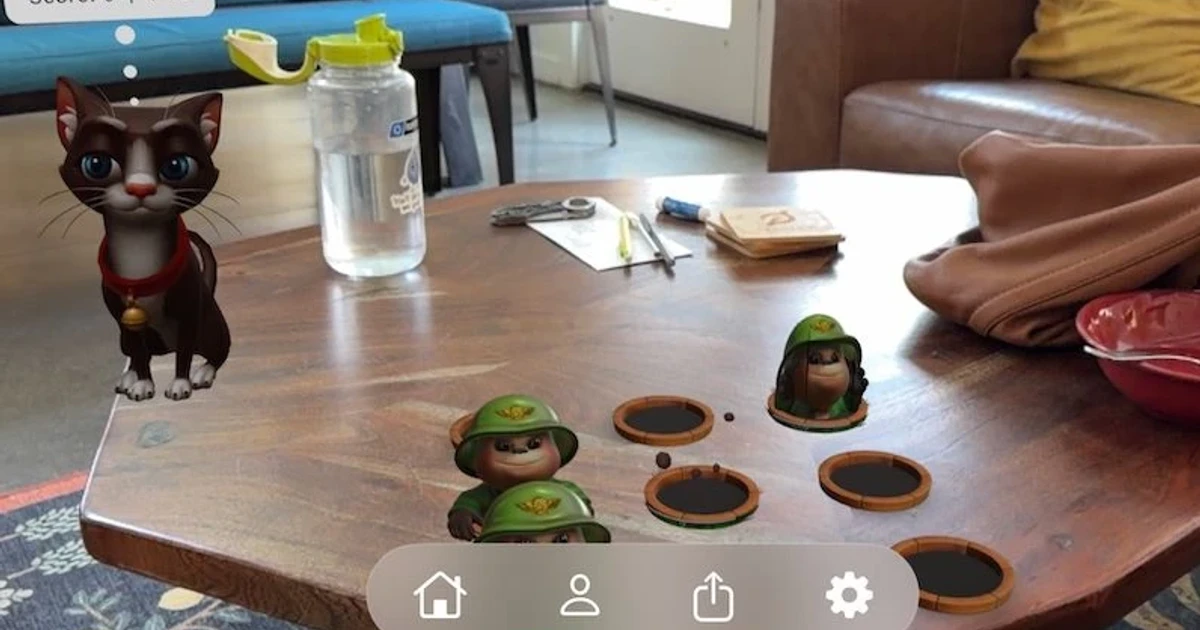
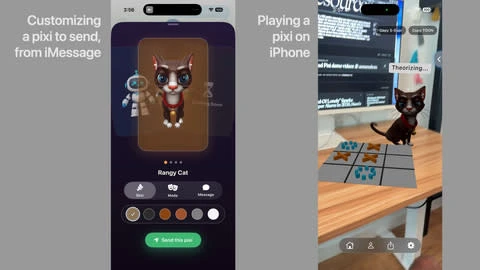
Pixi bet that iMessage can become a stage, not just a delivery system. The Bend, Oregon startup launched a messaging-native iOS app on June 18, letting people send AI-powered augmented reality characters that come alive through the recipient’s iPhone camera, react to surroundings, and answer in real time.
Pixi Platforms called the product a way to create personal interactive augmented reality performances for friends and family, describing it as “agentic media” that blends messaging, gaming, AR, and AI. The company said the characters are meant to feel less like a file attachment and more like a digital gift, with examples that include a cat, a robot, and licensed IP. Pixi said visual and audio processing stays on-device to preserve privacy, a choice that could matter to parents, younger users, and anyone wary of letting camera-based AI process personal spaces off the phone.
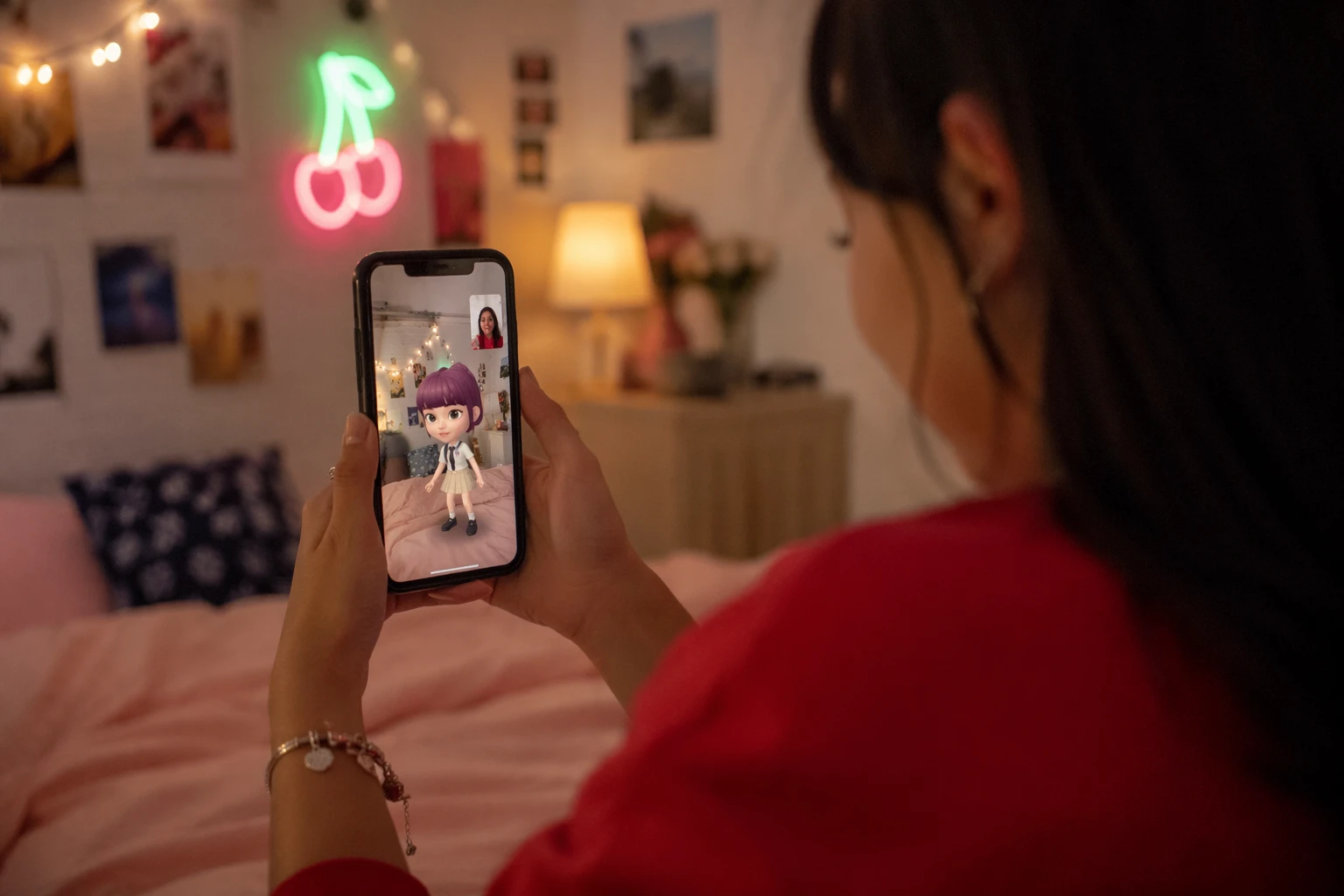
At the center of the launch is Mark Drummond, Pixi’s founder and chief executive. Drummond previously worked at Apple and DreamWorks Animation, and one account said he left Apple in 2023 and spent about two and a half years building Pixi for iPhone. PitchBook lists Pixi as founded in 2023 and backed by venture capital, with a very small team in Bend.
The product enters a messaging environment already crowded with expressive tools. Apple Messages already supports stickers, Memoji, GIFs, polls, Tapbacks, and iMessage apps, while Quick Look in Messages can display USDZ 3D objects in AR. That means Pixi is not introducing AR into a blank space; it is trying to convince users that an interactive character is more compelling than the features they already tap every day.
Apple’s 2026 update to App Store age ratings adds another layer of significance for an app built around camera-driven, AI-assisted characters. More granular age categories and updated developer questionnaires suggest a tighter scrutiny environment for apps that blur play, identity, and real-world interaction, especially when those apps live inside a family communication tool.
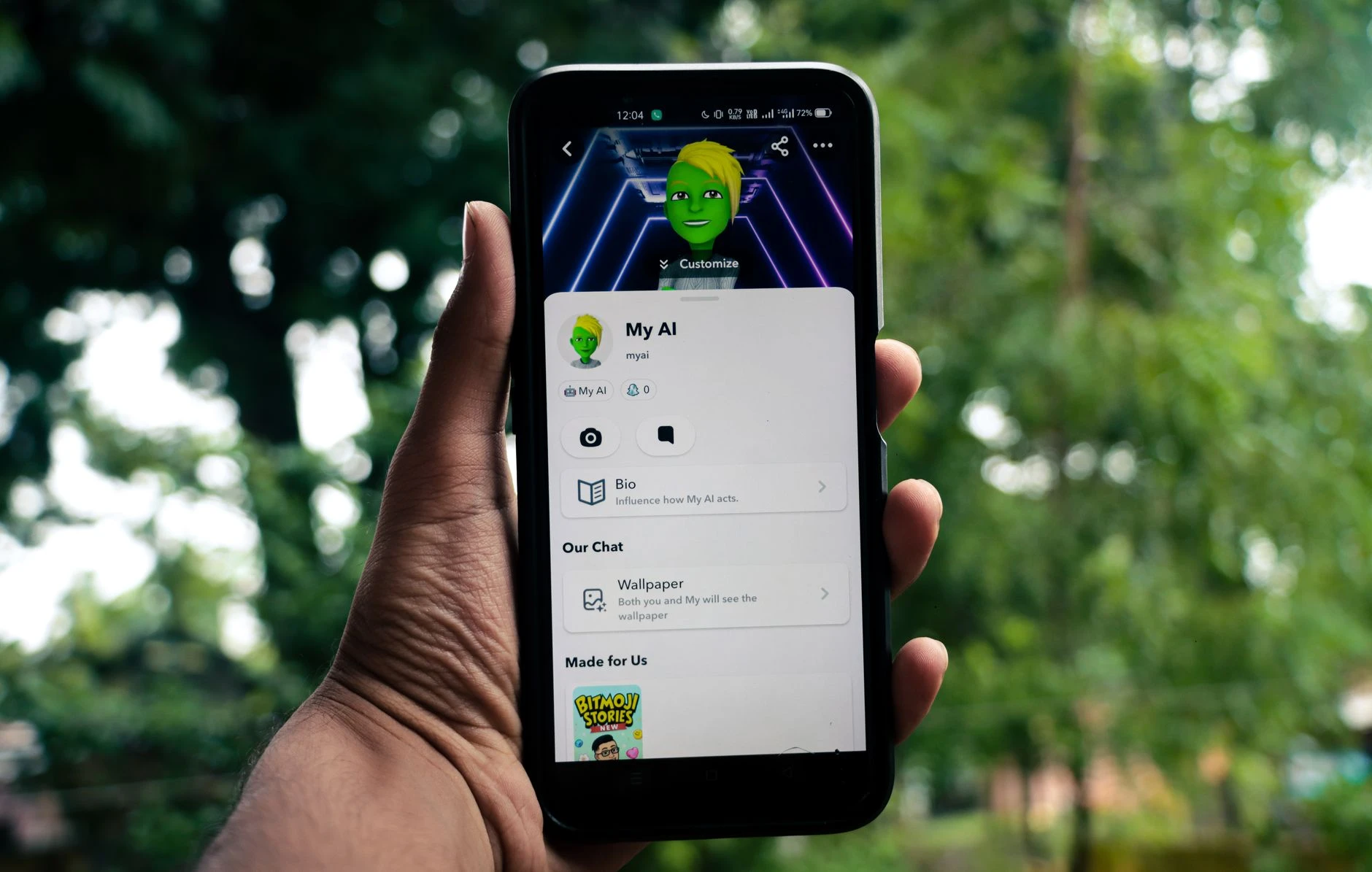
The broader bet is familiar. Snap spent years normalizing camera-based filters and lenses, but Pixi is arguing for something more ambitious: AR that does not sit on top of messaging as a novelty, but behaves like part of the conversation itself. Whether users treat that as a playful one-off or a habit will decide whether Pixi becomes a new language for messaging or another reminder that consumer AR is easy to demo and much harder to make routine.