World
Planet Labs Halts Iran War Satellite Imagery Indefinitely
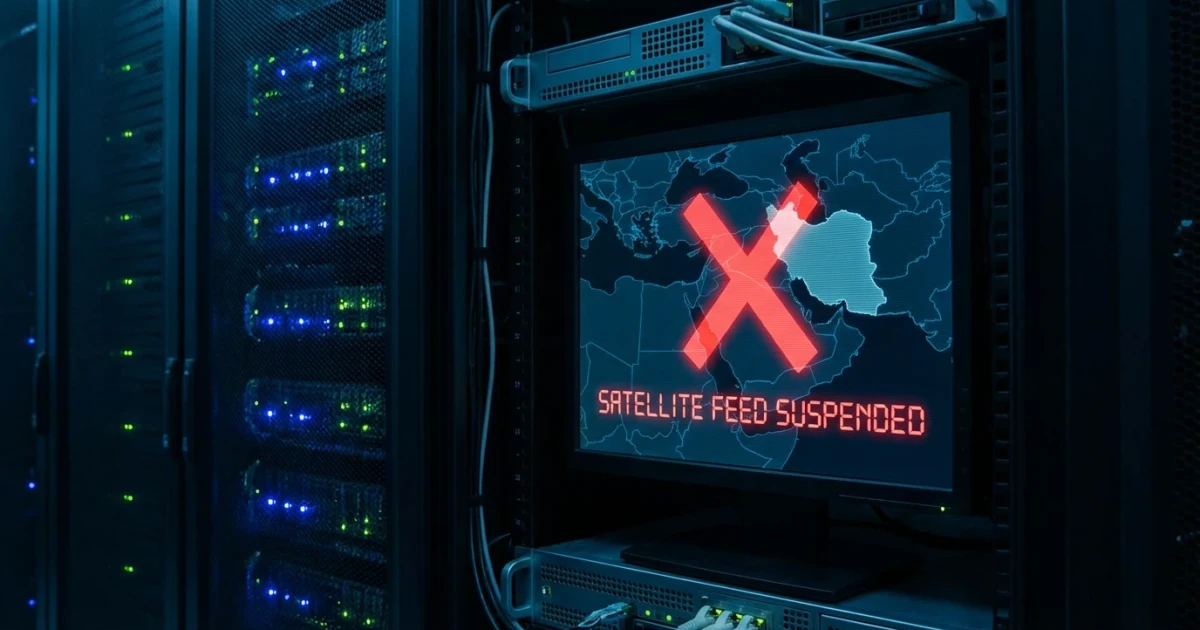
Planet Labs, a leading U.S.-based commercial satellite imagery provider, has announced it will indefinitely withhold satellite images related to the ongoing war in Iran. The decision, first reported by Reuters and echoed by other outlets, marks a significant shift in the accessibility of open-source intelligence for governments, researchers, and the general public during a major international conflict.
Background on the Imagery Blackout
Planet Labs operates one of the world’s most extensive fleets of Earth-observing satellites, capturing high-resolution images that are used for purposes ranging from environmental monitoring to conflict analysis. The firm’s announcement to enact an imagery blackout over Iran during the ongoing war comes amid increasing scrutiny and regulatory pressure from the U.S. government. Reuters noted that the company’s decision appears to align with efforts by U.S. authorities to restrict the dissemination of sensitive imagery that could impact national security or diplomatic interests.
While Planet Labs’ satellite imagery products have traditionally been available to a broad range of customers, including news media and humanitarian organizations, the new blackout policy will bar access to both real-time and historical images covering the war zone in Iran for an unspecified period.
Implications for Transparency and Open-Source Intelligence
The move to restrict imagery raises concerns about the ability of independent analysts, journalists, and humanitarian groups to verify events and monitor developments on the ground. Open-source intelligence (OSINT) has become an increasingly important tool in recent conflicts, providing visual evidence to corroborate claims and counter misinformation.
- Planet Labs’ data is widely used by civil society and international organizations to track troop movements, document infrastructure damage, and assess humanitarian needs.
- Withholding imagery could hinder efforts to conduct independent assessments or respond to potential human rights violations.
- This blackout is part of a broader trend of governments and companies imposing restrictions on satellite data in sensitive regions, as seen previously in conflict zones such as Ukraine and Gaza.
According to commercial satellite imagery policy experts, U.S. law allows the government to direct American providers to restrict the sale or dissemination of certain data if deemed necessary for national security. The duration and scope of the Iran blackout remain unclear, with Planet Labs not disclosing specific criteria for resuming service.
Global and Industry Reactions
The blackout has sparked debate in the geospatial community and among advocates for transparency. Some analysts argue that restricting access could set a precedent for broader censorship of geospatial data during conflicts, potentially limiting the effectiveness of independent monitoring efforts. Others point to the need for balancing public interest with security concerns, especially when imagery could be weaponized or used to escalate hostilities.
For those seeking broader access to satellite data, alternative imagery sources from NASA Earthdata and other international providers may remain available, though coverage and resolution can vary. Similarly, agencies like the UNOSAT program continue to offer geospatial analysis for humanitarian purposes, but may face their own restrictions depending on provider policies and national regulations.
Looking Ahead
The indefinite halt of Planet Labs’ Iran war imagery underscores the growing tension between commercial satellite operators, government regulators, and end users over the availability of critical geospatial data during crises. As conflicts evolve and reliance on satellite intelligence grows, questions remain about how transparency, accountability, and security can be balanced in an era of rapid technological change.
Stakeholders across sectors will be watching closely to see whether other commercial providers follow suit and how policymakers address the challenge of maintaining open access to information while managing strategic risks. For now, the blackout signals a major shift in how the world sees—and understands—conflict from above.