Health
Planned Parenthood regains Medicaid billing after yearlong funding ban ends
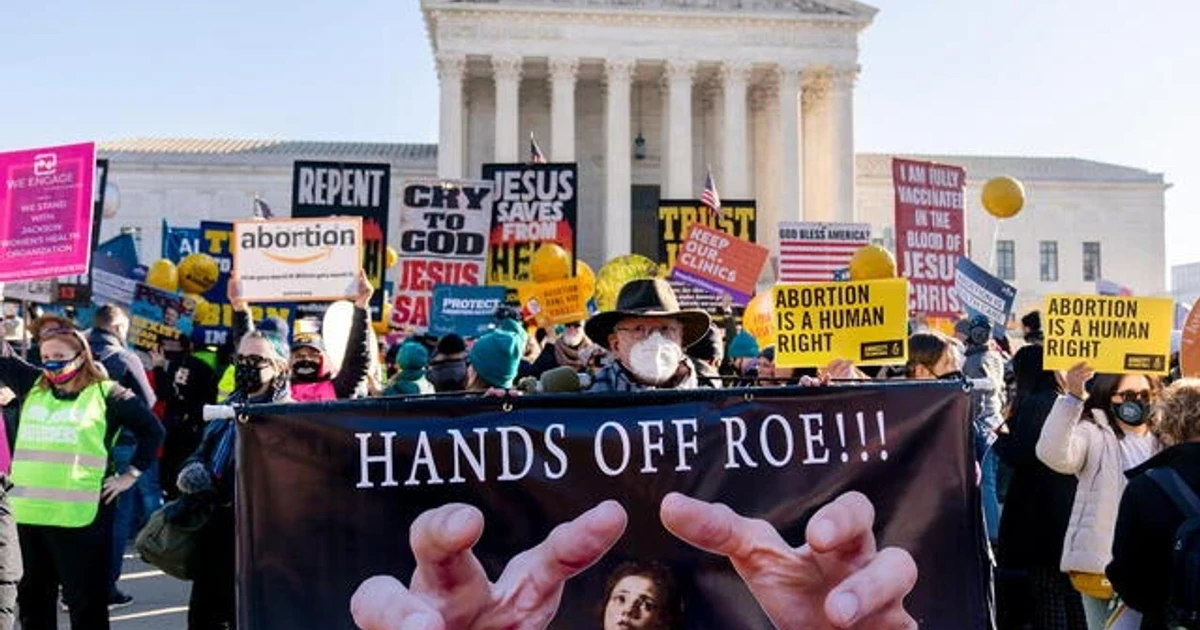
Planned Parenthood and two smaller regional providers regained the ability to bill Medicaid for care other than abortion after the federal funding ban expired, restoring a major revenue stream for preventive services that low-income patients use for routine visits, cancer screening and contraception.
The restriction, written into Section 71113 of the 2025 federal budget reconciliation law signed by Donald Trump, had cut off Medicaid reimbursements for a wide range of care nationwide. By Sunday, July 6, billing had resumed, but the damage from the almost yearlong cutoff was already visible in clinic closures, leaner staffing and lower patient volume.
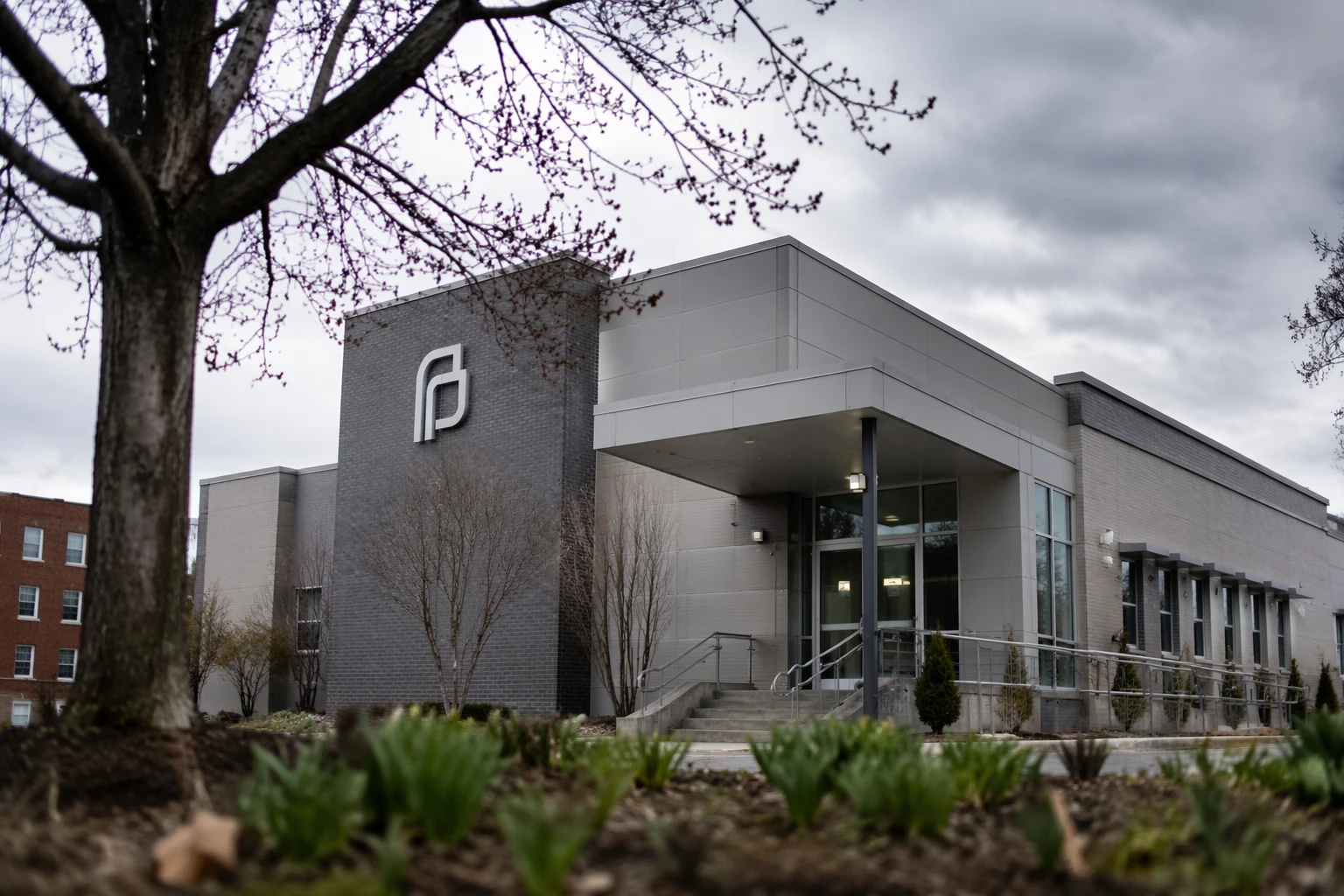
Planned Parenthood affiliates closed nearly 30 of roughly 600 clinics over the past year, and the organization said it dispensed about 25 percent fewer birth-control pill packs and performed about 20 percent fewer breast cancer exams than the year before. The interruption also meant fewer patients were screened for sexually transmitted infections, a loss that hit communities where Planned Parenthood and similar providers often fill basic primary care gaps.
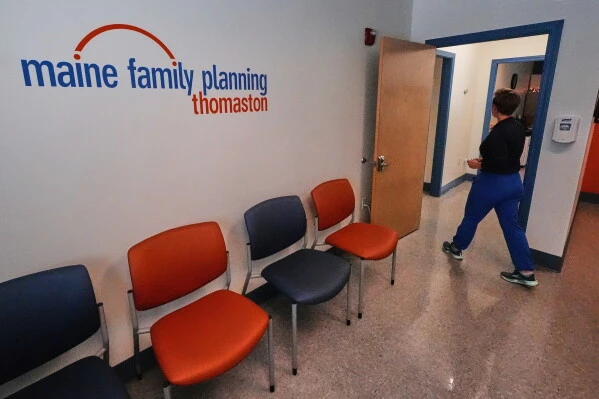
The federal ban did not affect abortion alone. It reached Planned Parenthood, Health Imperatives in Massachusetts and Maine Family Planning, limiting Medicaid payment for patients who sought non-abortion services at those sites. KFF said the 2025 Title X family-planning program also withheld grant payments to 144 Planned Parenthood sites in 20 states, adding another financial squeeze on a network already under pressure.
The funding fight moved through both Congress and the courts. The Supreme Court’s June 26, 2025, decision in Medina v. Planned Parenthood South Atlantic allowed state Medicaid programs to disqualify Planned Parenthood clinics from their networks of participating providers, and at least 11 states used state-only funds or executive action to try to cushion the losses. In Wisconsin and Arizona, affiliates took different steps to keep services running or regain reimbursement, while Indiana’s Planned Parenthood affiliate still faces state Medicaid restrictions despite the federal cutoff ending. Missouri law continues to bar Planned Parenthood from Medicaid reimbursement for any care.
Planned Parenthood said 51 health centers closed in 2025 across 18 states, and nearly three quarters of those closures were in underserved areas, primary care health professional shortage areas or rural communities. The restored federal billing should reopen some access immediately, but states that kept their own restrictions in place will continue to decide whether patients can use Medicaid at Planned Parenthood locally.
Sources
- [1]usnews.com
- [2]kff.org
- [3]plannedparenthoodaction.org
- [4]wfyi.org
- [5]ksmu.org
- [6]politico.com
- [7]npr.org