Health
Plant aroma compounds show promise for chronic pain relief without high
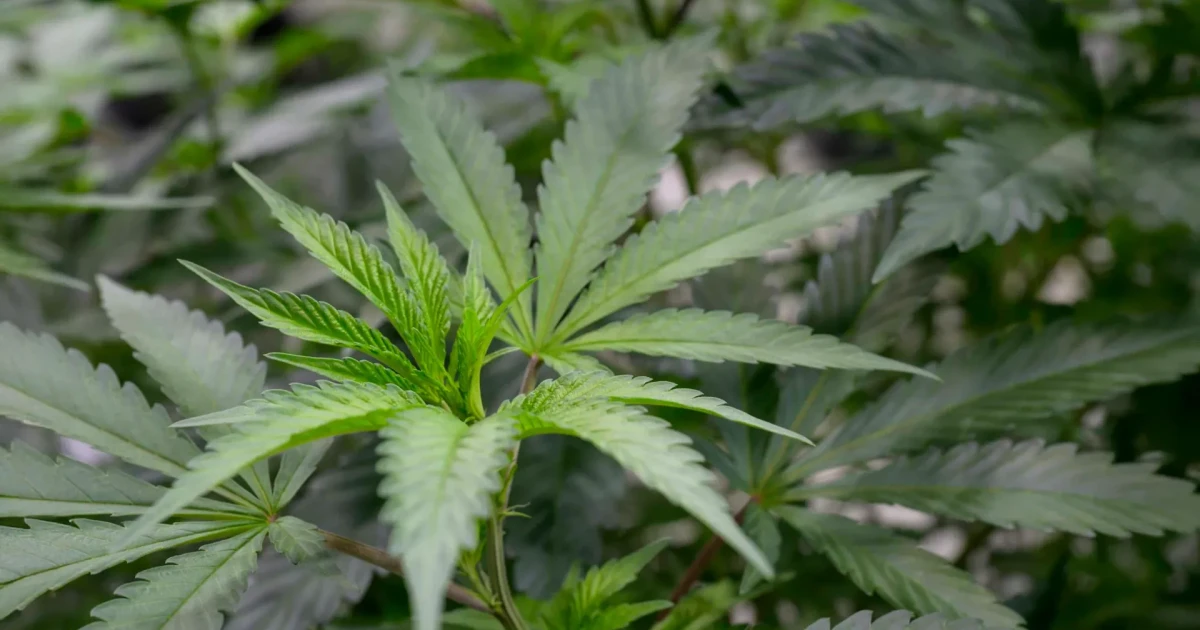
A University of Arizona Health Sciences team has pushed pain research toward a less intoxicating part of the cannabis plant: its aroma compounds. In mouse models of post-operative pain and fibromyalgia, four terpenes reduced pain without the high tied to THC, and geraniol produced the strongest effect.
The study matters because chronic pain remains one of medicine’s hardest problems, and fibromyalgia alone affects up to 5% of the world’s population. John Streicher, a professor in the University of Arizona College of Medicine - Tucson and a member of the Comprehensive Center for Pain & Addiction, led work that tested geraniol, linalool, beta-caryophyllene and alpha-humulene, all found in moderate to high levels in Cannabis sativa. The researchers said it was the first study to examine terpenes in preclinical models of fibromyalgia and post-surgical pain.
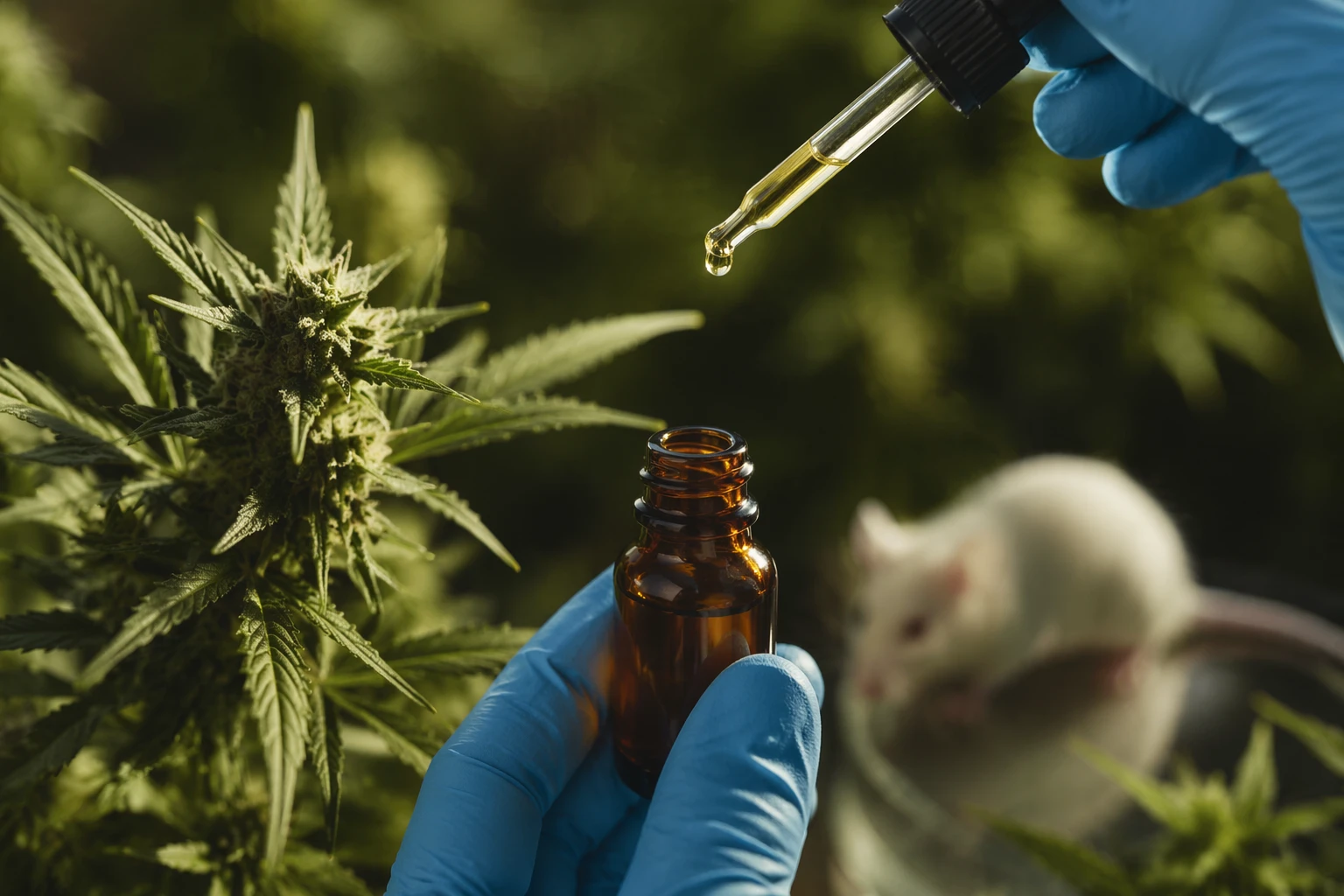
The findings build on earlier work from Streicher’s lab, which had already found terpene-related pain relief in models of inflammation and chemotherapy-induced neuropathic pain. In that earlier research, the team linked the effect to adenosine A2a receptors rather than cannabinoid receptors, strengthening the case that these compounds may work through a separate mechanism from THC and other cannabis chemicals.
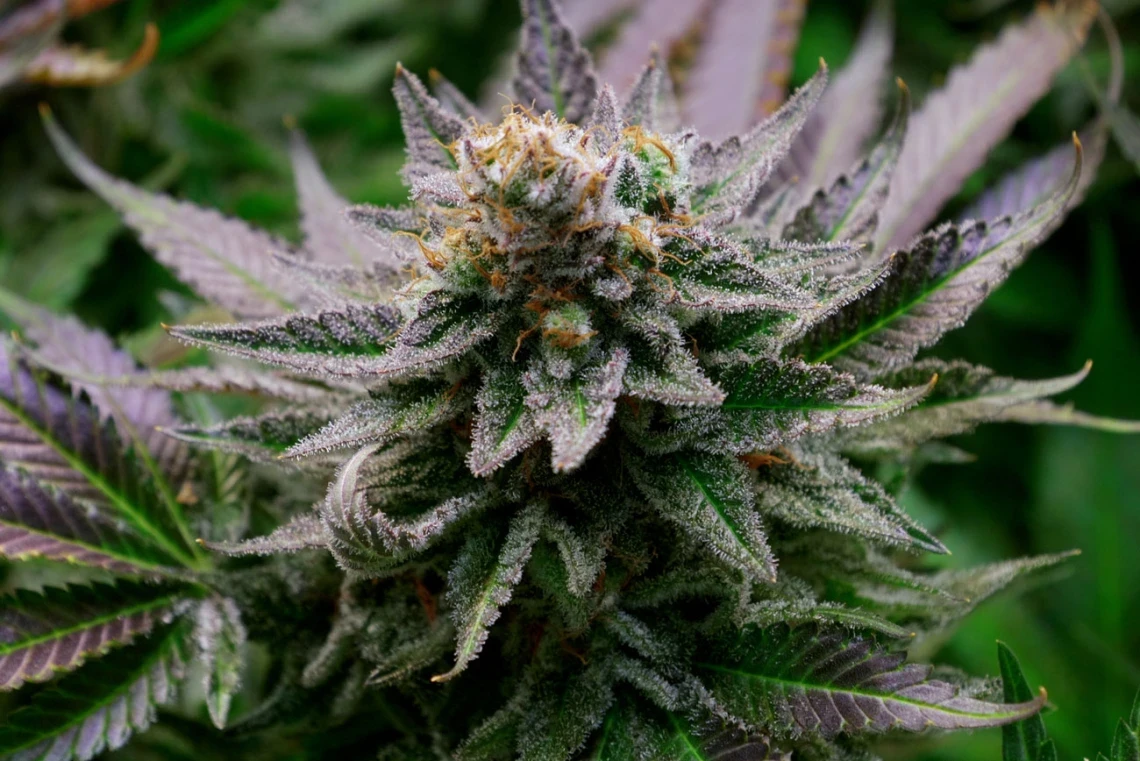
That distinction is central to drug development. The study authors said terpenes were not a good option for acute pain, such as a stubbed toe, but did show significant reductions in chronic or pathological pain. A non-intoxicating compound that eases persistent pain could have implications for post-surgical recovery, geriatric care and other settings where clinicians are trying to move away from opioid-heavy treatment plans.
The broader evidence around cannabis-based medicines remains mixed. A 2026 Cochrane review that analyzed more than 20 clinical trials involving over 2,100 adults found no strong proof that cannabis-based medicines beat placebos for neuropathic pain. That makes the terpene findings notable not as proof that cannabis is already a cure, but as an attempt to separate a more precise, potentially safer pain-relief strategy from the broader cannabis debate.

The paper, published in Pharmacological Reports, does not describe a finished treatment. It does point to a development path that now runs through refinement, dosing studies, safety testing and human trials before any terpene-based therapy could reach patients.