Science
Plastic forks shed microplastics as sugar-based alternative gains ground
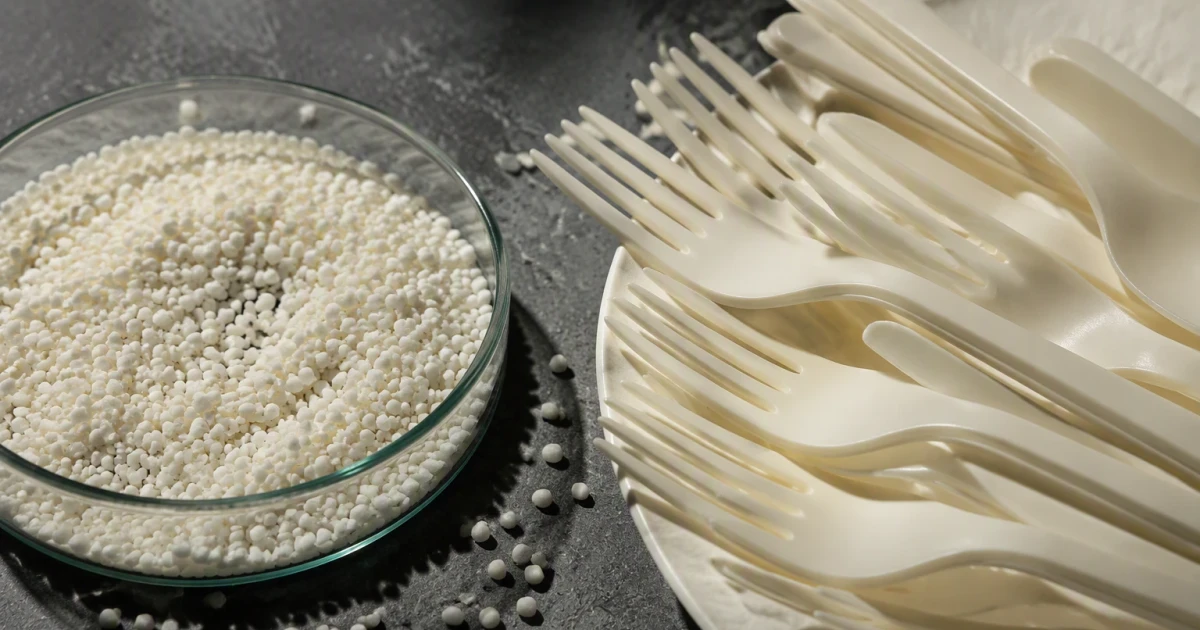
Pebble-sized pellets in a Massachusetts lab are being turned into forks and films designed to avoid leaving microplastics behind. The push comes as ordinary plastic forks face renewed scrutiny for shedding harmful microplastics and as sugar-based plastics move from a laboratory idea toward a possible substitute for single-use items.
The appeal of the material is simple: it uses sugar as a feedstock instead of crude oil. Researchers at the University of Bath have explored plastics that could one day be made with sugar and carbon dioxide, and the World Economic Forum has highlighted the same chemistry as part of the broader search for biodegradable alternatives to conventional plastics.
That scientific interest matters because the exposure questions extend far beyond a fork on a lunch tray. PubMed indexes a study titled Are there plastic particles in my sugar? A pioneering study on the characterization of microplastics in commercial sugars and risk assessment, showing that sugar-related products themselves have been examined as a contamination pathway. University of Rochester research published July 1, 2025 on plastics in kitchens and microplastics in humans adds to the concern that food-contact materials can become part of the route into the body.
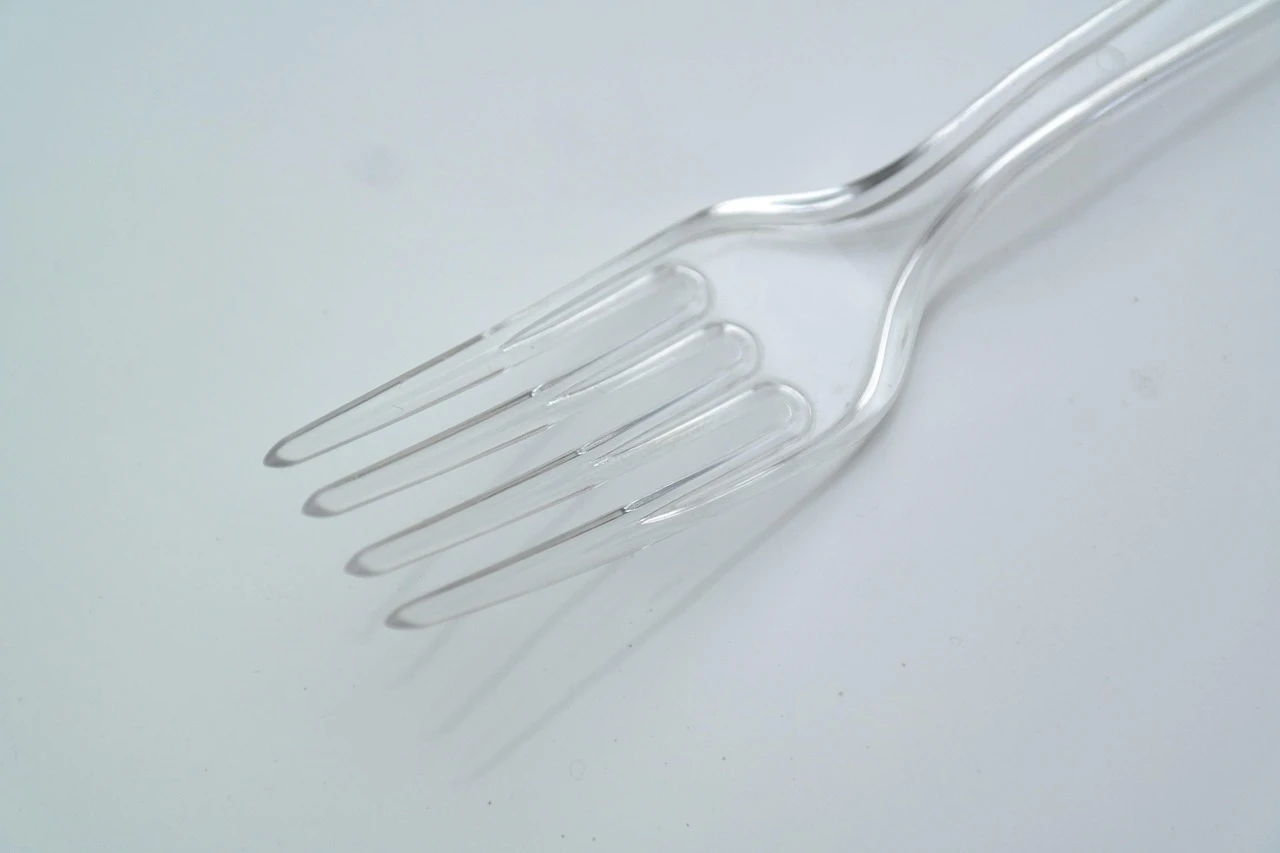
The policy and market challenge is proving that a sugar-derived plastic is not only cleaner in theory, but also affordable, durable and scalable in real supply chains. A Washington State Department of Ecology fact sheet from August 2014 makes a key distinction: biobased, biodegradable and compostable plastics are not the same thing. That distinction has real consequences for restaurant purchasing, municipal waste systems and companies looking for a sustainability label that can survive scrutiny.
Environmental advocates have long warned that a plant-based or sugar-based material is not automatically low-impact once production, transport and disposal are included. Still, if pellets made in Massachusetts can reliably become forks and films without fragmenting into persistent debris, the stakes reach well beyond cutlery. They touch packaging, consumer behavior and the economics of replacing fossil-fuel plastics with materials designed for a cleaner exit after use.
Sources
- [1]apnews.com
- [2]usnews.com
- [3]bath.ac.uk
- [4]weforum.org
- [5]pubmed.ncbi.nlm.nih.gov
- [6]rochester.edu
- [7]apps.ecology.wa.gov