Politics
Platner collapse spotlights Democrats’ struggle with Sanders-era misconduct claims
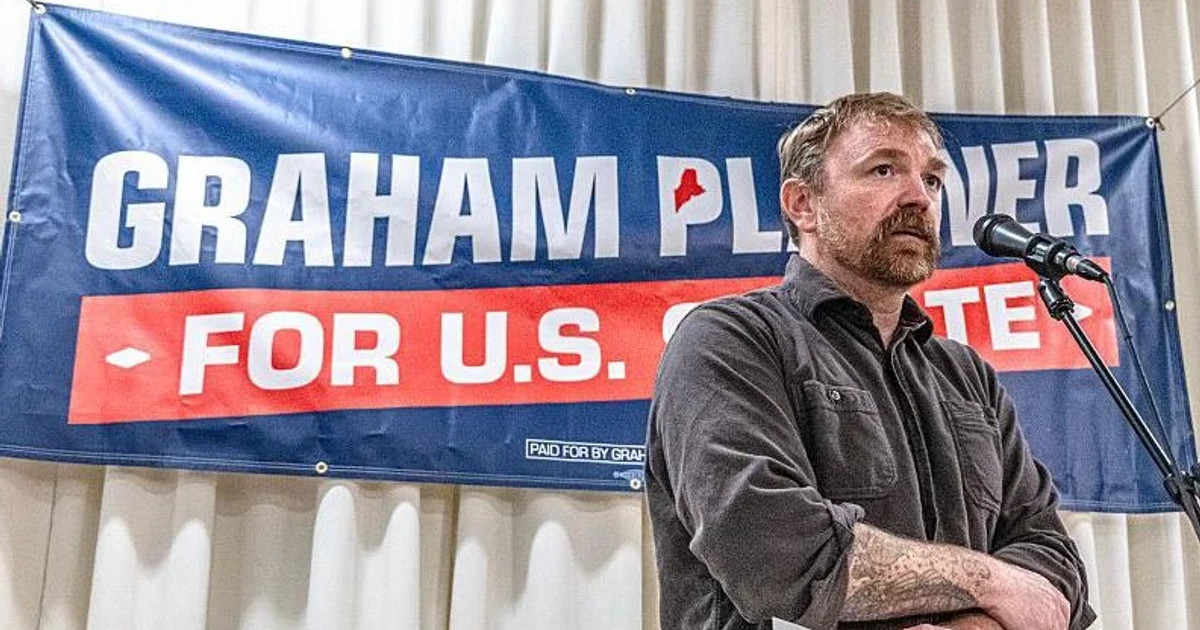
Graham Platner’s Senate bid in Maine unraveled after a former girlfriend accused him of sexual assault, forcing the 41-year-old oyster farmer and military veteran to step back from a race Democrats had seen as one of their best chances to flip a Senate seat. Platner, who won the Democratic nomination in Maine’s June 9 primary, denied the allegation and initially called it “categorically false” before saying on July 8 that he planned to withdraw.
The collapse mattered far beyond one campaign. Maine is one of the Senate battlegrounds that could decide control of the chamber, and Democrats had counted on forcing Republican incumbent Susan Collins into a fight in a state that also uses ranked-choice voting for federal and statewide offices. Platner’s exit after the allegation from Jenny Racicot undercut that plan and left Democrats scrambling in a race that had already seen outgoing Gov. Janet Mills drop out earlier in the cycle.
The speed of the retreat also exposed the fragility of campaigns built around insurgent politics and personal trust. Platner had run as a grassroots outsider, but once the accusation became public, high-profile Democrats began pulling back endorsements. Bernie Sanders joined the calls for Platner to leave the race, a striking move for the senator most closely associated with the movement that helped elevate Platner in the first place.
That tension has shadowed Sanders’ politics for years. Sanders has kept the same ideological lane for roughly four decades, and his campaigns have produced intensely loyal supporters who have often struggled to consolidate behind the eventual party nominee. In 2016, Maine Democrats and Sanders supporters were already being pressed to unite behind Hillary Clinton against Donald Trump, a reminder that movement loyalty and party discipline have rarely lined up neatly.

Platner’s collapse has revived a harder question inside progressive circles: whether a politics built on anti-establishment energy is more willing to excuse troubling conduct by men who are seen as useful to the cause. The “Bernie Bros” label, long used to describe aggressive male Sanders supporters and online harassment aimed at women, has never been just about internet culture. In the Platner case, it has become a test of whether the Sanders-aligned ecosystem can hold male candidates to account when allegations of abuse threaten a campaign that had been cast as part of a larger movement.
Sources
- [1]nytimes.com
- [2]apnews.com
- [3]abcnews.com