Politics
Platner wins Maine Democratic primary, sets up Collins Senate showdown
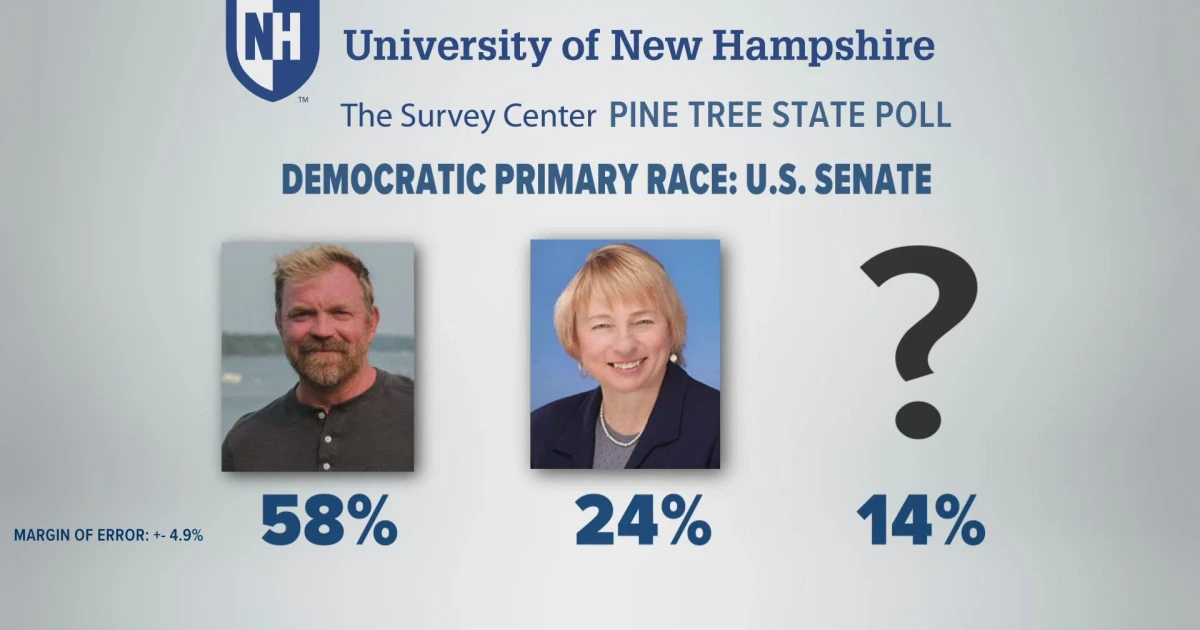
Graham Platner’s victory in Maine’s Democratic U.S. Senate primary on June 9 set up a November clash with Republican Sen. Susan Collins, and it immediately exposed the tradeoffs Democrats are making in the Trump era. For Platner’s backers, the calculation was blunt: with Donald Trump back in the White House and control of the Senate in play, the bar for a nominee has dropped. As one supporter put it, “Purity politics don’t get us anywhere.”
The Associated Press called the race at 6:23 p.m. on June 9, with 97% of the votes counted. Maine Public said the contest could help determine control of the U.S. Senate during Trump’s final two years in office, a fight defined by narrow margins and little room for error. Senate Republicans hold a 53-47 majority, and Democrats need to net four seats to take the chamber in 2026, which makes Maine one of the party’s most closely watched pickup opportunities.

Platner’s margin was not only enough to clear the primary; it also put him in the state record book. Maine Public reported that he has already received more primary votes than any other Democratic U.S. Senate candidate in Maine history, with more than 150,000 votes on Election Day, according to AP data and a state-election-data analysis that stretches back to 1918, when Maine first began electing U.S. senators by popular vote. The scale of that support underscores how quickly Platner moved from a contested figure to the party’s nominee.


But the same qualities that helped him win have left Democrats divided. Some Maine Democrats are uneasy about the baggage around his campaign, and national coverage has described a split between those willing to overlook the controversies and those who worry the party is lowering its standards in the name of electability. Trump has seized on that tension, calling Platner a “thug” after the primary and later accusing Democrats of hypocrisy for supporting him. In Maine, the question is no longer just whether Platner can beat Collins. It is how far Democrats are willing to bend when they believe the Senate itself is on the line.
Sources
- [1]washingtonpost.com
- [2]mainepublic.org
- [3]apnews.com
- [4]senate.gov
- [5]politico.com
- [6]usnews.com