Science
Poisson spot trick creates exotic light patterns for future computing
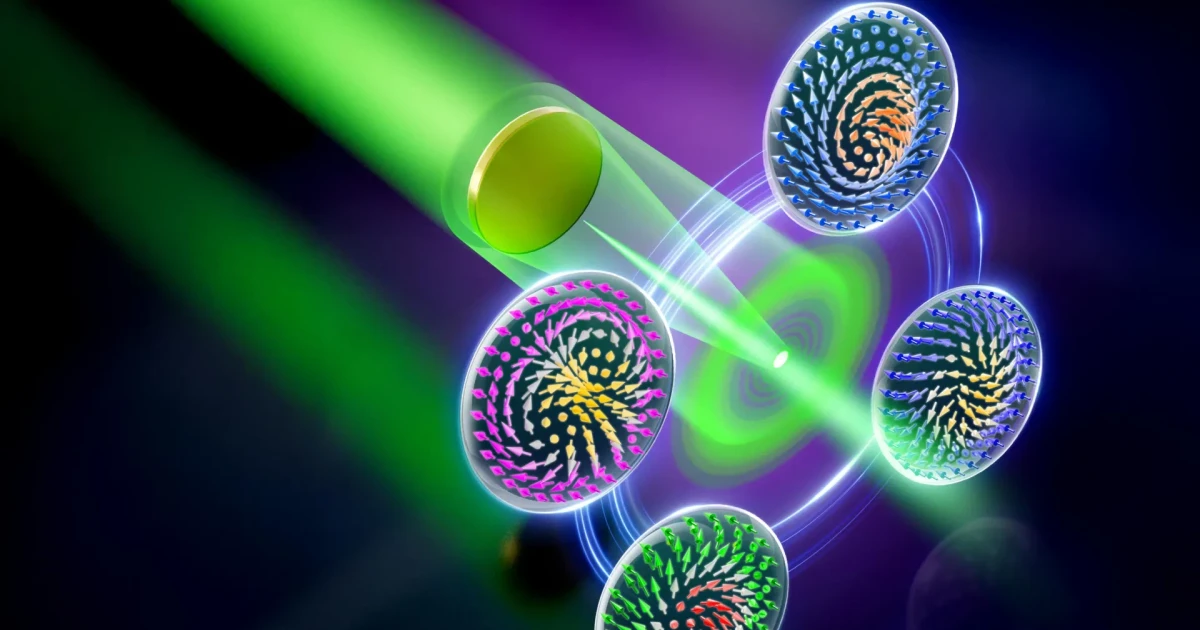
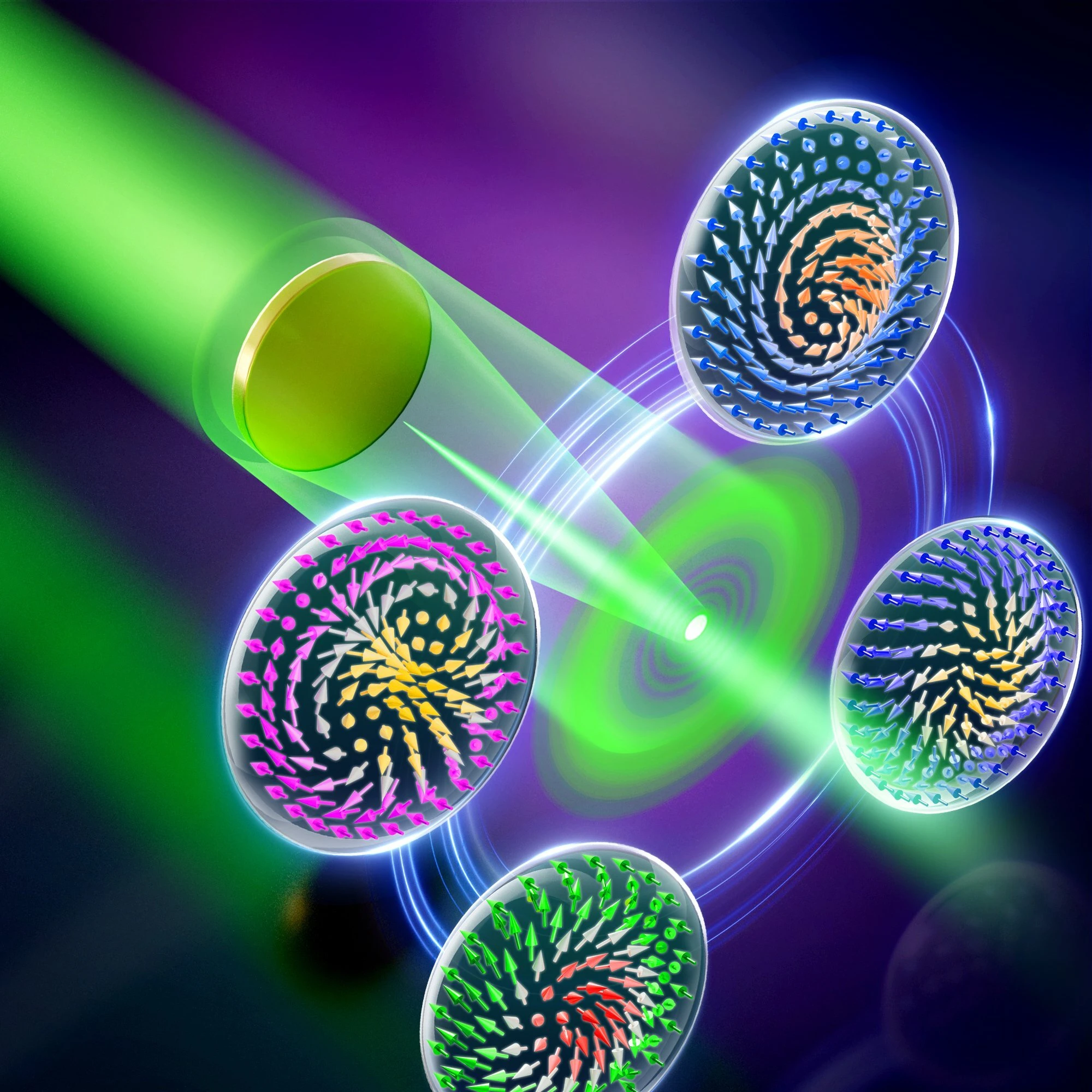
Nanyang Technological University researchers used a laser and a small circular disc to turn the Poisson spot, the bright point that appears in the center of a shadow, into optical skyrmions with possible uses in future computing. The work, led by Nanyang Assistant Professor Shen Yijie and published in Optica, replaces the complex engineered materials usually needed for these structures with a classic optical setup.
The Poisson spot first drew attention in the early 1800s, when Augustin-Jean Fresnel and Dominique Arago helped settle a debate over whether light moved only in straight lines or could spread like a wave. In plain terms, the effect happens when coherent light bends around a circular object and creates a bright point in the middle of the shadow. NTU Singapore’s team used that familiar interference pattern as a way to generate far more intricate structures in light itself.
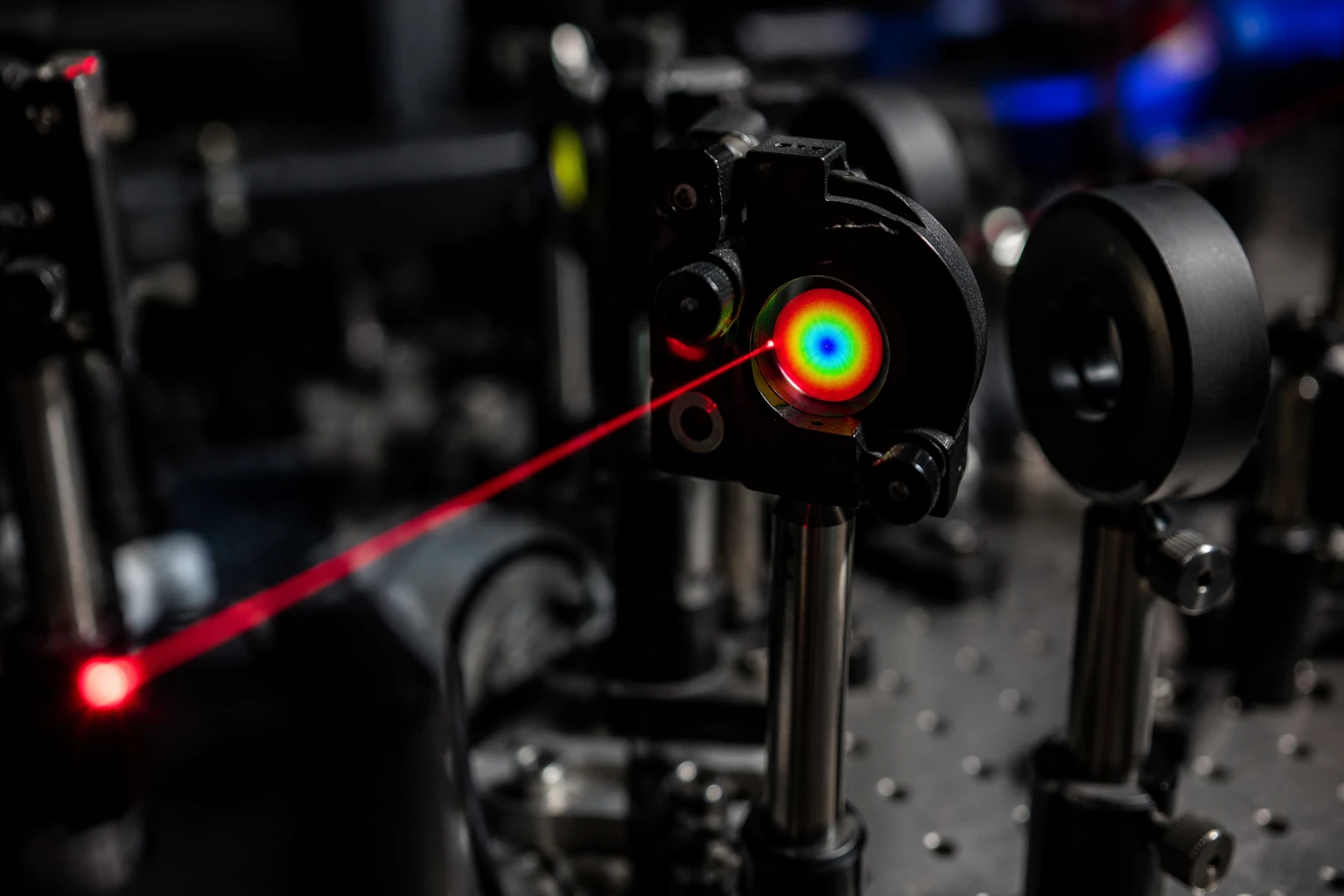
Those structures, called optical skyrmions, are tiny swirling patterns in the properties of light. NTU says the new approach can produce up to four related topological field patterns at the same time: spin skyrmions, Stokes skyrmions, electric-field skyrmions and magnetic-field skyrmions. That matters because researchers want light-based systems that can store, move and sense information with high precision while using less energy than many electronic approaches.
The promise is not a consumer chip in hand today. The value lies in lowering the barrier to experiments that have often required bulky or complicated generators. In a 2024 Nature Communications paper, an NTU-linked photonics group said current optical-skyrmion generators were complex or bulky and described a metafiber platform that could support topologically enhanced remote super-resolution microscopy and robust information transfer. A 2023 Nature Photonics review placed optical skyrmions inside a broader family of topological quasiparticles of light and laid out open challenges, while a 2025 Nature Communications study showed optical encoding by storing ASCII information in perturbed skyrmion bags.
That research trail shows why the NTU result is more than a clever trick with old optics. If a circular disc and a laser can reliably produce controlled light textures, scientists can test how those textures behave in sensing, communication and data storage, and whether they can be integrated into practical photonic hardware. The hard work still ahead is making the patterns stable, scalable and useful outside the lab, but the route has become much simpler.
Sources
- [1]sciencedaily.com
- [2]ntu.edu.sg
- [3]dr.ntu.edu.sg
- [4]nature.com
- [5]britannica.com