World
Poland and Germany sign defense pact amid Russia concerns
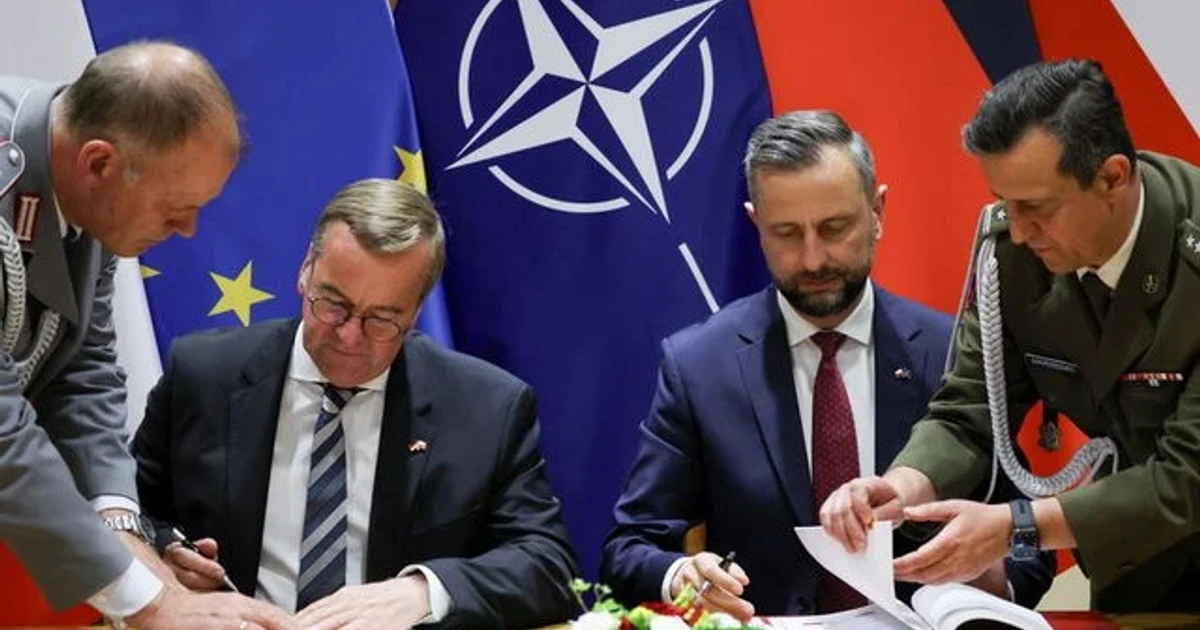
Poland and Germany deepened their security ties in Warsaw on June 17 with a new bilateral defense agreement that puts Baltic defense, military mobility, cyber protection and joint crisis planning at the center of Europe’s response to Russia. The pact landed on the 35th anniversary of the 1991 Treaty on Good Neighbourship and Friendly Cooperation, giving a practical military document a heavy layer of historical symbolism.
The agreement was signed by Polish Deputy Prime Minister and Defense Minister Wladyslaw Kosiniak-Kamysz and German Defense Minister Boris Pistorius after Germany’s Federal Cabinet approved it on June 10. It reaffirms mutual assistance commitments under NATO Article 5 and EU Article 42(7), and expands cooperation in capability development, defense industry, joint training and exercises, crisis management, responses to hybrid threats and the Baltic Sea region. German officials described it as a political signal in challenging times, while Pistorius framed it as strengthening shared security.
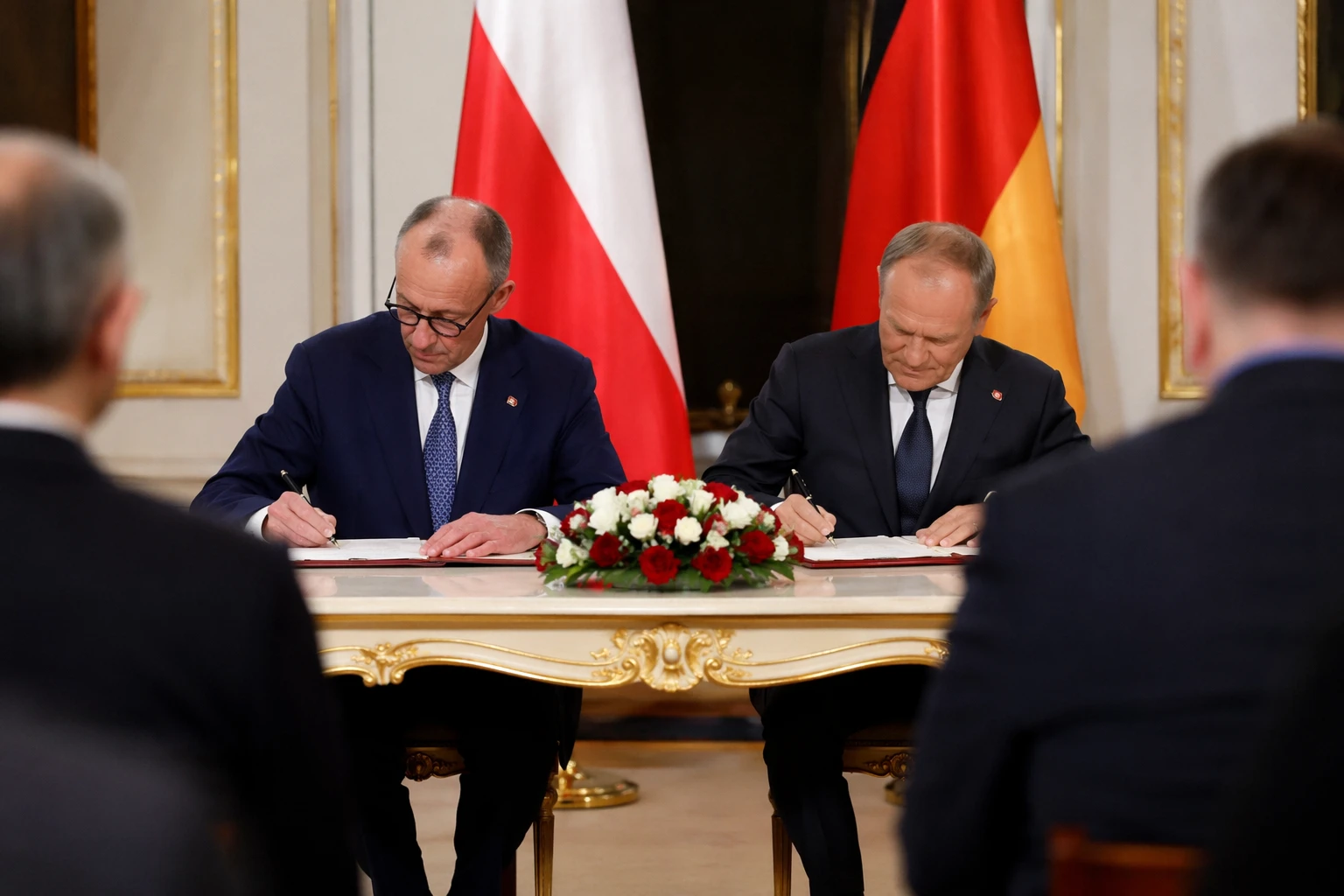
For Warsaw, the pact is part of a wider strategy to build a web of bilateral security commitments alongside NATO membership. Poland has already signed defense treaties with France and Britain and is working on another with Italy. Kosiniak-Kamysz said the deal opens new areas for cooperation in cybersecurity, joint responsibility, joint command in the Baltic and new technologies, and said it creates opportunities for military mobility and infrastructure that would help both countries move forces and equipment more efficiently.
The timing reflects how sharply Europe’s security debate has shifted since Russia’s full-scale invasion of Ukraine in 2022. Relations between Poland and Germany have become more pragmatic since then, and since Poland’s liberal government took office in 2023. That change has been reinforced by hard geography: Poland borders both Russia and Ukraine, serves as a logistics hub for Ukraine, and has poured heavily into defense. Germany, meanwhile, is trying to rebuild the Bundeswehr after years of neglect and is looking for reliable partners inside NATO.
The new pact also replaces a previous Polish-German defense cooperation agreement signed in Warsaw in June 2011, updating an older framework rather than creating a brand-new alliance. Analysts say the arrangement matters beyond the two capitals because Germany’s role in the Baltic region depends on Polish cooperation. As Justyna Gotkowska put it, Germany is largely responsible for the defense of the Baltic states, and that role cannot function properly without Poland. That is the larger message of the deal: Europe is trying to harden itself for a longer, more uncertain security era, even as it still leans on NATO and the United States.
Sources
- [1]usnews.com
- [2]bundesregierung.de
- [3]deutschland.de
- [4]polskieradio.pl
- [5]halifax.citynews.ca
- [6]dw.com