World
Poland and Ukraine clash over Zelensky’s UPA honor decree
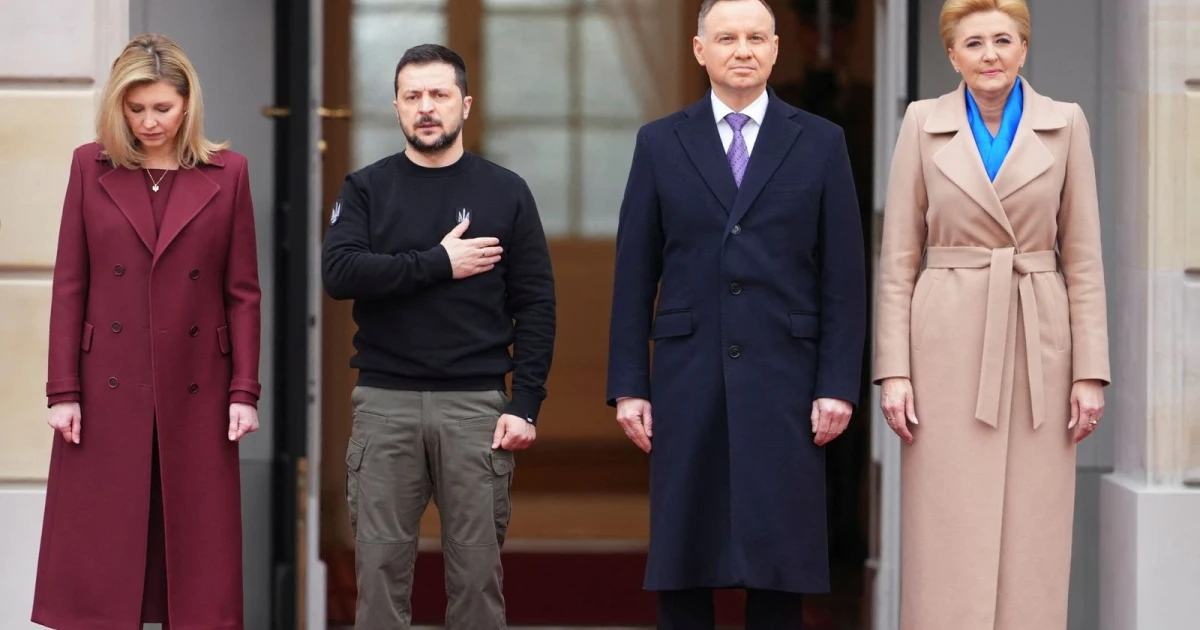
Volodymyr Zelensky’s decision to honor a Ukrainian Special Operations Forces unit with the title “Heroes of the Ukrainian Insurgent Army” reopened one of the deepest wounds in Polish-Ukrainian relations. Signed on May 26, the decree was meant, Ukraine said, “to revive the historical traditions of the national army,” but in Poland the UPA remains tied to the Volhynia massacres of 1943-1944, when Polish historians say tens of thousands of Poles were killed in what Warsaw considers genocide.
The backlash hardened on June 19, when Poland’s nationalist president, Karol Nawrocki, said he would strip Zelensky of the Order of the White Eagle, Poland’s highest state honor. Zelensky received that award on April 5, 2023, from then-president Andrzej Duda in Warsaw. Nawrocki said the move did not alter Poland’s support for Ukraine against Russia, but argued that naming a military unit after UPA figures clashed with Poland’s memory of the wartime atrocities.
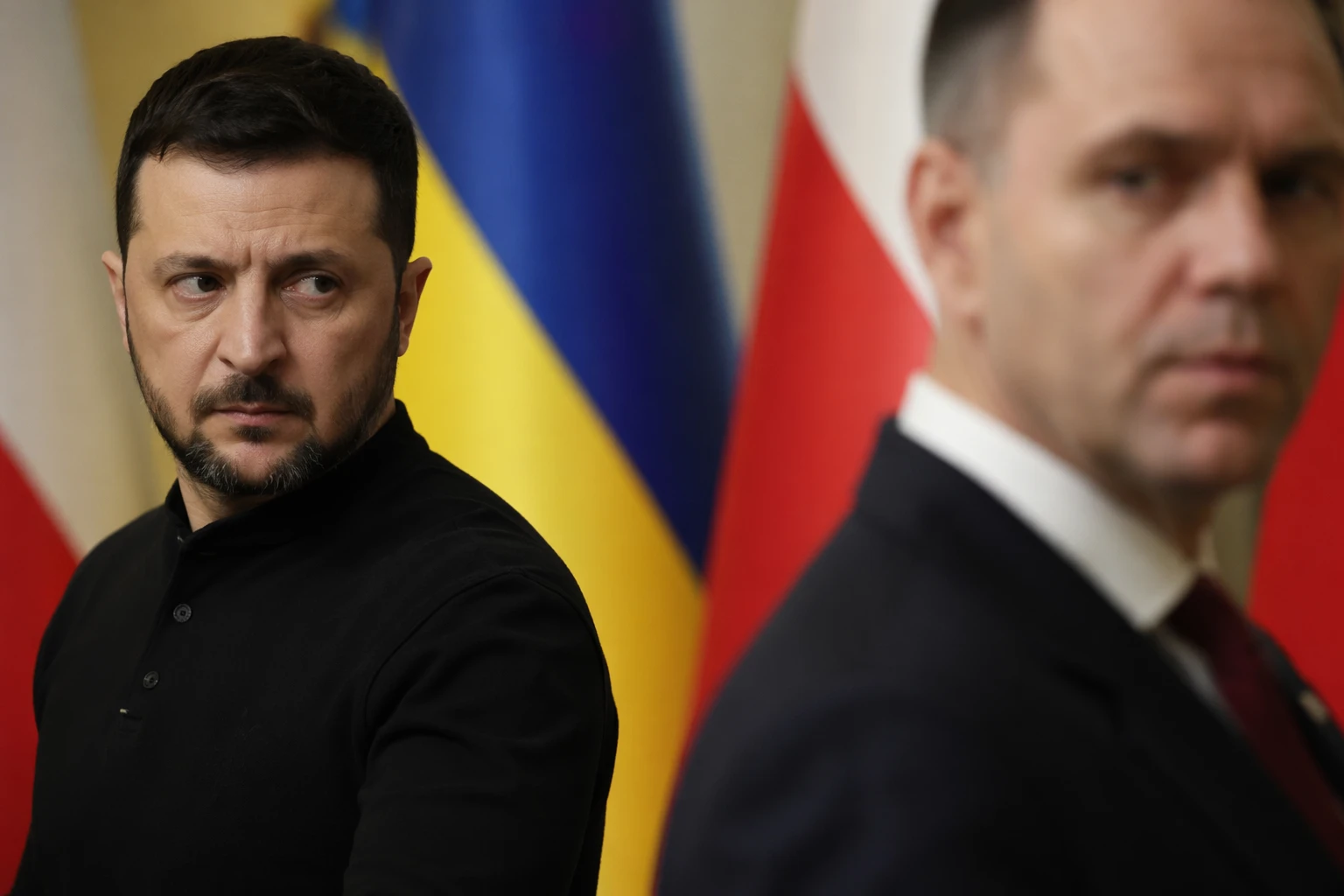
Ukraine pushed back immediately. Foreign Minister Andriy Sybiha called Nawrocki’s decision a “strategic mistake” that only benefits Moscow. Zelensky responded by stressing Ukraine’s gratitude for Polish support and saying Kyiv remained open to dialogue so the two countries could avoid conflicting interpretations of their painful past. The dispute exposed how easily historical symbolism can spill into present-day diplomacy, especially when it touches the mass killings of civilians and the language used to define them.
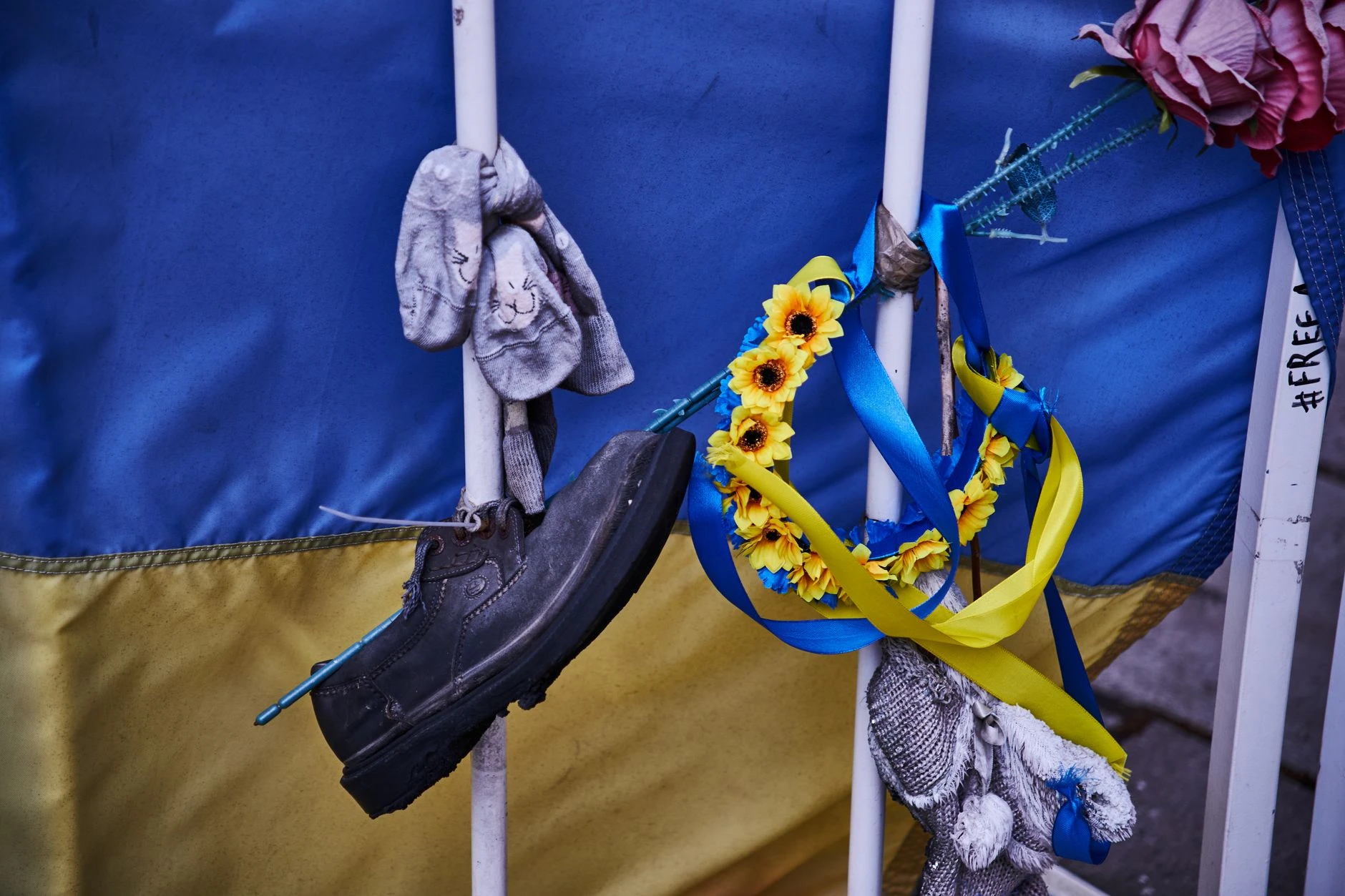
The argument also landed in a wider political reality: Poland has been one of Ukraine’s most important backers since Russia’s full-scale invasion in 2022. Polish aid has included billions of dollars spent on access to education, healthcare and social welfare for refugees from Ukraine, even as old nationalist grievances continue to resurface. Former president Lech Walesa signaled his own protest by removing a Ukrainian flag pin, while Prime Minister Donald Tusk warned against letting history damage a strategic alliance that has been central to Ukraine’s survival in wartime. For Kyiv, the dispute is more than a quarrel over memory. It is a test of how long neighboring support can hold when wartime necessity collides with unresolved historical trauma.
Sources
- [1]nytimes.com
- [2]politico.eu
- [3]kyivindependent.com
- [4]france24.com
- [5]president.gov.ua
- [6]gov.pl