World
Poland detains suspect in killing of Russian Putin critic
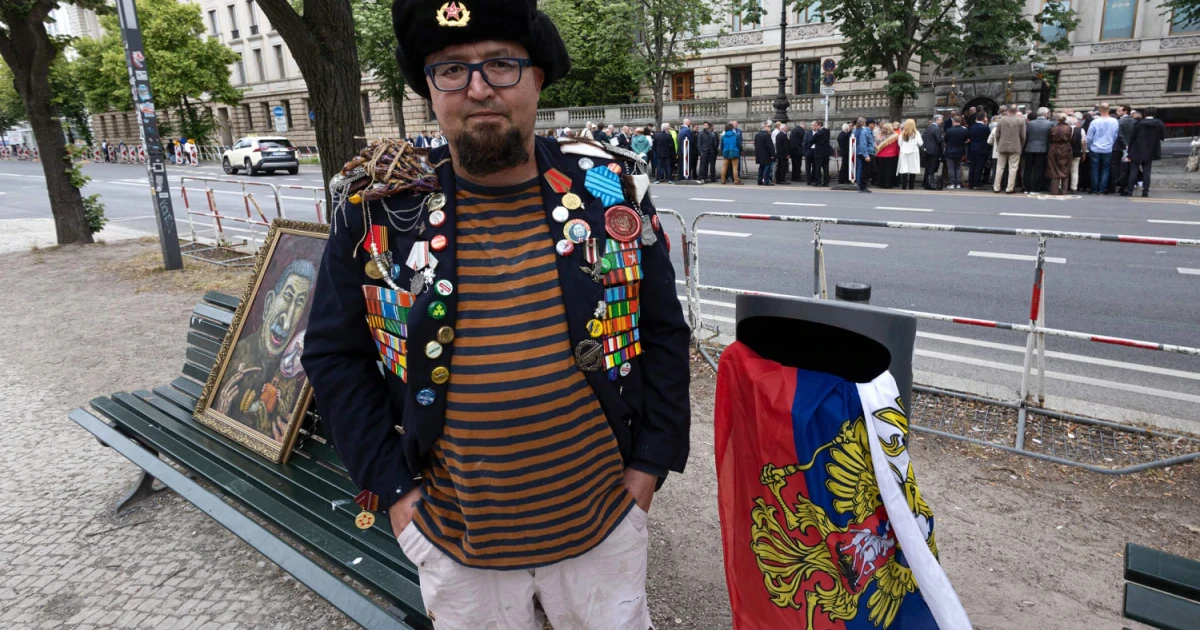
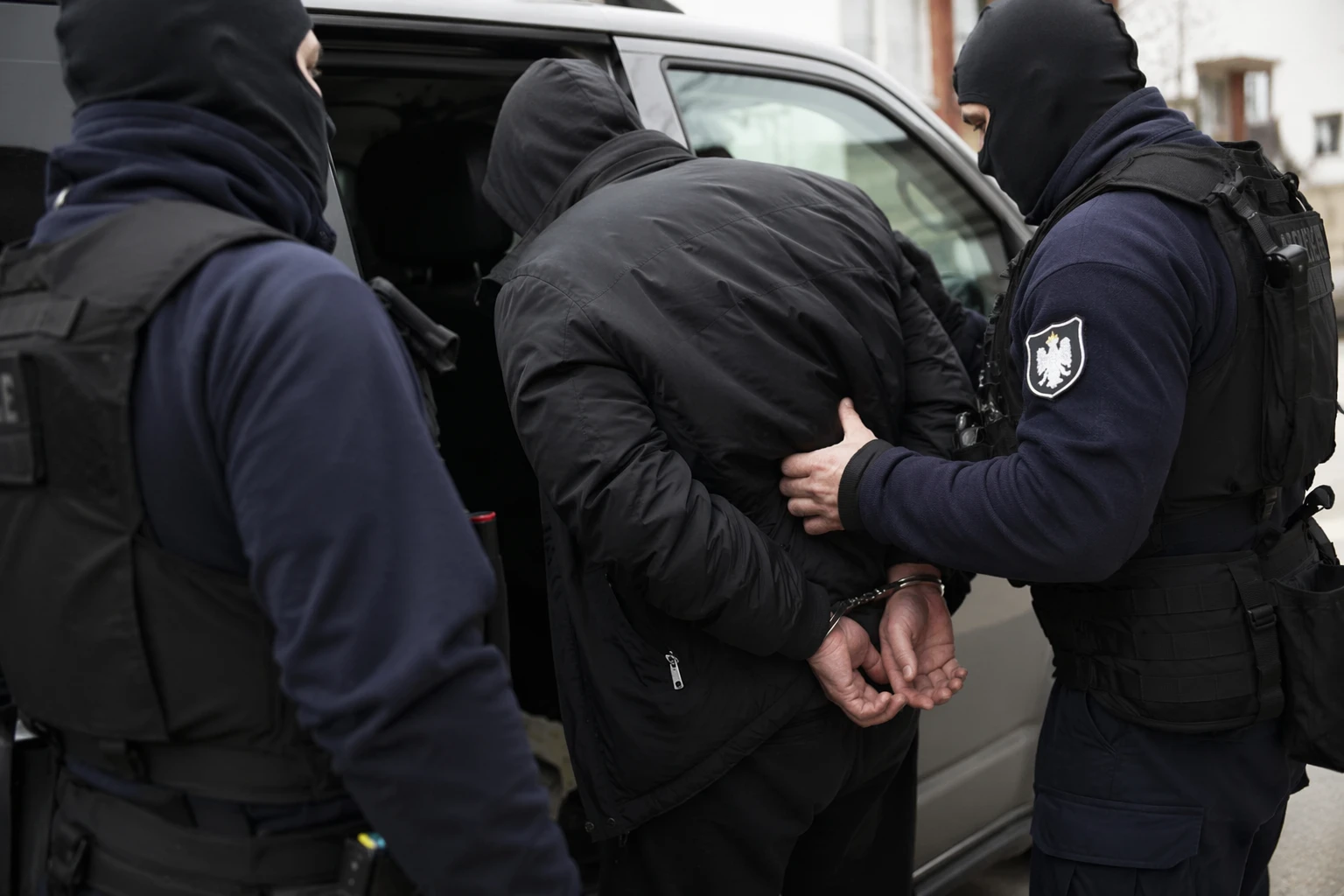
Polish authorities detained a suspect in the killing of Russian national Robert Kuzovkov, also known as Semyon Skrepetsky, after the artist and Kremlin critic was shot dead near his home in the eastern city of Biala Podlaska. Prime Minister Donald Tusk said the man was taken into custody on Thursday in cooperation with Poland’s Internal Security Agency, and police said he had been using a Georgian passport belonging to a 36-year-old man.
Prosecutors said Skrepetsky was hit by five bullets, including one to the head, in the close-range shooting on Monday, June 15, 2026. Two Belarusian citizens, aged 37 and 33, were also arrested near the Belarusian Consulate after the killing, but they have not been charged. Tusk said investigators were still trying to identify who ordered the attack.
The case has quickly become a test of how safe Russia’s critics really are in Europe. Skrepetsky had moved to Poland in 2021, fearing persecution in Russia as the Kremlin tightened its crackdown on dissent. He was known as an artist, blogger, satirist and caricaturist who mocked Vladimir Putin and Russian authorities, and he had staged an anti-Putin protest in Berlin on June 12, 2026, Russia Day.
That protest has deepened suspicion that the killing may have been politically motivated. Tusk said the shooting had the hallmarks of a political assassination, and he later said, “Everything points to this being a political murder.” France 24 reported that he warned the killing would have an international dimension if it had been commissioned by Russia.
For Poland, the homicide is more than a local murder investigation. Since Russia’s full-scale invasion of Ukraine, the country has become a major refuge for Russian dissidents, exiles and activists, many of whom live there because they believed the European Union could provide a safer distance from the Kremlin. The killing in Biala Podlaska, and the detention of suspects linked to Georgia and Belarus, raises fresh doubts about whether that distance is still enough.
It also fits a wider European security pattern that has sharpened since the war began, with governments increasingly alert to espionage, sabotage and cross-border intimidation. If investigators conclude that Skrepetsky was targeted because of his anti-Putin activism, the case will underscore a hard reality for host countries: even far from Moscow, exiles can remain within reach.
Sources
- [1]yahoo.com
- [2]usnews.com
- [3]abcnews.com
- [4]euronews.com
- [5]abc.net.au
- [6]france24.com
- [7]rte.ie