Business
Poland extends fuel VAT cut and price cap, ends excise relief
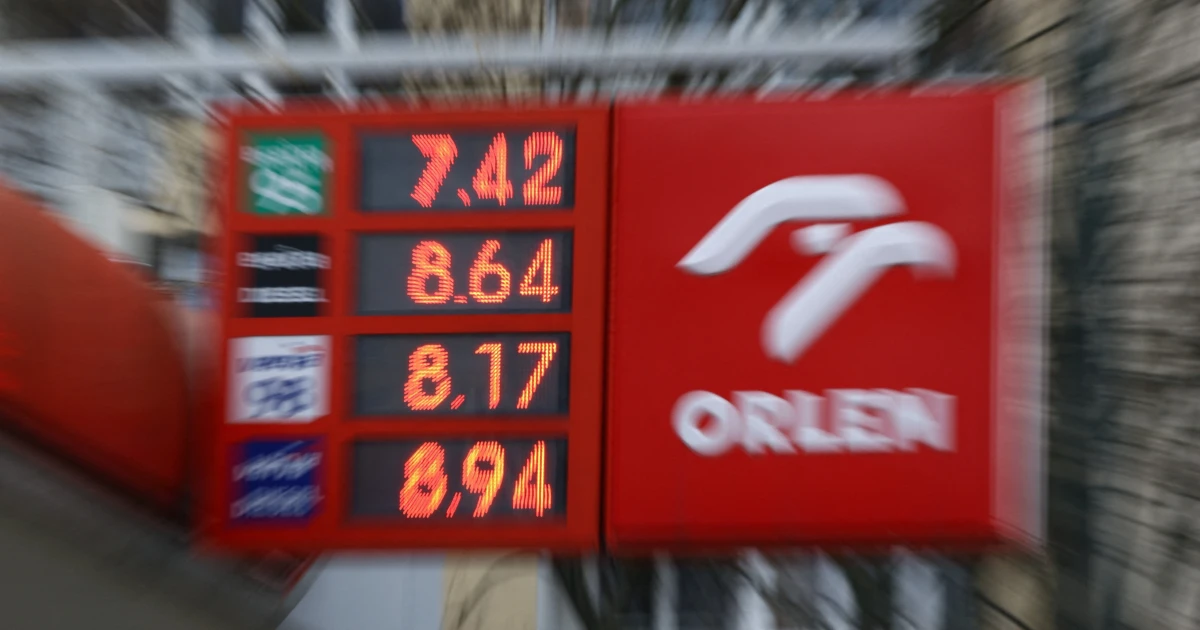
Poland kept a fuel VAT cut and a maximum retail price in place through the end of June, but it stopped short of renewing the excise-duty break that had softened pump prices earlier this spring. The split decision is a real-world stress test of how far governments can go in suppressing energy inflation before it reaches households, and how much revenue they are willing to give back to do it.
Warsaw first turned to emergency fuel relief in March, when the Council of Ministers approved a package tied to the war in the Middle East and the sharp rise in oil prices. The VAT rate on certain fuels was cut from 23% to 8% from March 31 through April 30, and the Sejm followed on March 27 with a 428-12 vote for a fuel price-cap bill. That legislation also gave the finance minister authority to reduce fuel excise duty by regulation until June 30.
The June extension preserves only part of that shield. Drivers will still benefit from the lower VAT rate and the maximum pricing regime, but the excise-duty cut will not be renewed. That matters because excise relief is a direct tax giveaway, while the cap and VAT cut work more as temporary buffers against sudden jumps in market prices. For households and transport operators, the measures can delay pain at the pump. For the state, they also limit the size of the fiscal hit.
The mechanics show how tightly managed the policy became. The daily ceiling for gasoline and diesel was set using market data, including wholesale prices from major suppliers, along with taxes and distribution costs. The cap also included a fixed retail margin of 0.30 zloty per liter, and sellers charging above the limit could face fines of up to 1 million zloty.
The budget cost helps explain the choice to trim relief rather than extend it in full. Polish reporting cited Finance Ministry estimates of about 700 million zloty a month for the excise cut and about 900 million zloty a month for the VAT cut. Finance Minister Andrzej Domański said consumer sentiment mattered and that the budget could absorb the cost of the fuel measures, but the June decision shows a narrower appetite for blanket tax relief.
For now, Poland is trying to cushion drivers without fully surrendering tax revenue or abandoning price discipline. That approach may ease transport and logistics costs in the short term, but it does not remove the country’s exposure to global oil markets or the political volatility that comes with them.
Sources
- [1]globalbankingandfinance.com
- [2]gov.pl
- [3]podatki.gov.pl
- [4]sejm.gov.pl
- [5]pap.pl
- [6]biznes.pap.pl
- [7]tvpworld.com
- [8]notesfrompoland.com