World
Poland targets 2027 partner choice for second nuclear plant

Poland is moving its second nuclear plant toward a 2027 partner decision, a sign that Warsaw wants to lock in long-term power security without waiting for the pace of coal plant retirements to dictate the transition. The plan would place the new station alongside the country’s first nuclear build, giving Poland two large reactors programs to help cut emissions while keeping a reliable baseload supply on the grid.
The government’s updated nuclear programme envisions two large nuclear power stations with a combined capacity of 6 to 9 GW. It said on June 12, 2026 that the programme marks a new stage in the country’s nuclear drive, with more than 60 billion złoty set aside for the first plant alone and thousands of high-skilled jobs expected as Polish companies take a bigger role.
That first plant is already much further along. Polskie Elektrownie Jądrowe, the state-owned project company, submitted the construction-licence application on March 31, 2026, after Poland chose Westinghouse technology in November 2022 and later signed an engineering development agreement with Westinghouse Electric Company and Bechtel. The three AP1000 reactors planned for Lubiatowo-Kopalino in Pomerania, on the Baltic coast, would have a total installed capacity of 3,750 MWe.
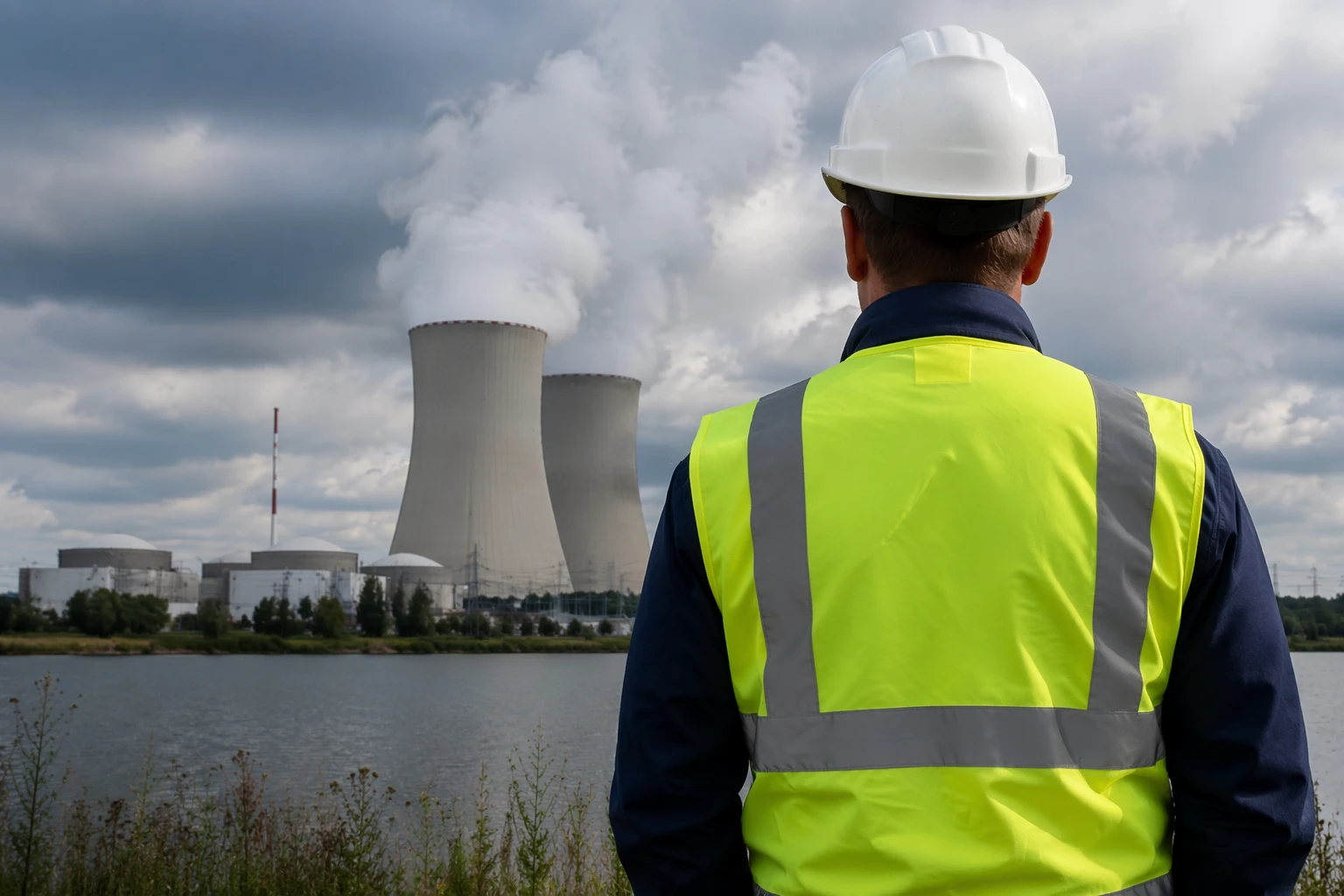
The timetable matters because the first project is supposed to begin construction in 2028 and enter commercial operation between 2036 and 2038. That makes the second plant a later but still crucial pillar of Poland’s energy reset: if the first project slips, the second becomes harder to sequence, finance and staff, and the country’s reliance on coal would last longer than planners want.
Financing is one of the biggest open questions. Poland secured European Commission approval for state aid linked to the first plant in 2025, and Westinghouse said in March 2026 that the Export-Import Bank of the United States had agreed credit support for that project. For the second plant, officials have indicated they are looking at structures that would not lean entirely on taxpayers, a politically sensitive issue in a country where nuclear costs can trigger fears of overruns and state exposure.
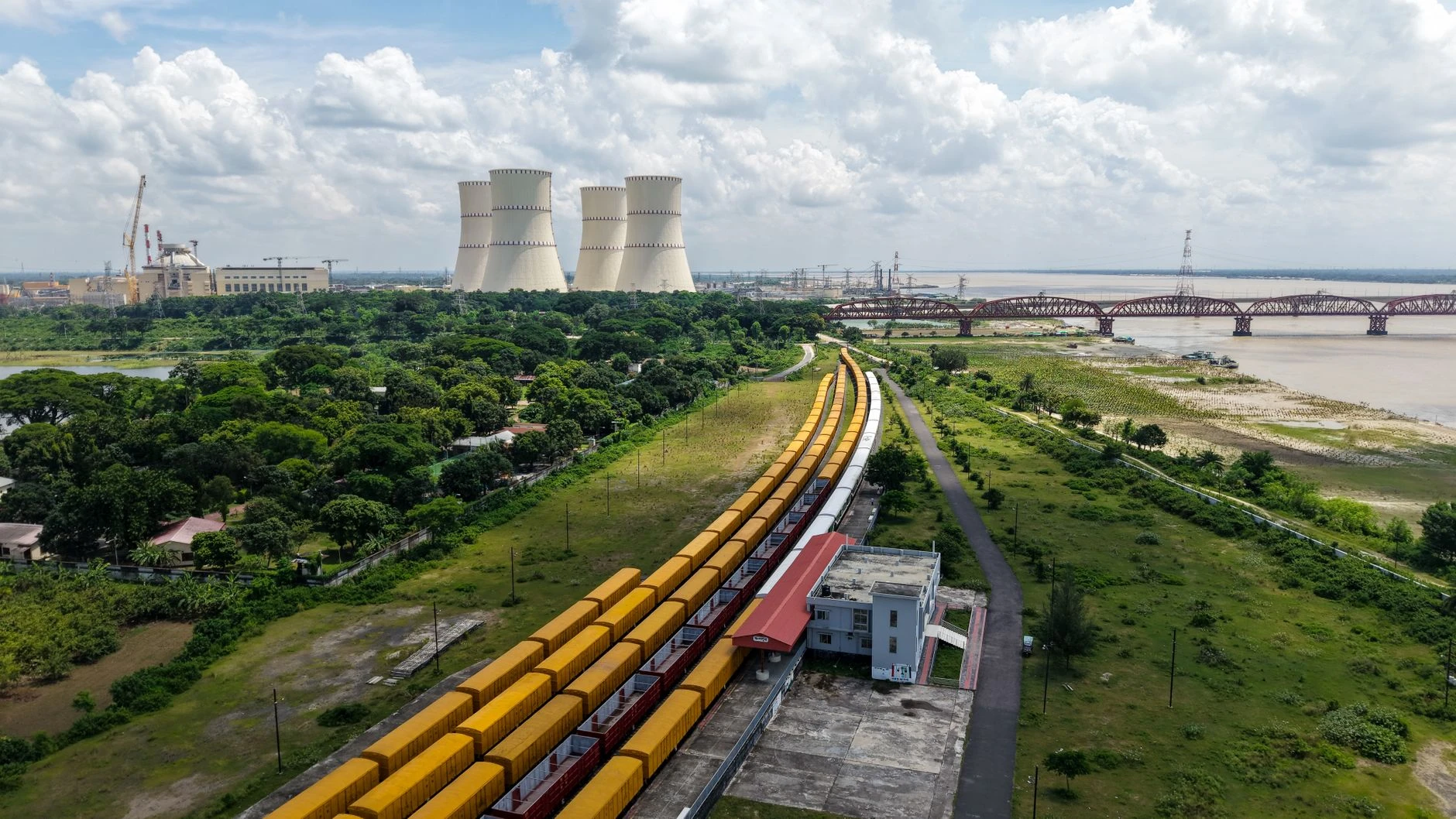
The partner search is also a diplomatic contest. Poland has discussed second-plant cooperation with the United States, France and Canada, with Westinghouse, EDF and AtkinsRéalis all in the frame. Bełchatów and Konin, both coal-linked sites, have been discussed as possible locations, underlining how nuclear policy is being used to redraw the map of Poland’s energy future rather than simply add another power source.
For Warsaw, the stakes extend beyond electricity. A second nuclear plant would help insulate Poland from external shocks, reduce exposure to volatile fossil-fuel markets and accelerate the shift away from coal, which still weighs heavily on the economy and the power system. If the 2027 partnership decision holds and the site follows in 2028, Poland will have turned nuclear energy from a long-running ambition into a central instrument of its post-coal strategy.