World
Poland unveils Warsaw Wall of Remembrance for Volhynia victims
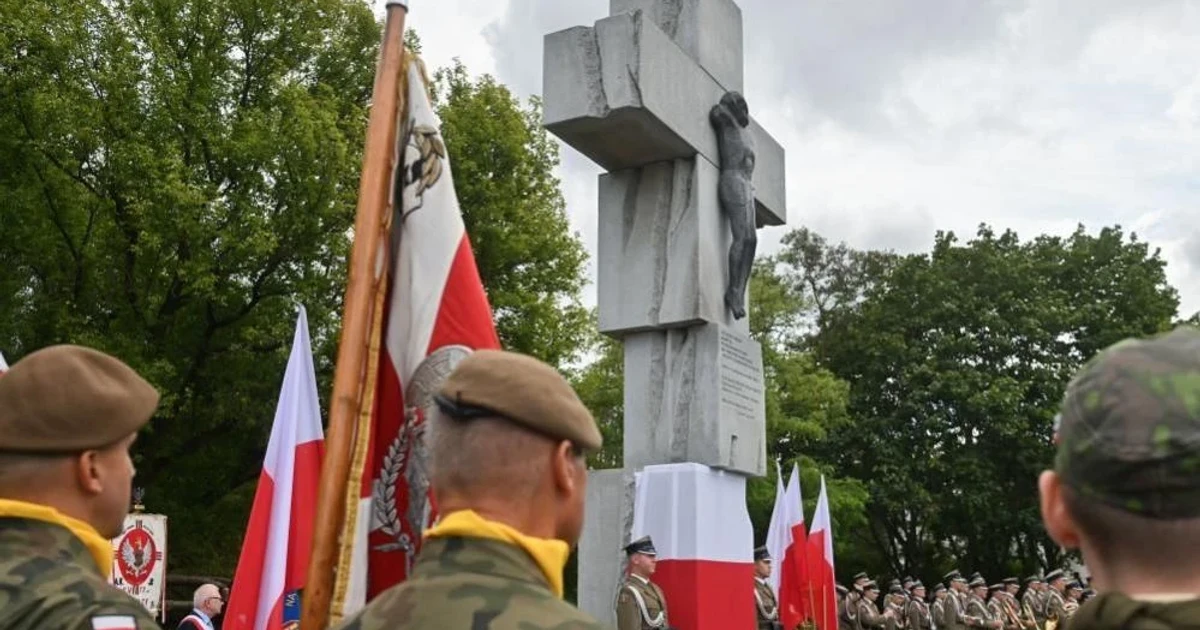
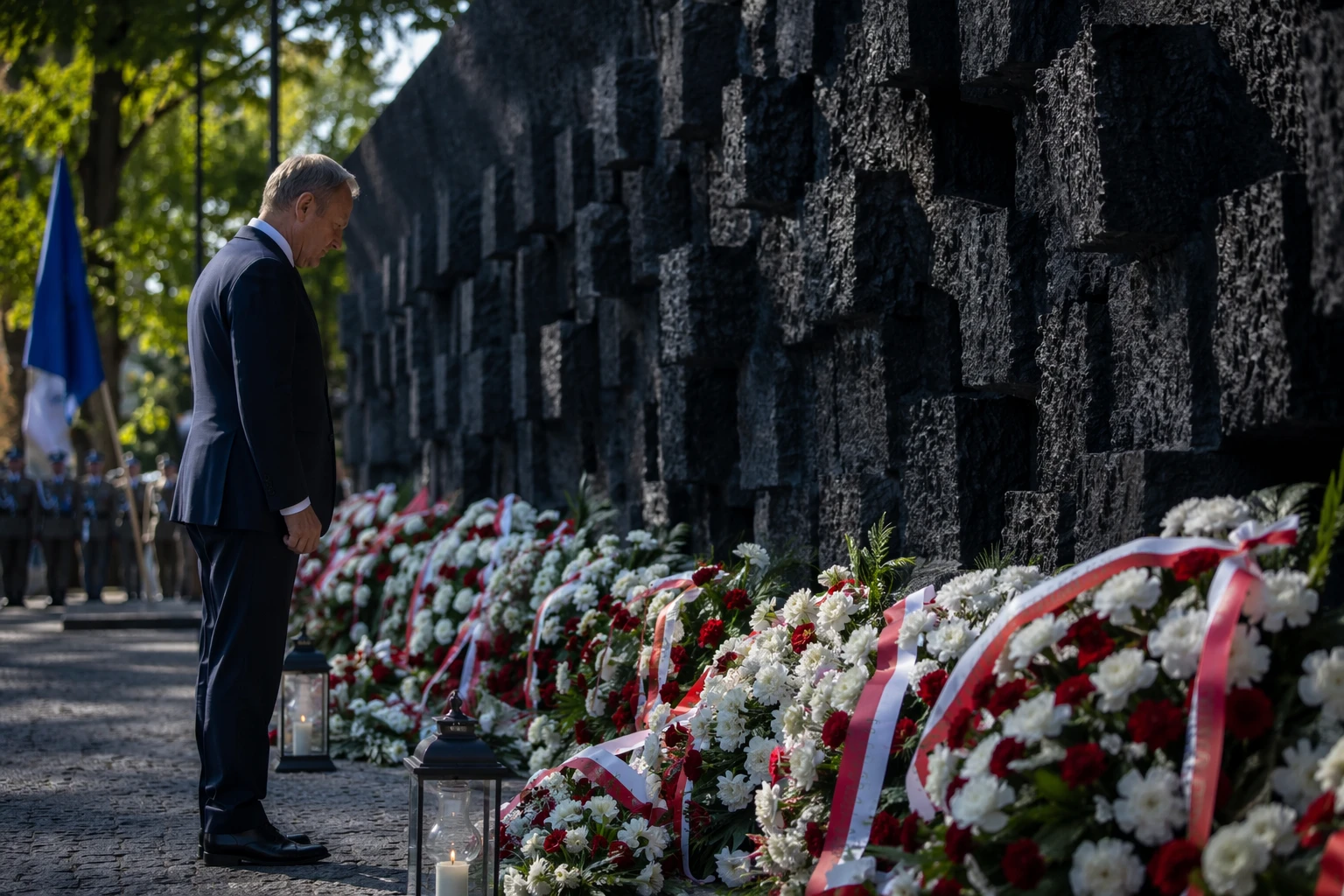
Donald Tusk announced a Wall of Remembrance in Warsaw for victims of the Volhynia massacres, saying it would carry the names of every victim who has been found and identified and include an eternal flame. The announcement came as Poland marked the anniversary of the killings, which remain one of the sharpest historical disputes between Warsaw and Kyiv.
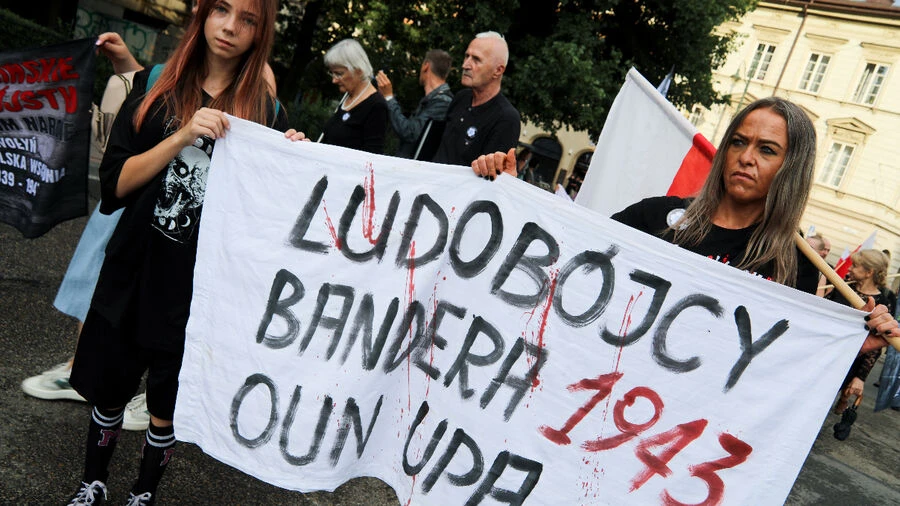
The conflict centers on violence Poland says was carried out in 1943-1945 by the Organisation of Ukrainian Nationalists and the Ukrainian Insurgent Army against Polish civilians in Volhynia and Eastern Galicia. Polish estimates commonly put the death toll at about 70,000 to 100,000 ethnic Poles, while some accounts say reprisals by Poles killed up to 12,000 Ukrainians. July 11 carries the deepest symbolic weight because it marks Bloody Sunday in 1943, when attacks struck dozens of Polish villages and settlements.
Poland made that date official in 2025, when the Sejm adopted a law establishing July 11 as the National Day of Remembrance for Poles, victims of the genocide committed by the OUN-UPA. President Andrzej Duda signed the law on July 2, 2025. Ukraine’s Foreign Ministry criticized the move as inconsistent with good-neighbourly relations, underscoring how memory politics has become entangled with day-to-day diplomacy.
The new memorial plan adds another layer to that strain. Tusk’s wall in Warsaw is intended not as a broad symbol but as a roll call of the dead, a permanent site where each identified victim can be named. Polish officials and historians have argued that full historical truth, including exhumations and searches for remains, is essential to any durable resolution of the dispute.
That effort now sits beside a larger strategic calculation. Poland is one of Ukraine’s strongest supporters in the war against Russia, which makes every clash over wartime memory more politically sensitive. Kyiv has continued to stress the need for dignified remembrance and reconciliation, but the Volhynia killings still shape the atmosphere in which Polish and Ukrainian leaders talk about the past, the dead and the future of their alliance.
Sources
- [1]bbc.co.uk
- [2]polskieradio.pl
- [3]tvpworld.com
- [4]newsukraine.rbc.ua
- [5]uk.news.yahoo.com