World
Poland warns Ukraine over World War II massacre dispute
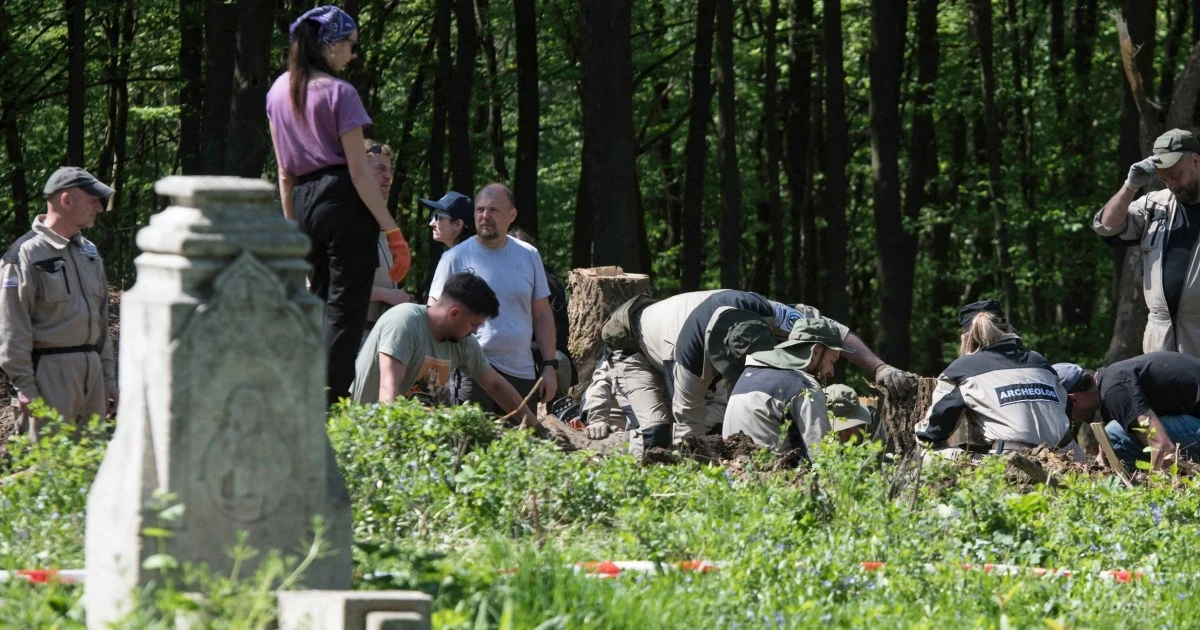
Ukraine approved new exhumation permits in June 2026 for two sites in Volhynia where more than 1,000 Polish civilians were killed in 1943, but the concession did not end a dispute that is now reaching into Poland’s backing for Kyiv’s European Union ambitions. Polish Deputy Prime Minister Władysław Kosiniak-Kamysz said Ukraine would have “no chance” of joining the EU until the Volhynia issue was resolved, especially if there was no exhumation and commemoration of the Polish dead.
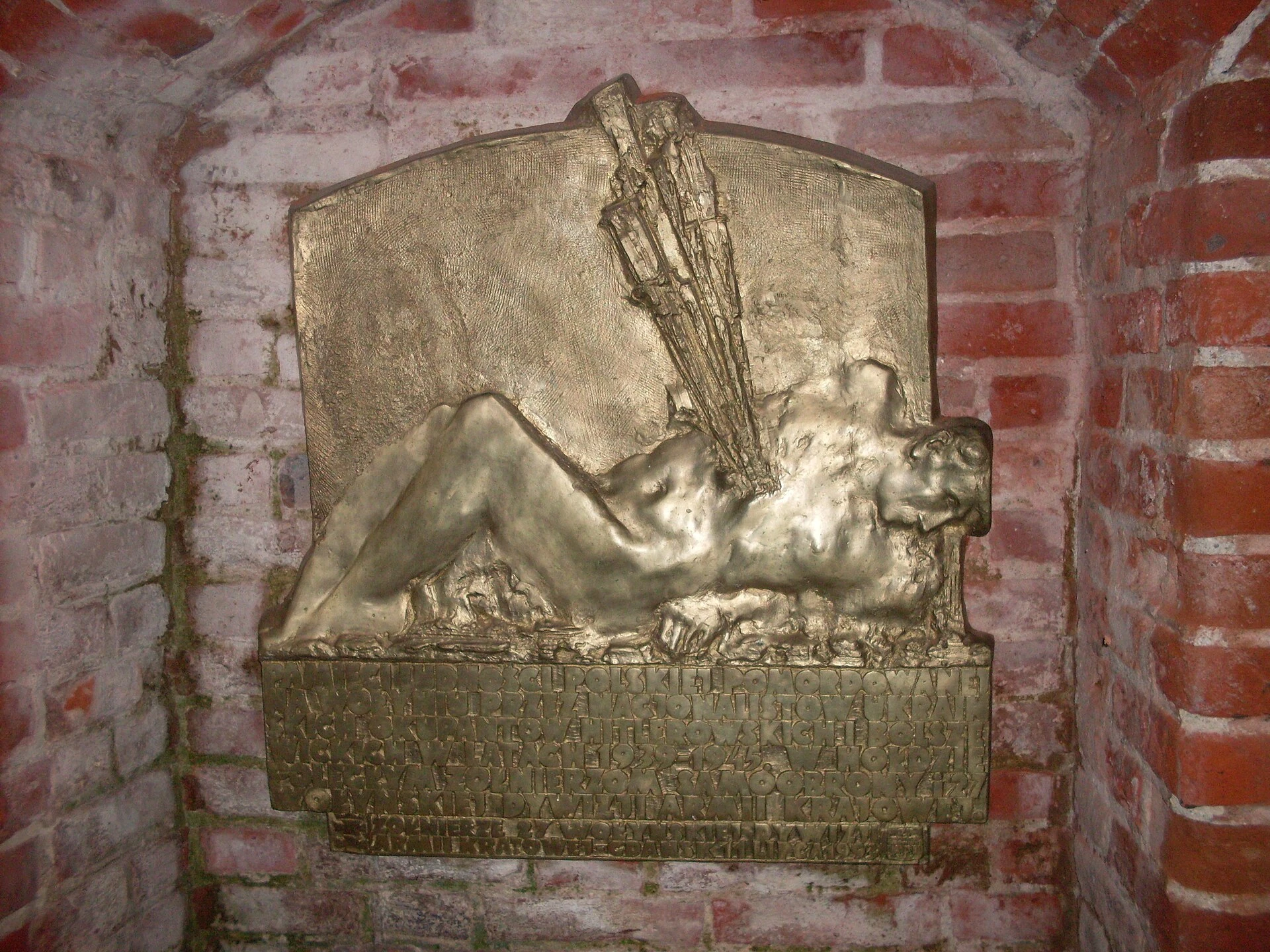
The argument centers on the World War II Volhynia massacres, which Polish officials say claimed around 100,000 ethnic Poles. Poland’s parliament recognized the events as genocide in 2016, and July 11 is marked in Poland as the Day of Remembrance for the victims of genocide committed by Ukrainian nationalists.
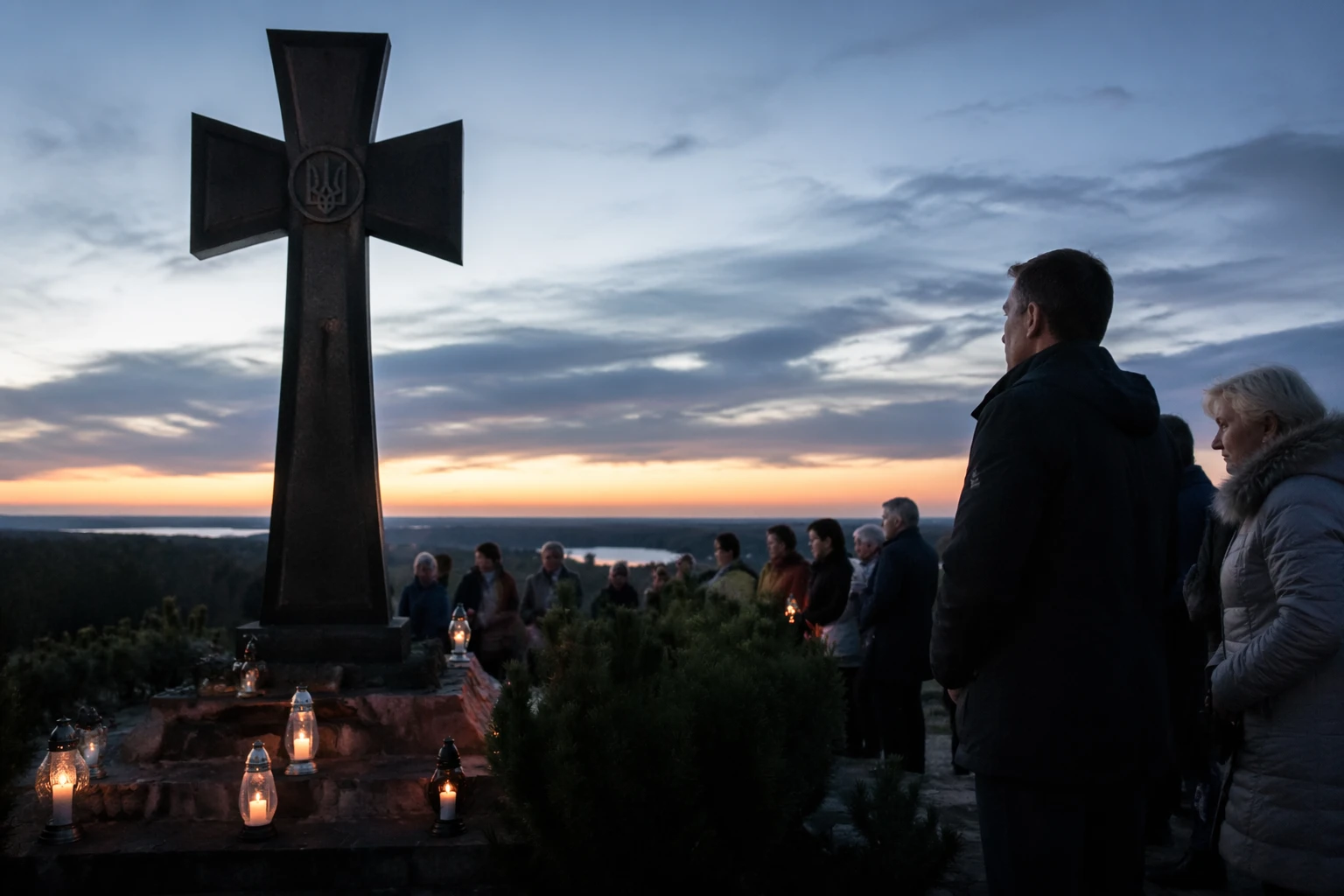
Kyiv rejects that framing. Many Ukrainian historians describe the violence as part of a broader wartime conflict and stress that Polish reprisals killed thousands of Ukrainians, arguing that the killings cannot be reduced to a one-sided account. That split over memory has made each new move on memorials, exhumations and wartime symbolism politically charged.
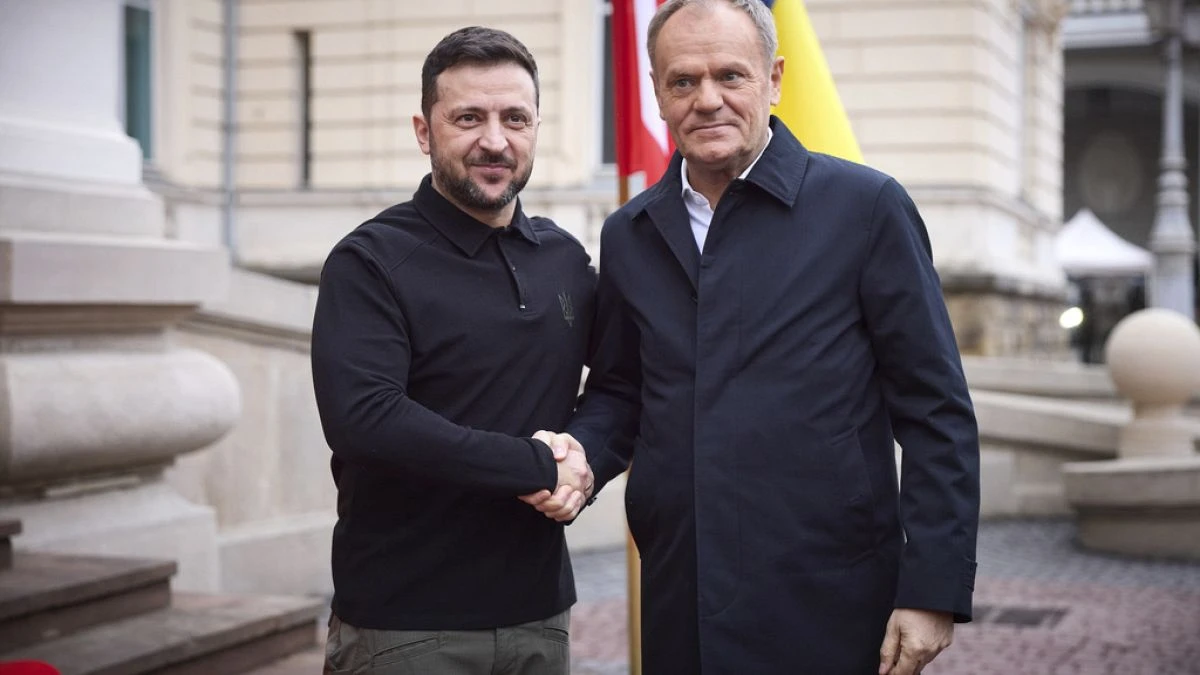
The strain is now colliding with the practical demands of the war against Russia. As policymakers discussed Ukraine reconstruction in Poland on June 25, 2026, Warsaw was struggling to ease the historical tensions, and Volodymyr Zelenskiy did not attend a major reconstruction conference there. For Poland, the dispute is no longer only about the dead of 1943; it is being weighed alongside reconstruction aid, peace talks and Ukraine’s path toward the European Union.
There have been moments of progress after years of freezes and disputes over memorial inscriptions. Ukraine began allowing new exhumation work in 2025 after a breakthrough in bilateral talks, and remains exhumed in Puźniki were later reburied. The latest permits extend that process to two more sites in Volhynia, but the broader dispute still sits at the center of relations between two countries that need each other for security, even as they disagree over how to remember their own history.
Sources
- [1]nbcnews.com
- [2]usnews.com
- [3]pap.pl
- [4]polskieradio.pl
- [5]notesfrompoland.com