Business
Poland’s Power Grid Survives Wiper Malware Attack: Cybersecurity on High Alert
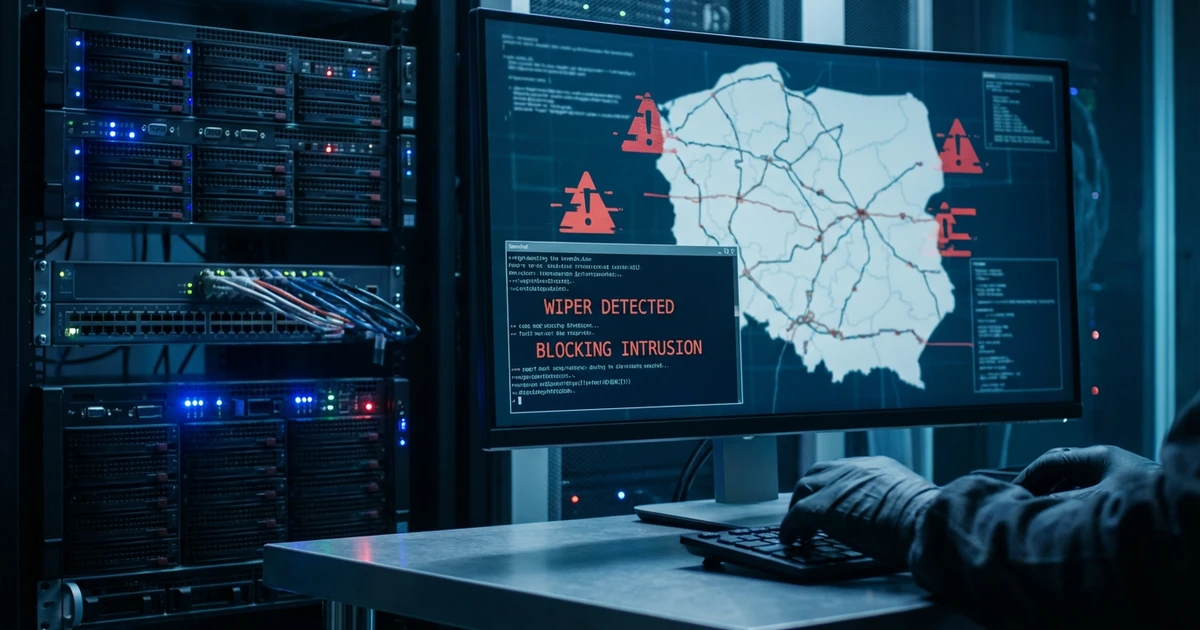
Poland’s energy sector recently faced a significant cybersecurity threat as a sophisticated wiper malware attack targeted the nation’s power grid in late 2025. Despite the high stakes, the attack failed to disrupt electricity supplies, highlighting both the resilience of Poland’s critical infrastructure and the growing risk from state-backed cyber actors.
The Attack: Aiming for Blackout, Missing the Mark
According to cybersecurity researchers at ESET, the wiper malware—malicious software designed to erase or destroy data—was deployed against systems controlling Poland’s energy network. The operation has been attributed to the notorious Sandworm hacking group, long suspected of ties to Russian military intelligence.
- The malware’s primary objective was to sabotage Poland’s electricity distribution by wiping essential data from critical systems.
- Despite infiltration, the attack did not succeed in causing blackouts or disrupting power delivery.
This outcome is a testament to the energy sector’s defensive measures, which managed to contain the malware before it could inflict operational damage.
Sandworm’s Track Record and Geopolitical Context
Sandworm has a notorious history of targeting energy infrastructure, especially in Eastern Europe. Prior attacks have resulted in temporary blackouts in Ukraine, contributing to ongoing concerns about the vulnerability of critical infrastructure during periods of heightened geopolitical tension.
While the Ars Technica report did not confirm the exact systems targeted, the attempted disruption aligns with Sandworm’s established pattern of using wiper malware as a weapon to destabilize vital services.
Poland’s Cybersecurity Response
The successful defense against this attack underscores the progress Poland’s energy sector has made in cybersecurity preparedness. Intrusion detection systems, network segmentation, and rapid incident response protocols appeared to play a crucial role in minimizing the impact.
- No customers experienced power loss during or after the incident.
- Authorities and private sector operators are conducting further investigations to assess any lingering risks and strengthen defenses.
Rising Threats and Industry Implications
The attempted attack serves as a cautionary tale for other nations and industries reliant on complex digital control systems. Wiper malware can have devastating effects if not detected and contained quickly, and threat actors are increasingly targeting critical infrastructure as a means of exerting political or economic pressure.
Industry experts note that the attack on Poland’s grid is part of a broader trend of escalating cyber aggression against national infrastructure, with energy, water, and transportation systems at particular risk.
Looking Ahead
As cyberattacks grow in sophistication, Poland’s experience offers both reassurance and warning. The energy grid’s resilience demonstrates that robust cybersecurity measures can blunt even advanced threats. However, the incident highlights the need for ongoing investment in cyber defense, cross-sector collaboration, and vigilance at every level of the energy supply chain.
For more information on Poland’s energy infrastructure and cybersecurity initiatives, visit the Polish Power Grid Company and stay updated with the latest cybersecurity research from ESET.
Sources
- [1]Ars Technica