Technology
Police chiefs showcase AI tools at Fort Worth conference
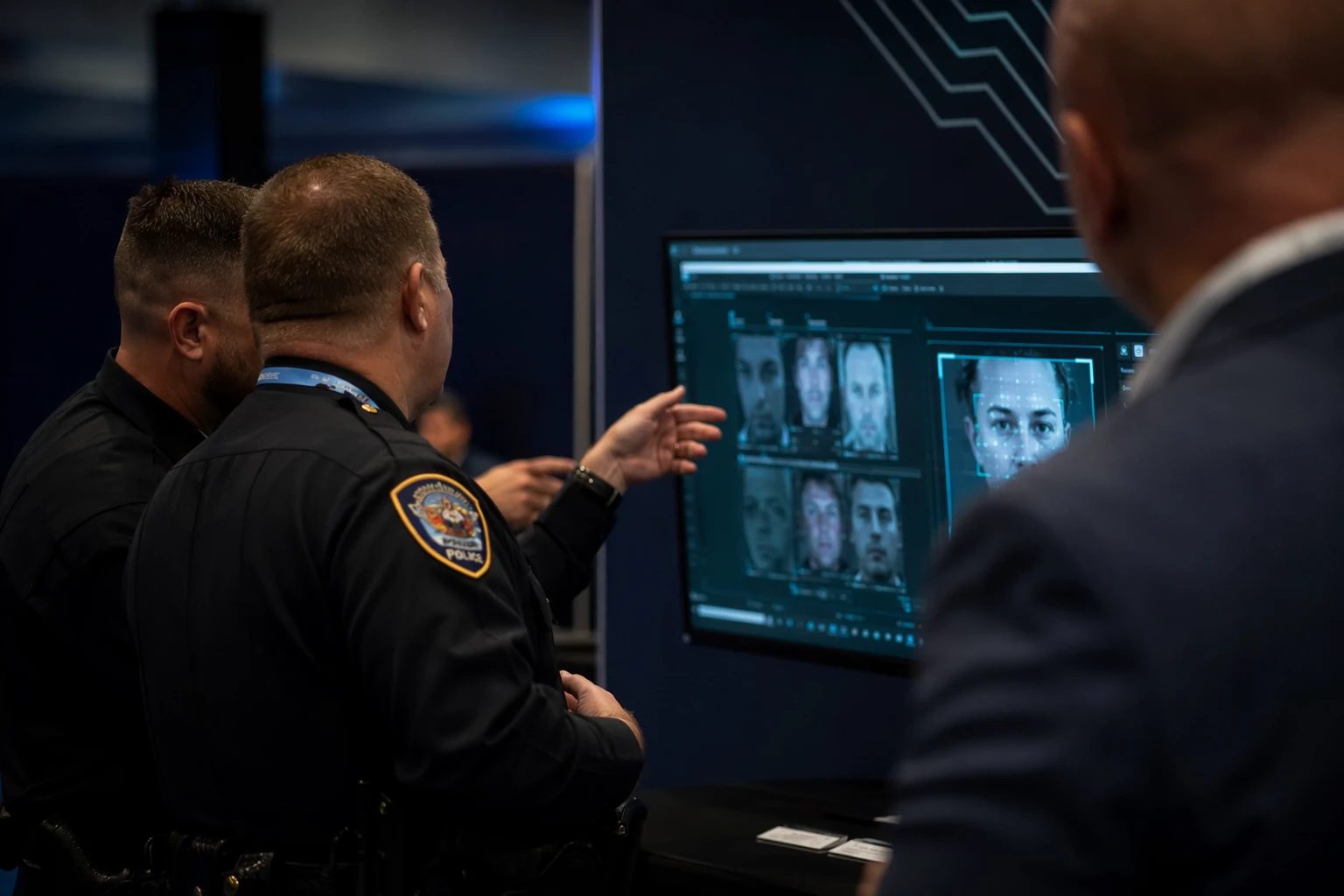
Police chiefs, investigators, officers and prosecutors gathered in Fort Worth, Texas, for the 2026 IACP Technology Conference as AI tools moved from conference pitch to police work already underway. The meeting ran May 19-21 and drew the people most likely to buy, approve or deploy new surveillance and investigative systems.
The International Association of Chiefs of Police describes itself as a professional association for law enforcement worldwide and says it has been launching programs and serving the profession for more than 120 years. In March, IACP said registration and housing were still open for the conference, presenting the event as part of its effort to shape the future of policing.
AI was not a side topic. Police Chief Magazine’s April 2024 issue devoted sections to "Harnessing AI for Public Safety," "Investigative Use of Artificial Intelligence" and "The Future of AI in Policing," signaling how deeply the technology had already entered the law-enforcement conversation. That editorial focus matched a conference aimed at chiefs and prosecutors who influence what gets purchased and what gets used in the field.
The business of policing technology was visible in the exhibitor push around Fort Worth. Constant said it would exhibit at the conference, while Detego Global listed booth 540 at the Fort Worth Convention Center for the May 19-21 event. Those companies were selling tools to public-safety agencies, not offering independent evidence of how well the systems performed once they were put to work.

The adoption was not theoretical in North Texas. On Feb. 3, 2026, the Fort Worth Report said Tarrant County would use AI to investigate online child exploitation, showing how quickly county officials were moving the technology into sensitive criminal investigations. That kind of use puts AI squarely into the parts of policing that can lead to searches, arrests and long-term monitoring.

By the time the Fort Worth conference opened, AI had become both a product and a practice in American policing. Chiefs were being shown tools to buy, while local agencies were already putting them into active investigations, with the most consequential decisions still being made inside professional meetings and county offices.