World
Police Investigate Claims of Islamist Group Behind Europe Arson Attacks
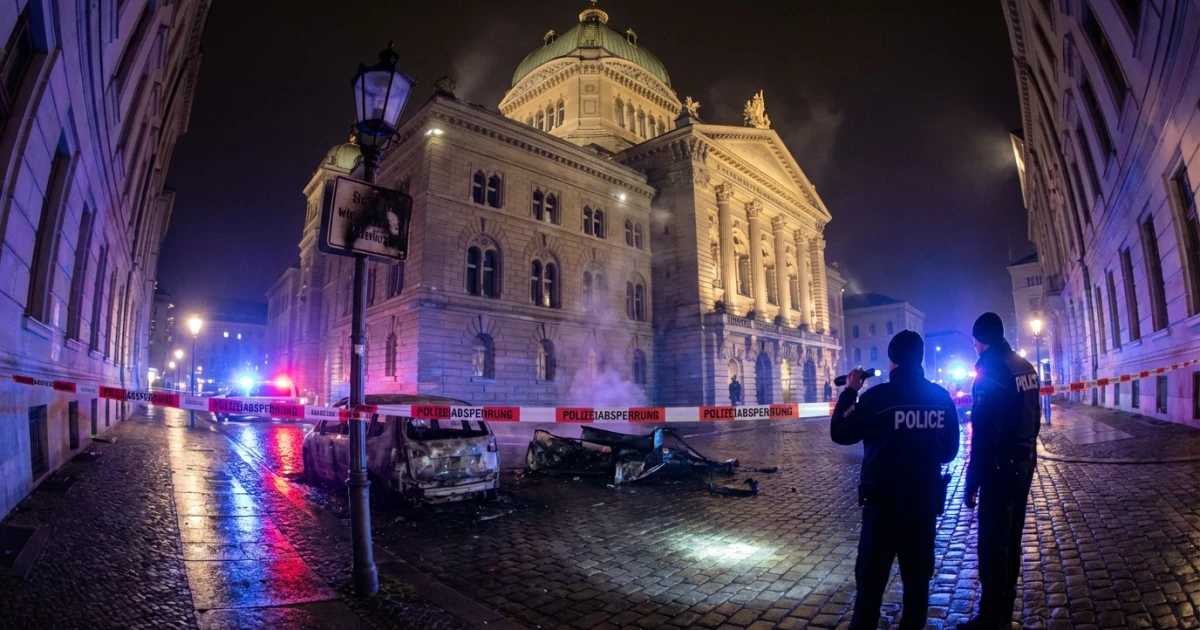
European police are intensifying investigations into a series of arson attacks after a shadowy, pro-Iranian group claimed responsibility for recent incidents across the continent. The group’s assertions have sparked both security concerns and skepticism, as authorities question the authenticity and origins of the organization behind the claims.
Pro-Iranian Group Claims Responsibility
The probe began after a little-known Islamist group, which portrays itself as aligned with Iranian interests, took credit for a series of arson attacks in several European cities. According to the BBC, the group is being described as 'shadowy' due to its limited public presence and the lack of verified leadership or structure.
These claims have raised alarm among European security agencies, given recent trends in Islamist-inspired violence and the geopolitical implications of potential Iranian proxies operating in Europe. However, some sources suggest the group may be a facade, possibly exaggerating or falsely claiming credit for attacks perpetrated by others, in a bid to sow fear or confusion among the public and law enforcement.
Arrests and Ongoing Investigations
As part of the investigation, authorities have arrested three individuals, including a 16-year-old boy, in connection with the arson attacks. While details remain limited, police are working to determine the suspects’ possible affiliations and whether they have direct ties to the alleged pro-Iranian network or were acting independently.
- Recent data on terrorist attacks in Europe indicates that arson remains a common tactic in extremist incidents, though attribution is often complex.
- The Europol TE-SAT 2023 report highlights a rise in claims of responsibility by loosely organized or online-based Islamist groups, often with questionable credibility.
Concerns Over Authenticity and Motives
Security experts and agencies are analyzing whether the pro-Iranian group is genuinely orchestrating these attacks or operating as a front for other entities. The BBC noted that authorities are considering the possibility that the group’s public claims are intended to amplify the psychological impact of the attacks or obscure the real perpetrators. This tactic has been observed in previous incidents where groups claim responsibility for attacks to boost their influence or further geopolitical narratives.
Analysts from the Counter Extremism Project have previously documented cases of Iran-linked groups leveraging propaganda and disinformation in Europe, sometimes overstating their operational reach or involvement in attacks. For readers interested in the broader context of Iranian-linked extremist activities, the Counter Extremism Project’s Iran profile offers a comprehensive analysis.
Broader Context and Implications
The claims come amid heightened concerns about terrorism trends across Europe, with arson attacks and other forms of low-tech violence remaining persistent threats. Law enforcement agencies are closely monitoring how groups leverage online platforms and social media to claim responsibility, recruit sympathizers, or coordinate actions.
The ongoing investigation is part of a wider European effort to track and disrupt extremist networks. The UK Home Office’s official terrorism-related arrest statistics show a continued focus on both domestic and international threats, with young suspects increasingly involved in these cases.
What Happens Next?
Authorities are expected to release further details as the investigation progresses and as they work to verify the group’s claims and the suspects’ connections. The outcome of this probe could shed light on the evolving tactics of extremist groups in Europe, the role of propaganda, and the challenges of attribution in a digitally connected era.
For now, the crucial questions remain: Is this pro-Iranian group a genuine operator with the capacity for coordinated attacks in Europe, or a digital facade amplifying its influence through false claims? Police and intelligence services across the continent are working to find answers, mindful of the broader security implications for European cities.