US News
Police Seized Guns From Mosque Shooter’s Home Before Attack
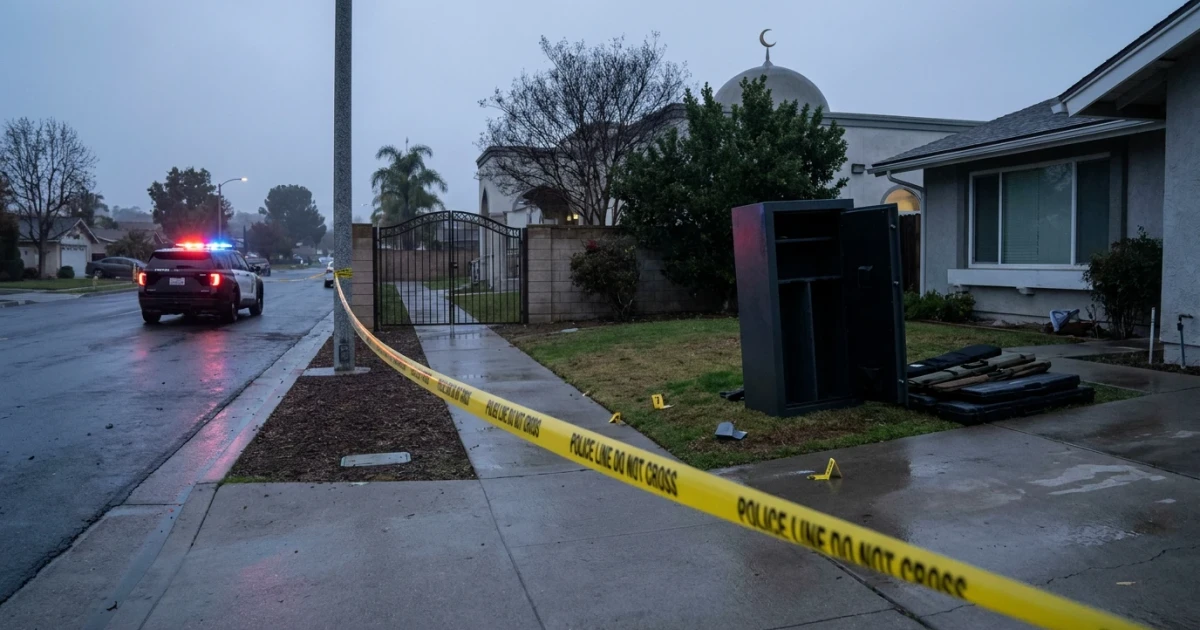
San Diego law enforcement seized firearms from the home of the individual later responsible for the 2026 mosque shooting, raising questions about gun removal laws and their effectiveness in preventing violence.
Police Intervention Prior to the Attack
According to The Washington Post, police in 2025 ordered the removal of firearms from the home of the man who would become the San Diego mosque shooter. The action was taken after authorities became alarmed by the suspect’s behavior and potential threat to public safety. Law enforcement’s decision to act was in line with the use of firearm removal laws, sometimes known as “red flag” laws or Gun Violence Restraining Orders (GVROs) in California.
Details of the Gun Removal
Reports indicate that police were concerned enough about the suspect’s conduct to take the unusual step of seizing firearms not only from his possession but also from his father’s collection. The move was intended to reduce the risk of potential violence. The New York Times also noted that officers acted under the authority of California’s red flag law, which allows family members or law enforcement to seek a court order to remove firearms from individuals deemed a threat.
- California’s GVRO system has been used in thousands of cases since its inception.
- According to the Giffords Law Center, such orders are intended to temporarily remove firearms from people at risk of harming themselves or others.
How Gun Removal Laws Work
Gun violence restraining orders are designed to prevent dangerous individuals from accessing firearms. California’s statute outlines the process for family, household members, or law enforcement to petition a court for the temporary removal of guns. The legal threshold typically requires evidence that a person poses a significant danger to themselves or others by possessing a firearm, as detailed in official court information sheets.
Research published in the Annals of Internal Medicine found that in many instances, these orders have been used to prevent mass shootings and suicides, though their effectiveness depends on follow-through and the subject’s access to weapons elsewhere.
Limitations and Ongoing Debates
Despite the intervention, the San Diego mosque shooter later carried out the attack in 2026. This incident highlights ongoing debates over the scope and enforcement of gun removal laws. While police acted to limit the individual’s access to firearms, it remains unclear how the shooter was later able to obtain a weapon used in the crime—a question still under investigation.
Experts note that while red flag laws can be effective tools, they are not a guarantee. The RAND Corporation has pointed out that enforcement gaps, lack of follow-up, and potential for individuals to acquire guns by other means can limit the impact of these orders.
Looking Forward
This case underscores the complexities surrounding gun violence prevention and the need for continual assessment of legal and procedural safeguards. Data from the Centers for Disease Control and Prevention show that firearm-related homicides remain a significant concern in the United States, fueling ongoing discussion about the balance between public safety and individual rights. As the investigation continues, policymakers and advocates will likely reassess how red flag laws are implemented and enforced to maximize their protective potential.