Health
Polio Remains a Concern for International Travelers
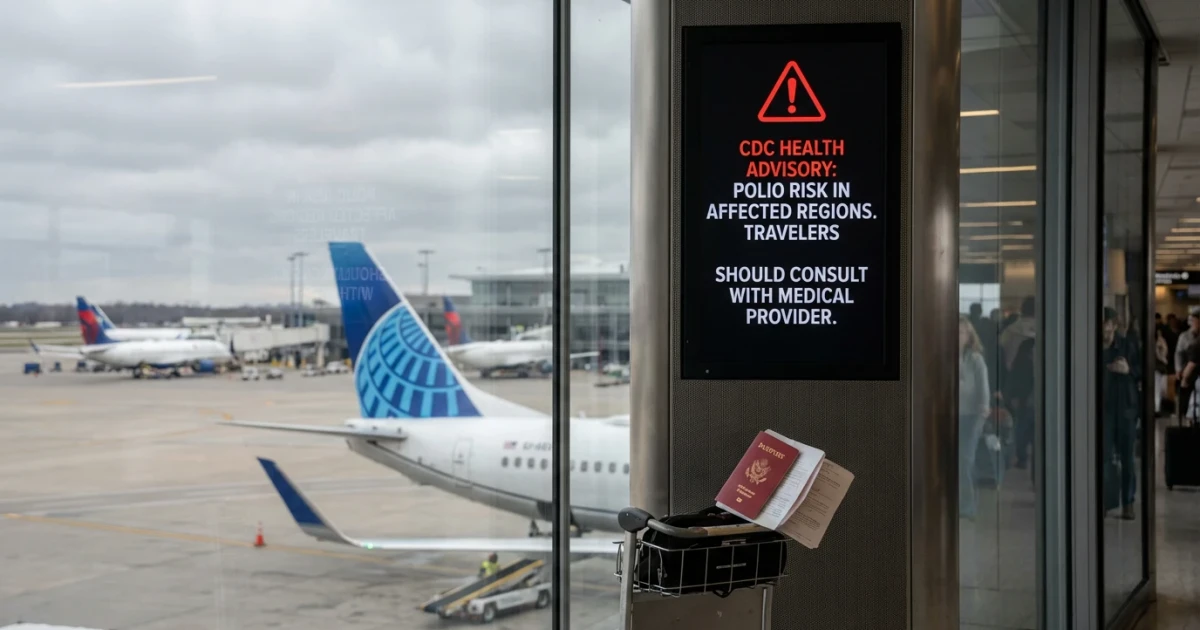
Polio, once a feared disease now largely eliminated in the United States and much of the world, remains a threat in certain regions—prompting the Centers for Disease Control and Prevention (CDC) to issue a travel advisory for more than two dozen countries. As international travel rebounds, understanding the current risks and preventive steps is essential for those planning trips abroad.
Current Polio Risks and Affected Regions
While the U.S. has had no endemic polio cases since 1979, the virus continues to circulate in some parts of the world. The CDC’s recent advisory highlights that travelers to over two dozen countries—including parts of Africa, Asia, and the Middle East—may face elevated risks of exposure to polio. According to the Global Polio Eradication Initiative, wild poliovirus transmission remains endemic in Afghanistan and Pakistan, with periodic outbreaks reported in other regions due to vaccine-derived strains.
- The World Health Organization’s latest data shows that while global case numbers remain low, sporadic outbreaks still occur, including in countries considered polio-free for years.
- CDC travel advisories are updated frequently based on ongoing surveillance and emerging outbreaks. The complete list of affected countries can be found on the CDC’s polio vaccination page for travelers.
Polio Vaccination Requirements for Travelers
The CDC recommends that all travelers be fully vaccinated against polio. For adults, this means completing the inactivated polio vaccine (IPV) series during childhood and receiving an adult booster if traveling to areas with active transmission. Some countries require proof of polio vaccination for entry or exit, especially during outbreaks. According to the CDC’s guidance:
- Travelers visiting affected countries should receive a one-time adult booster dose of IPV, even if they were vaccinated as children.
- Documentation—such as an International Certificate of Vaccination or Prophylaxis—may be requested by border authorities.
Parents should ensure children are up to date with all recommended polio immunizations before travel. The CDC’s recommendations align with European and global health authorities, who emphasize vaccination as the first line of defense against travel-related polio risks.
Understanding Polio and Its Continued Threat
Polio is a highly infectious viral disease that can cause paralysis and, in severe cases, be fatal. While most people infected with poliovirus are asymptomatic, a small percentage develop neurological complications. The virus spreads primarily through contaminated food and water—making it a risk in areas with poor sanitation.
The United States eliminated endemic polio transmission in 1979 thanks to widespread vaccination campaigns. However, as long as polio exists anywhere, the risk of importation remains—a lesson underscored by past outbreaks in countries considered polio-free.
Steps for Safe International Travel
- Check the CDC and WHO websites for up-to-date polio advisories and vaccination requirements before booking travel.
- Consult a healthcare provider at least 4-6 weeks before departure to review your vaccination status and receive any necessary boosters.
- Carry official vaccination documentation, especially when visiting countries with recent polio cases or active outbreaks.
- Practice good hygiene, including frequent handwashing and consuming safe water, to reduce infection risk.
Looking Ahead
Ongoing global eradication efforts have brought polio to the brink of elimination, but the disease’s persistence in some regions underscores the importance of vigilance for travelers. By staying informed and up to date on vaccinations, individuals can protect themselves and help prevent the reintroduction of polio to polio-free areas.
For the most current information on polio cases, vaccination coverage, and travel advisories, consult the WHO Weekly Epidemiological Record and the CDC’s official resources.