US News
Polish engineer Thaddeus Kosciuszko helped win American independence
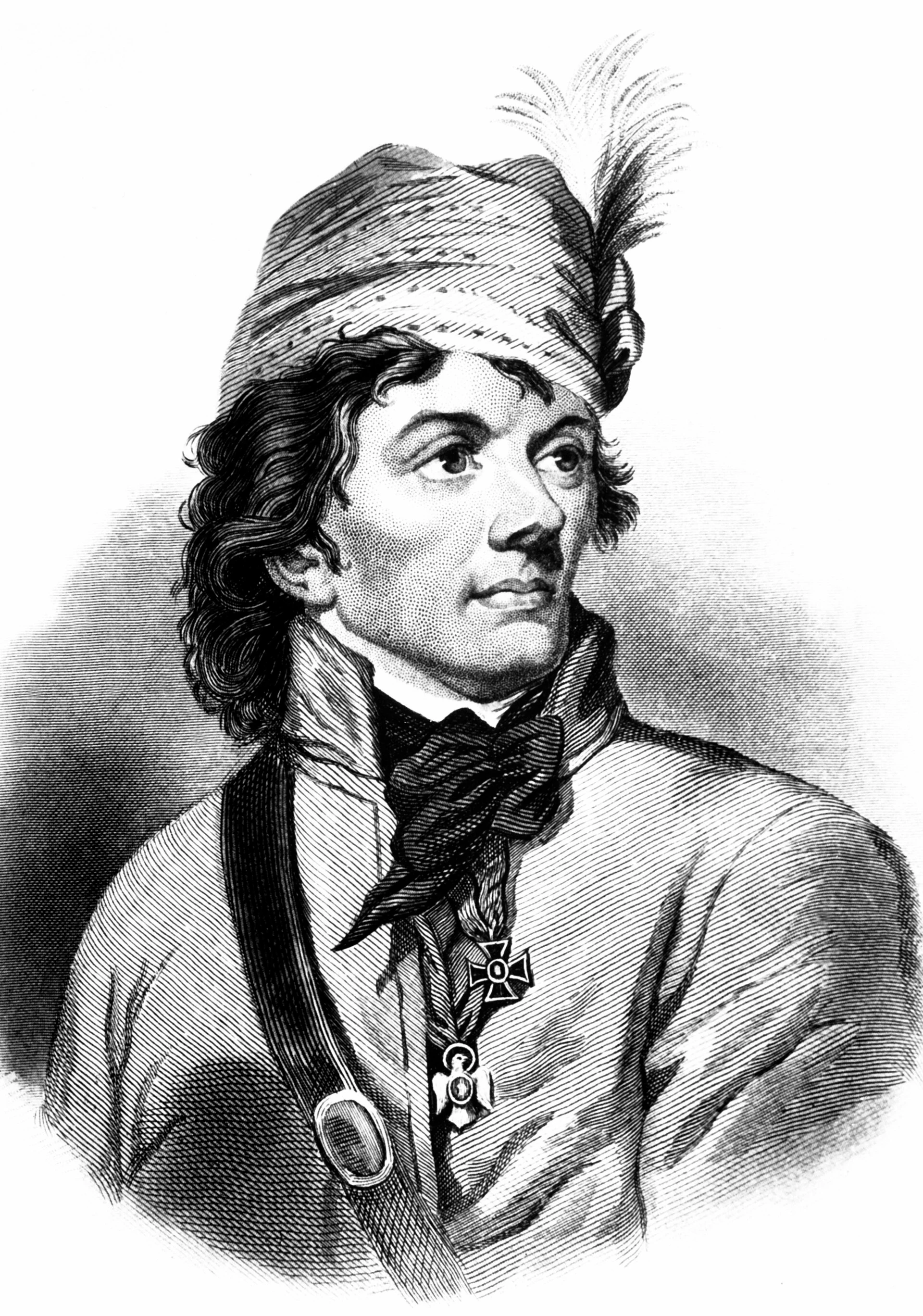
Thaddeus Kosciuszko, born in Poland on February 4, 1746 and dead by 1817, was not a side note in the Revolutionary War. He was a military engineer whose fortifications helped George Washington’s army hold key ground against Britain, first at Saratoga and later at West Point. His story cuts against any simplified, purely homegrown version of the founding and shows how deeply international the fight for independence really was.
A Polish engineer in Washington’s army
Kosciuszko is known under several names, including Tadeusz Kościuszko and Andrzej Tadeusz Bonawentura Kościuszko, but the role he played in America is clear enough in the records of the U.S. National Park Service and the National Museum of the United States Army. He was appointed a colonel of engineers on October 18, 1776, a rank that placed him at the center of the Continental Army’s defensive planning at a moment when the revolution still hung in the balance.
That appointment mattered because the American forces needed more than courage and manpower. They needed people trained to turn terrain into advantage, to read rivers, slopes, and chokepoints, and to build works that could hold against a better-equipped British army. Kosciuszko brought that technical skill from abroad, and Washington used it where it counted most.
Saratoga and the power of field engineering
Kosciuszko’s best-known contribution came during the Saratoga Campaign in 1777. At Saratoga, in what is now upstate New York, he designed and laid out defenses that the National Museum of the United States Army describes as making the American position nearly impregnable. That engineering work helped stiffen the American line in a campaign the National Park Service describes as a turning point in the Revolutionary War.
The result was not just a tactical success. British Gen. John Burgoyne’s defeat at Saratoga led to the surrender at Saratoga in October 1777, one of the defining reversals of the war. Fortifications, earthworks, and smart positioning gave Washington’s side the staying power to force that outcome, and Kosciuszko’s name belongs in that chain of cause and effect.
Saratoga’s importance is often reduced to a battlefield victory, but the deeper story is about capability. Kosciuszko did not command armies in the conventional sense; he shaped the ground beneath them. That kind of expertise, imported from Europe and adapted to American terrain, was central to how the revolution moved from fragile resistance to credible state-building.
West Point and control of the Hudson River
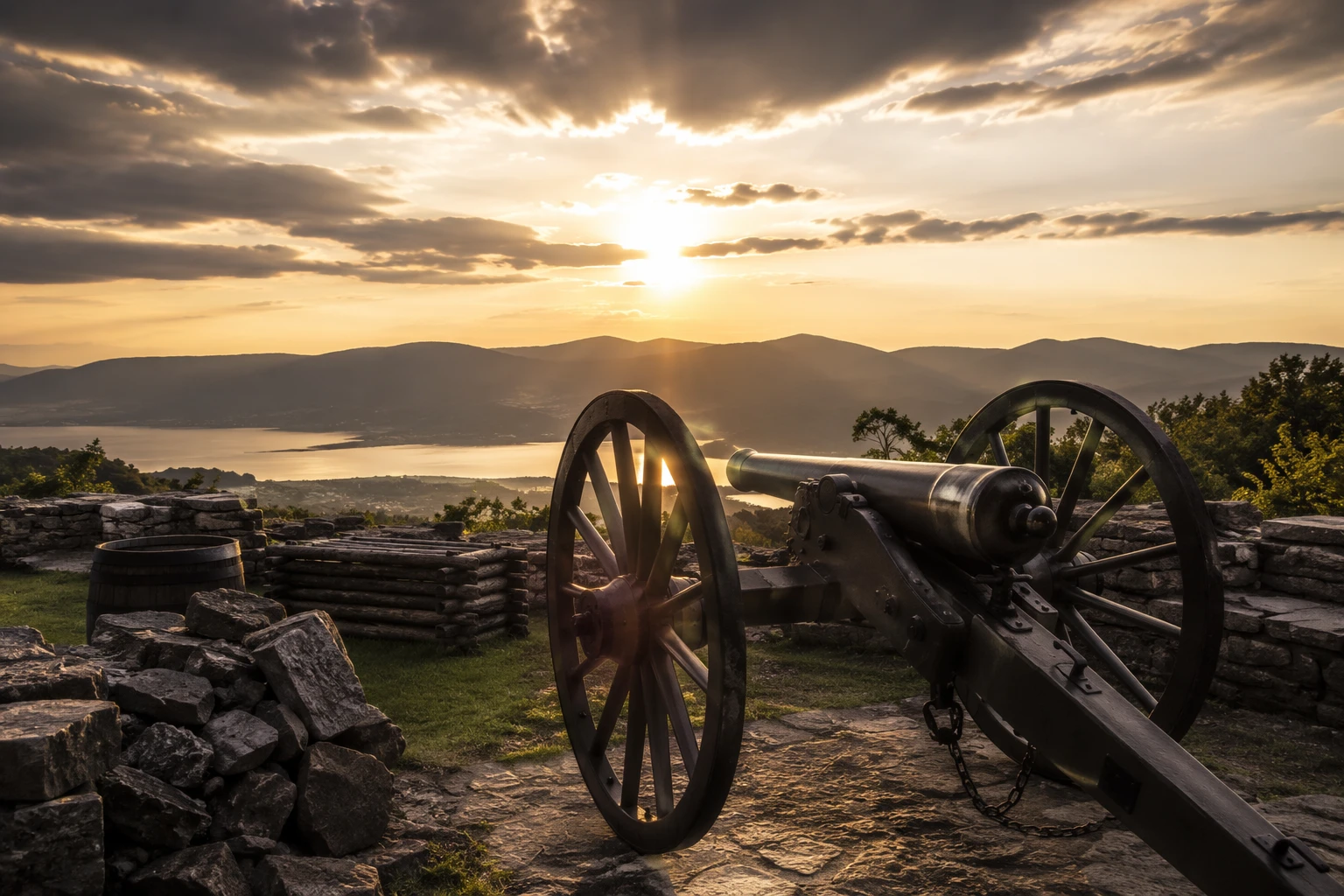
After Saratoga, Kosciuszko’s engineering work continued at West Point, where he strengthened the defenses that made the post strategically valuable on the Hudson River. The National Park Service connects him directly to that effort, and for good reason: West Point controlled a critical corridor through the Hudson Valley, a river route that could split the colonies if the British held it.
Here again, the Revolution depended on a specialist’s eye. West Point was not important only because of the troops stationed there. It mattered because fortifications on the heights above the Hudson could deny an enemy passage, protect communications, and preserve the continuity of the Patriot war effort. Kosciuszko’s work helped turn geography into military leverage.
That legacy makes him more than a heroic individual. It shows that the founding was built with transatlantic expertise, not just colonial grit. A Polish-born engineer helped shape the terrain that made American independence possible, and the country’s own institutions now preserve that fact in the places tied to his service.
How the United States remembers him
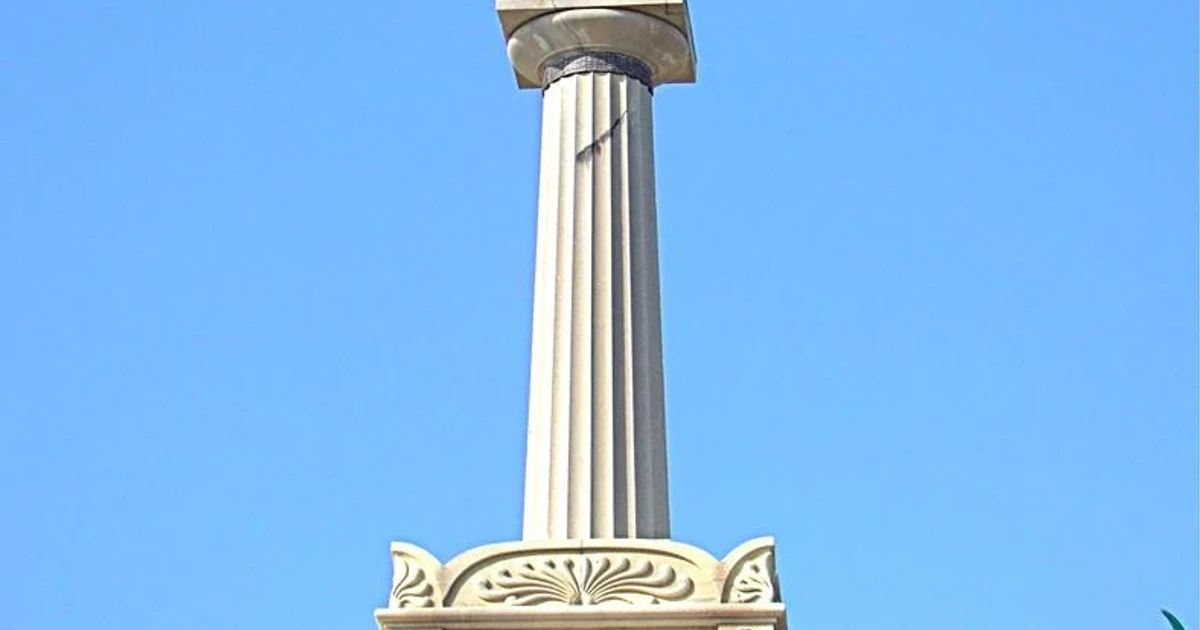
Kosciuszko’s place in American memory is not limited to battlefield interpretation. The Thaddeus Kosciuszko National Memorial in Philadelphia was established by Public Law 92-524 on October 21, 1972, specifically to preserve a memorial to the Polish patriot and hero of the American Revolution. The memorial opened to the public in February 1976, putting a permanent national marker on a life that crossed borders and helped define a republic.
Philadelphia is a fitting home for that remembrance. It ties Kosciuszko’s service to the political center of the Revolution while also underscoring a broader truth about the founding era: the new nation was shaped by people who came from elsewhere and applied their skills here. The memorial’s creation in the 1970s also reflected a more explicit effort to honor figures whose contributions had long sat in the shadow of more familiar American names.
Why his legacy still matters
Kosciuszko is recognized by multiple institutions that preserve Revolutionary War history, including Saratoga National Historical Park, Ninety Six National Historic Site, the National Museum of the United States Army, the National Park Foundation, and the American Battlefield Trust. They consistently describe him as an important military engineer and a key figure in the American victory at Saratoga and the broader Revolution.
That institutional consensus matters because it moves his story out of the category of colorful footnote. Kosciuszko’s career shows how the Revolution relied on talent that was international in origin and practical in application. He was a Polish patriot, but he was also part of the American victory machine, using engineering to turn vulnerable positions into defensible ones.
His life, spanning from 1746 to 1817, captures a central truth about independence: it was won not just by native-born revolutionaries, but by immigrants whose knowledge helped make resistance effective.
Sources
- [1]cbsnews.com
- [2]nps.gov
- [3]thenmusa.org
- [4]battlefields.org
- [5]pubs.nps.gov