Politics
Pollard says next chancellor must find funds for defence gap

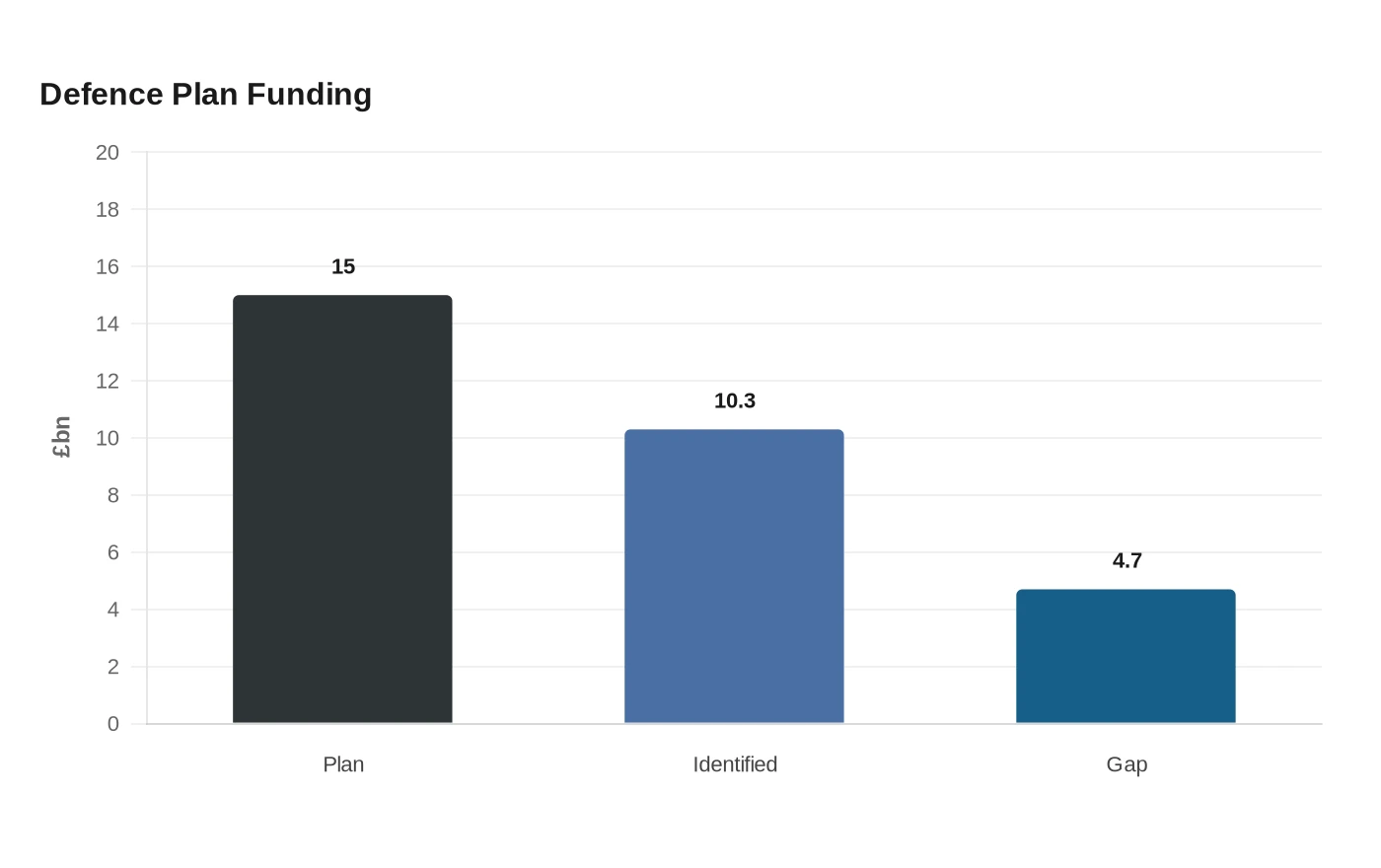
Luke Pollard said the next chancellor, “whoever that may be,” will have to “find the resources” to cover a £4.7 billion gap in Sir Keir Starmer’s £15 billion Defence Investment Plan. Rachel Reeves has identified only £10.3 billion of the package so far, leaving the remaining sum to be confirmed at Budget 2026.
The numbers expose the fiscal choice at the heart of the row. If the money is not found inside existing plans, the next chancellor will have to decide whether to trim other spending, raise taxes or borrow more to keep the defence pledge intact. That makes the gap more than an accounting issue: it is a test of whether Labour’s defence rhetoric is moving faster than the budget can support.

Pollard said he only saw the funding breakdown on the day it was published and suggested it was “not unusual” for governments to leave some details to be settled at a later budget. He also said Downing Street had kept Andy Burnham’s team involved in the process, after criticism that Burnham could inherit the shortfall if he becomes prime minister and has to handle it in his first budget.
The political fallout has sharpened the dispute over who would ultimately pay. Former Tory defence secretary Sir Liam Fox called the inheritance a “poisoned chalice,” while Defence Secretary Dan Jarvis denied the gap was a deliberate challenge to Burnham. The exchange has turned a funding issue into a wider argument about whether Labour is promising more on defence than it has actually locked in.
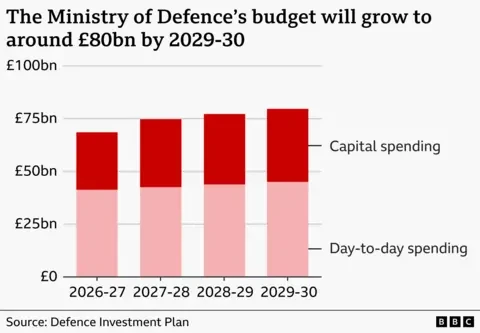
The pressure is not limited to the £15 billion plan. John Healey has warned that the government’s final settlement of 2.7% of GDP is not enough for defence and urged ministers to set a date for reaching 3%. Starmer has separately committed to spending 3.5% of GDP on core defence by 2035.
A recent Public Accounts Committee report said the delay to the Defence Investment Plan has undermined the United Kingdom’s credibility with allies, while also risking the pace of military modernisation. Industry groups have gone further, saying the hold-up is already causing contract suspensions and funding delays for defence firms, a sign that the gap is being felt beyond Westminster and into the wider defence economy.
Sources
- [1]bbc.co.uk
- [2]independent.co.uk
- [3]news.sky.com