World
Pope Leo Addresses Witchcraft Fears on Africa Tour
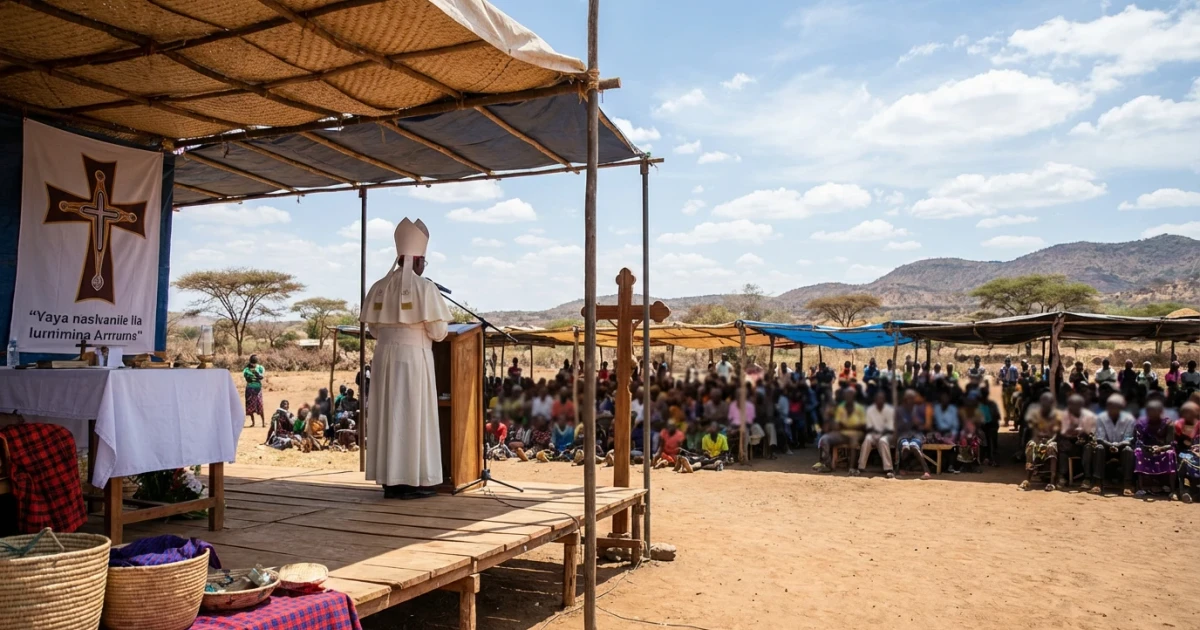
Pope Leo has taken a bold step during his recent tour of Africa, using his growing global presence to address one of the continent’s most sensitive issues: the persistence of sorcery beliefs and their impact on the spread of Catholicism. The Washington Post reports that the pontiff, often considered a 'quiet' leader, adopted a notably confident and outward-facing tone while engaging communities across several African nations.
Confronting Sorcery: A Central Challenge for Catholicism
While Christianity has seen rapid growth in Sub-Saharan Africa, the Catholic Church continues to wrestle with the lingering influence of witchcraft and traditional beliefs. These practices, deeply woven into the fabric of local societies, have often complicated evangelization efforts and, in some cases, led to social discord or violence. The Washington Post highlights that Pope Leo’s visit was strategically aimed at this complex intersection of faith, culture, and superstition.
Pope Leo’s Newfound Confidence on the World Stage
Traditionally viewed as a reserved figure, Pope Leo’s recent Africa trip marked a shift in his public demeanor. The Washington Post notes that he spoke out with unusual directness, seeking to reassure both Catholic communities and the wider public that the Church respects African traditions but firmly rejects practices that harm individuals or undermine social harmony. The pontiff’s speeches emphasized the dignity of every person and the need for compassion rather than fear.
A Growing Community Facing Old and New Tensions
- Africa has one of the fastest-growing Catholic populations in the world, as shown by recent statistics.
- Yet, beliefs in witchcraft remain common in many rural and urban areas, sometimes resulting in accusations, ostracism, or even violence, as discussed in studies on witchcraft accusations and Christianity in Africa.
- The Catholic Church’s stance has often been to walk a fine line—encouraging respect for culture while condemning harmful superstitions.
Pope Leo’s approach appears to blend pastoral sensitivity with clear condemnation of practices that threaten human rights, echoing the Church’s long-standing efforts to address these issues without alienating potential converts or local leaders.
Implications for the Church’s Mission in Africa
By tackling the topic of sorcery head-on, Pope Leo is signaling that the Church is prepared to engage candidly with the unique challenges it faces in Africa. This aligns with broader Vatican strategies to support local clergy and lay leaders as they navigate difficult social terrain. The pope’s confident stance may also empower African Catholics to address witchcraft-related problems more openly within their communities.
Looking Forward: Dialogue and Growth
Observers note that Pope Leo’s Africa tour could mark a turning point for the Church’s relationship with the continent. As Catholicism continues to expand in Africa, the challenge will be to maintain respectful interfaith and intercultural dialogue, even as the Church takes a firmer position against practices deemed incompatible with its teachings.
The Vatican’s official records of the pope’s journeys, including speeches and program details, provide further insight into the evolving role of the papacy in global affairs. Ultimately, Pope Leo’s confident voice on the world stage could help shape the future of Catholicism in Africa—and beyond—as the Church seeks both growth and reconciliation in an era of rapid change.