World
Pope Leo faces early test from traditionalist Catholic backlash
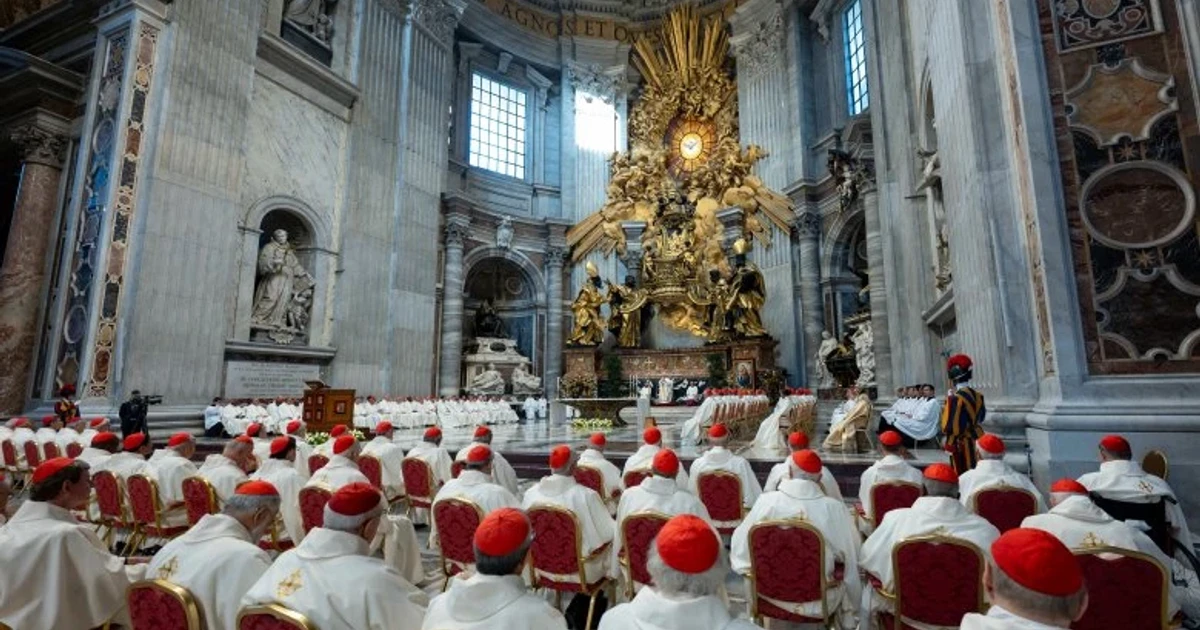
Pope Leo XIV used a 26 June concelebration with cardinals in St. Peter’s Basilica to press a message of unity just as traditionalist Catholics began lining up for a confrontation over the Church’s direction. At an extraordinary consistory, he framed the Church’s task as recognizing God’s presence in history and resisting a culture of power in favor of a civilization of love.
The early stakes are broader than one Vatican ceremony. The Vatican’s 2026 homilies page shows Leo has already presided over major liturgies and addresses in June, including a pastoral visit to Pavia and apostolic journeys to Spain, Algeria, Cameroon, Angola and Equatorial Guinea. The same official records also show several 2025 motu proprio texts, a sign that his pontificate has already moved into curial and governance questions before many lines of conflict have hardened.
Traditionalist anger did not begin with Leo. Pope Francis’s 2021 restrictions on the celebration of the Traditional Latin Mass remain one of the main grievances driving conservative and ultratraditionalist Catholics, especially those who see the old rite as more than a stylistic preference. For them, disputes over liturgy have long been a proxy for deeper arguments about authority, doctrine and who gets to shape the Church’s future.
That tension has a long institutional history. Pope Benedict XVI created the Personal Ordinariates as a home for former Anglicans unsettled by women bishops in the Church of England and other changes, showing that Rome has previously made room for conservatives who wanted to remain in communion with the pope. The broader lesson is that the Vatican has repeatedly tried to manage dissent without breaking doctrinal continuity or sacrificing institutional unity.
This is why Leo’s first clash with the Church’s radical right would matter far beyond Vatican walls. Traditionalist Catholics are not a fringe internet mood; they are a visible constituency within global Catholicism, and their disputes over liturgy and governance have repeatedly spilled into battles over episcopal appointments, local practice and obedience to Rome. Bishops, priests and lay Catholics across national churches will read Leo’s response as a signal of how much room there is for dissent under his papacy. If the argument over the Latin Mass widens, it will become an early test of whether Leo can keep unity from collapsing into managed silence.
Sources
- [1]nytimes.com
- [2]vatican.va
- [3]apnews.com