Technology
Pope Leo Forms AI Commission Amid Growing Ethical Concerns
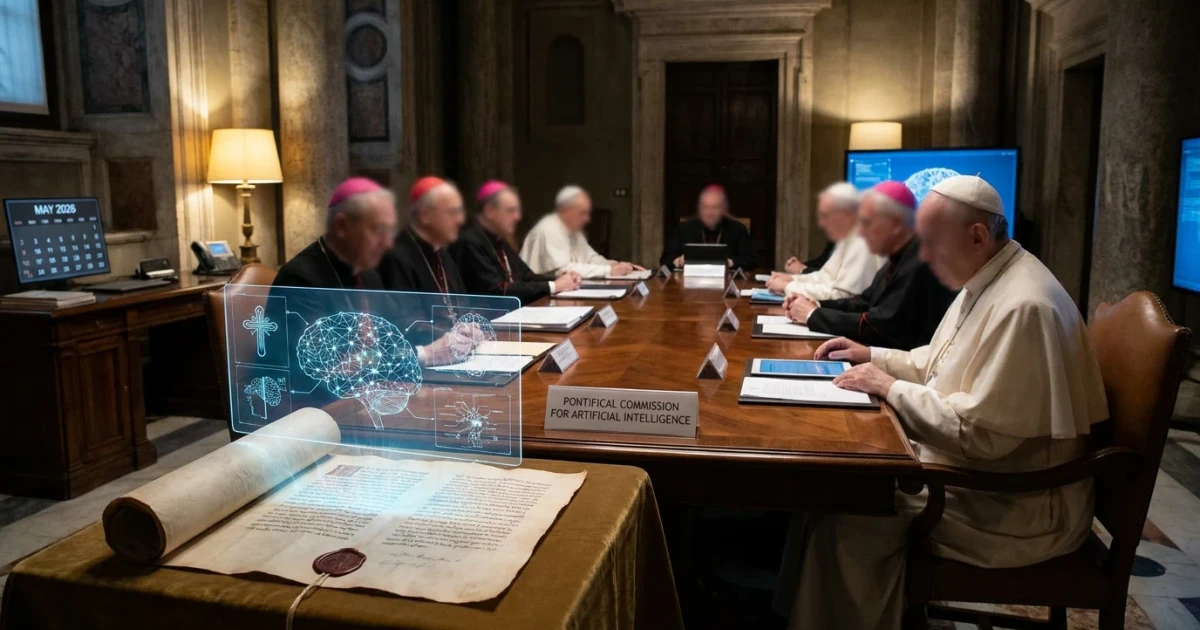
Pope Leo has announced the formation of a new commission dedicated to artificial intelligence, expressing concern that unchecked technological advancement may turn individuals into “passive consumers of unthought thoughts and anonymous products without ownership or love.” This initiative underscores increasing global apprehension about AI’s influence on society and the ethical challenges it poses.
The Vatican’s Response to AI’s Societal Impact
The move comes as AI technologies rapidly permeate everyday life, from personalized recommendations to automated content generation. The Vatican’s Pontifical Academy of Sciences has previously hosted conferences and published statements on the subject, but Pope Leo’s decision marks a more proactive approach, aiming to address ethical dilemmas and preserve human agency.
Concerns Over Passivity and Ownership
- Loss of individual thought: Pope Leo’s warning reflects fears that AI could undermine personal reflection, leading people to rely on technology for ideas rather than engaging in critical thinking themselves.
- Anonymity in consumption: The pontiff’s statement highlights a shift toward consuming products and content generated by AI, which may lack personal ownership or emotional connection.
- Potential for societal disengagement: These concerns are echoed in recent surveys showing that many Americans worry about automation leading to social isolation and loss of meaningful work.
Global Context: AI Ethics and Policy
Pope Leo’s commission will join a growing chorus of organizations addressing AI’s ethical challenges. The UNESCO Recommendation on the Ethics of Artificial Intelligence serves as a global framework, emphasizing transparency, accountability, and respect for human dignity in AI development. Similarly, OECD country dashboards reveal varied approaches to regulation, with some nations prioritizing safety and others focusing on innovation.
Vatican’s Unique Perspective
While secular bodies often focus on data privacy and bias, the Vatican is framing AI as a spiritual and philosophical issue, stressing the importance of love, ownership, and intentionality in human activity. This commission is expected to collaborate with experts in science, ethics, and theology to produce guidelines that balance technological progress with the preservation of human values.
Forward-Looking Analysis
The Vatican’s initiative may encourage other faith and civil society groups to engage more deeply with AI ethics. As automation and machine learning continue to expand, the challenge will be ensuring technology contributes to human flourishing rather than eroding personal agency and meaningful relationships.
For readers interested in following the commission’s work and broader discussions on AI’s impact, the Stanford AI Index Report and European Parliament studies offer data and analysis on how AI is shaping society, education, and work.
The Vatican’s commission signals a turning point in the global conversation about artificial intelligence, placing human values and ethical concerns at the forefront as technology continues to advance.