Technology
Pope Leo Raises Concerns on AI’s Impact on Humanity
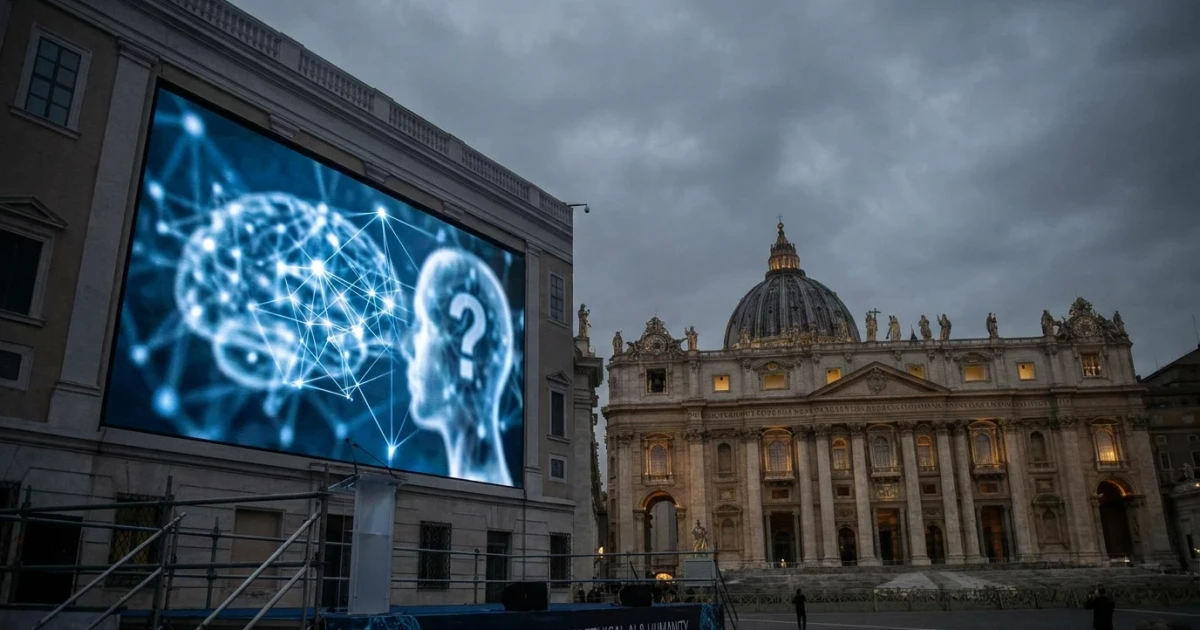
Pope Leo has issued a public warning about the potential societal risks posed by artificial intelligence, urging world leaders, technologists, and citizens to address what he calls the "dehumanizing" effects of rapid AI development. The Pope’s remarks add to a growing international debate over how to responsibly guide the evolution of AI while safeguarding human dignity.
Concerns Over Dehumanization
The Pope’s comments, reported by Dallas News, emphasized the importance of keeping human values at the center of technological progress. He warned that the unchecked rise of AI could lead to outcomes where people are treated more like data points than individuals, risking a loss of empathy and personal connection in society. These concerns echo research from the European Parliament, which highlights how AI can affect human rights, democracy, and the rule of law if not guided by clear ethical frameworks.
Global Calls for Ethical Guidelines
Pope Leo’s warning comes as governments and international organizations debate how best to regulate AI. The UNESCO Recommendation on the Ethics of Artificial Intelligence has already set forth principles intended to ensure that AI supports—not undermines—human dignity and autonomy. These recommendations urge transparency, accountability, and the participation of diverse voices in AI governance.
- The AI Index Report from Stanford University shows that the adoption of AI technologies in critical sectors is accelerating, with applications ranging from healthcare to justice systems.
- According to Our World in Data, global investment in AI reached record highs in recent years, underscoring the urgency of responsible oversight.
- The OECD AI Policy Observatory tracks national policies, with many countries introducing new regulations focused on transparency and fairness in AI systems.
Public Sentiment and Societal Impact
Public opinion on AI remains cautious. The Pew Research Center found that while Americans see potential benefits in AI, many worry about reduced human interaction, bias, and ethical risks. Expert analysis from the Brookings Institution underscores that fears of "dehumanization" are not just theoretical: growing automation can erode traditional sources of meaning and connection in work and social life.
Balancing Innovation and Ethics
As AI technologies become more powerful and pervasive, balancing innovation with ethical safeguards is a central challenge. Pope Leo’s intervention aligns with the views of many experts who call for multidisciplinary, global dialogue on AI’s future—one that includes religious, cultural, and civil society perspectives. The Pope’s warning aims to ensure that, as AI advances, it does so in ways that respect human rights, protect vulnerable groups, and preserve the moral fabric of society.
Moving forward, the conversation around AI is likely to intensify, with religious leaders, policymakers, and technologists collaborating to craft guidelines that foster both innovation and humanity. As AI continues to shape our world, maintaining a focus on ethical principles will be essential to prevent the technology from undermining the very qualities that make us human.