World
Pope Leo urges leaders to fund hunger relief, not wars
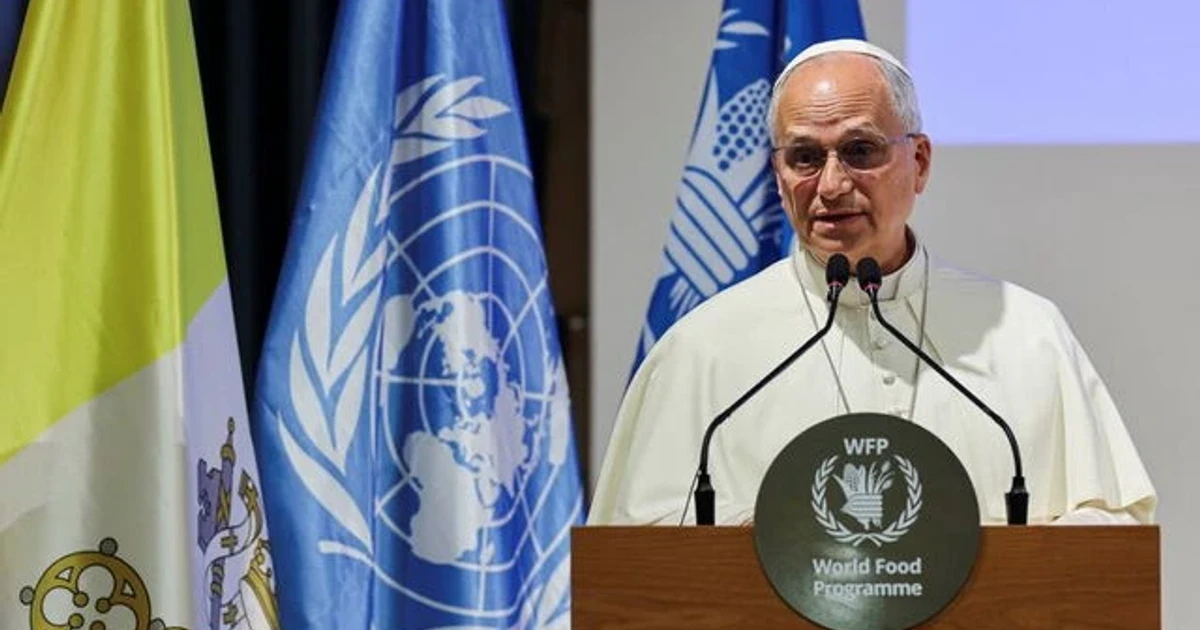
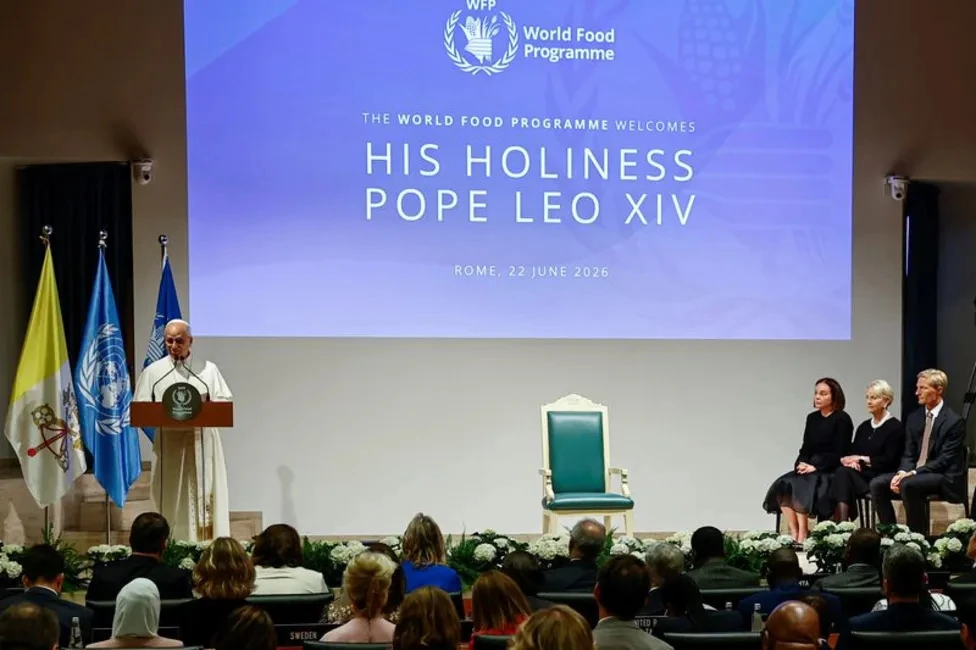
Pope Leo used a visit to the Rome headquarters of the World Food Programme to confront global leaders with a stark moral choice: finance war, or fund hunger relief. Speaking at the agency’s annual executive board session, he said the balance of political and moral priorities was badly skewed as governments continued to pour resources into conflict while humanitarian needs went unmet.
Leo said world leaders were “feeding” wars instead of the hungry, a line that framed the debate in both ethical and budgetary terms. He urged governments to increase spending to fight hunger and warned against putting food aid behind geopolitical calculations. He also said access to food was a fundamental right and lamented that humanitarian crises were being pushed into a secondary place in international priorities.
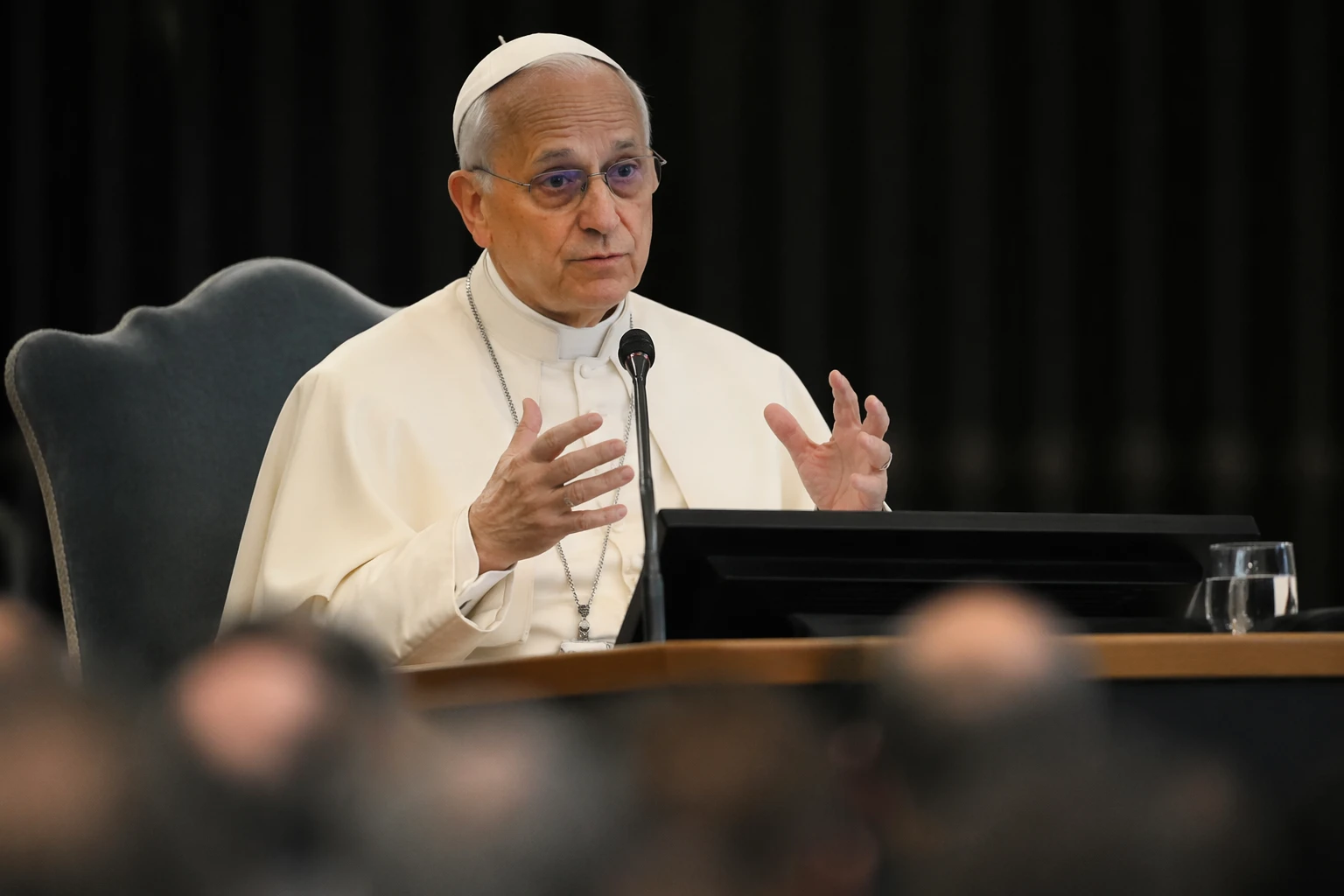
The setting gave his remarks immediate weight. The World Food Programme is the world’s largest food-aid provider, and its work is under strain as conflicts multiply and fiscal pressure tightens humanitarian budgets. Leo did not name any leader, but his criticism landed squarely on governments that say they cannot afford relief while continuing to protect military and security spending.
The United States loomed over the discussion as the WFP’s biggest donor. Washington announced a new $800 million contribution last week after earlier cuts by President Donald Trump had more than halved planned U.S. funding. That sequence underscored the practical stakes behind Leo’s argument: when the largest donor shifts course, the agency’s ability to respond to famine and acute food insecurity changes with it.
Leo’s message also pointed to a broader policy contradiction that now runs through the aid system. Many governments present national security, economic growth and domestic stability as urgent priorities, yet those goals lose force if conflict and hunger continue to spread. The pope’s intervention made that conflict explicit, casting hunger relief not as charity, but as a test of whether the international system still treats human survival as a first-order obligation.
Sources
- [1]usnews.com