US News
Pope Leo XIV accepts Liberty Medal for defending religious freedom
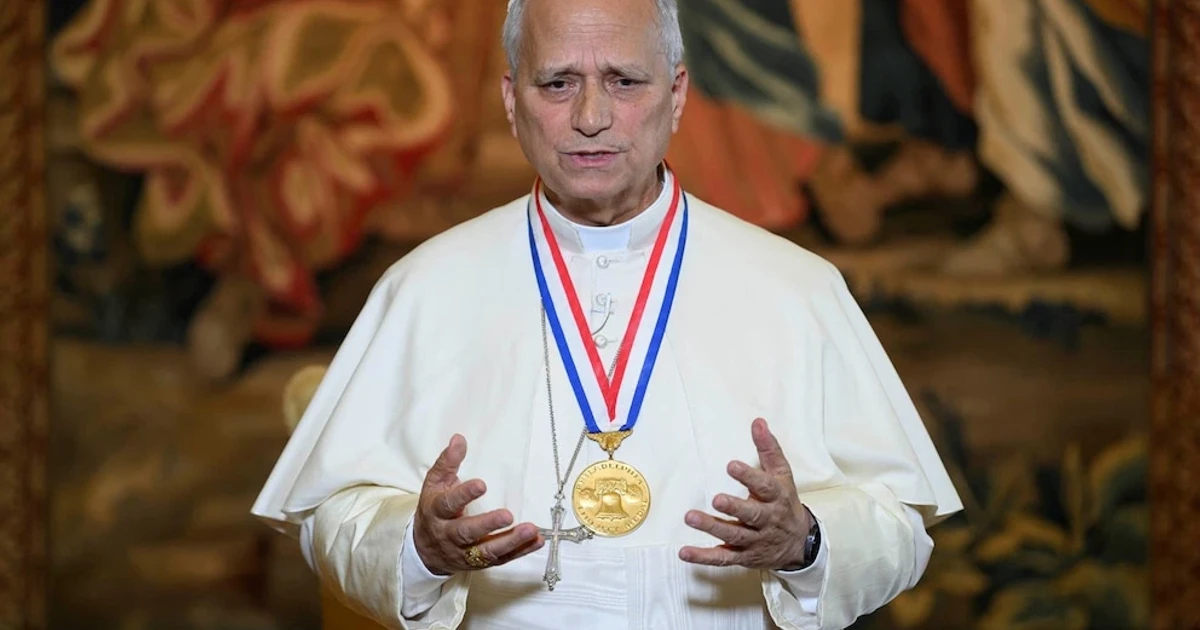
Pope Leo XIV accepted the National Constitution Center’s 38th annual Liberty Medal virtually from the Vatican on July 3, 2026, as Philadelphia stood on Independence Mall, steps from Independence Hall, and the country moved into the eve of its 250th anniversary. The ceremony placed the Catholic Church’s first American pope at the center of a national milestone that mixed civic pageantry, faith, and a sharp appeal for unity.
The Constitution Center said it honored Pope Leo for lifelong work promoting religious liberty and freedom of conscience and expression around the world. The medal, established in 1988 to commemorate the bicentennial of the U.S. Constitution, was first awarded in 1989 to Lech Walesa. Only one other religious leader had received it before: the 14th Dalai Lama in 2015 for his advocacy for human rights worldwide.
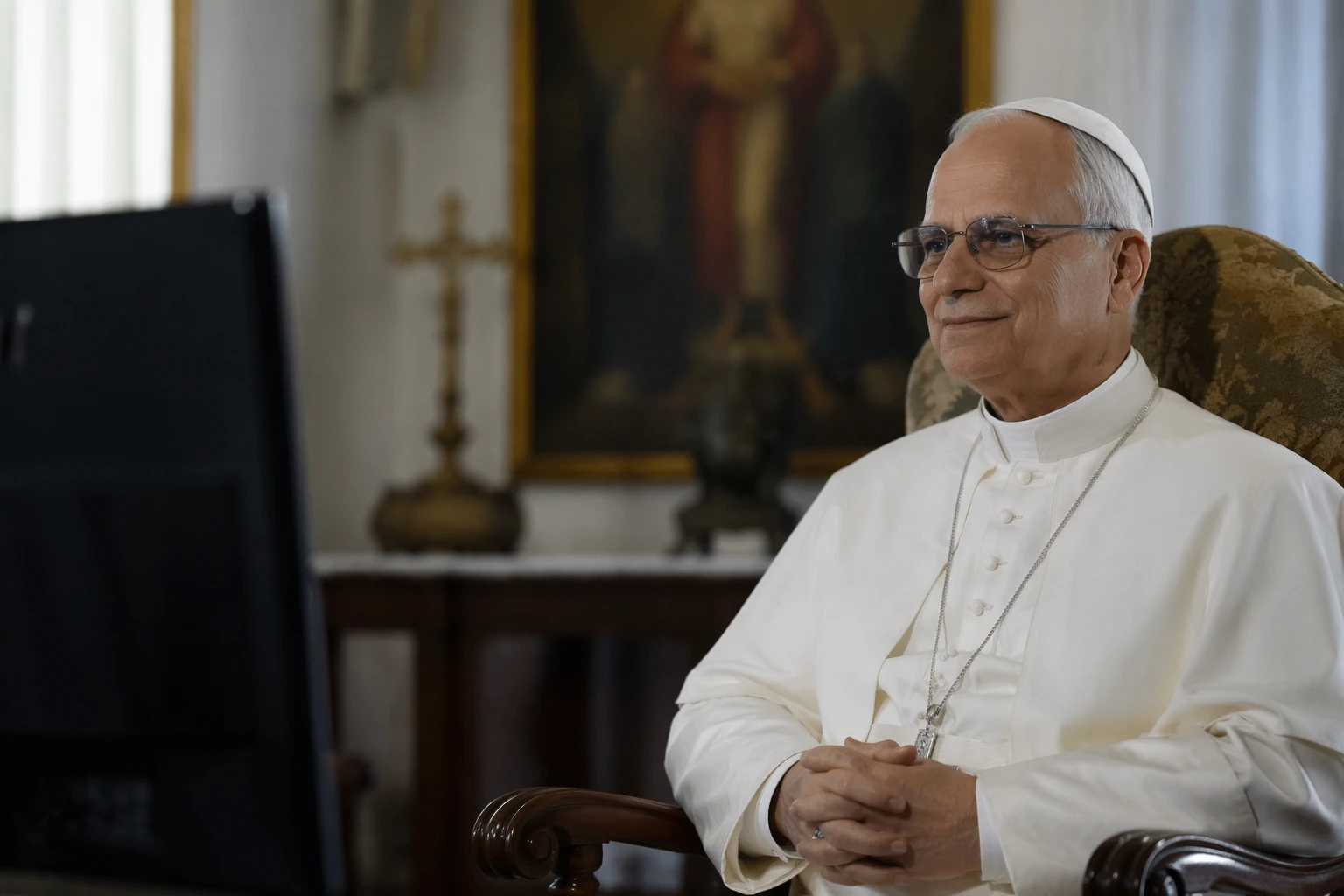
Pope Leo, born Robert Francis Prevost on September 14, 1955, in Chicago, is the first U.S.-born pope and the first pope from the Order of Saint Augustine. He studied at Villanova University in Pennsylvania, where he earned a degree in mathematics in 1977, giving the Philadelphia ceremony an added local resonance as the city and the university that shaped part of his formation shared the spotlight.
The audience included civic leaders, faith leaders, and members of the public, with more than 30 religions represented. Archbishop Nelson J. Pérez of Philadelphia joined the ceremony, underscoring the local Catholic leadership tied to the event, while Pennsylvania Gov. Josh Shapiro called Philadelphia and the Constitution Center fitting places to honor the pope. Vince Stango, the center’s interim president and chief executive, said Pope Leo was selected for his consistent advocacy for religious liberty, freedom of conscience, and human dignity.
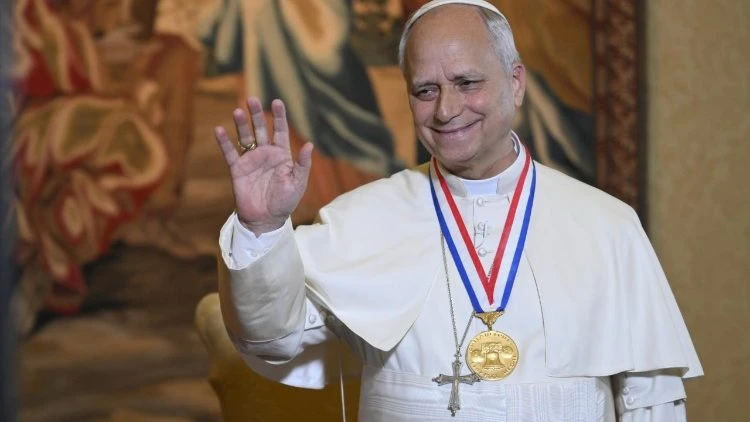
In remarks tied to America’s founding ideals, Pope Leo urged the nation to recommit itself to unity and peace. His appeal landed in a city built around the symbols of the republic, on a day when Independence Week celebrations were already marking the nation’s 250th birthday, and it gave the medal a meaning that reached beyond tribute. It was both a religious honor and a public signal about the country’s frayed civic bonds.