US News
Pope Leo XIV visits Cabrini shrine with rebuke of American exceptionalism
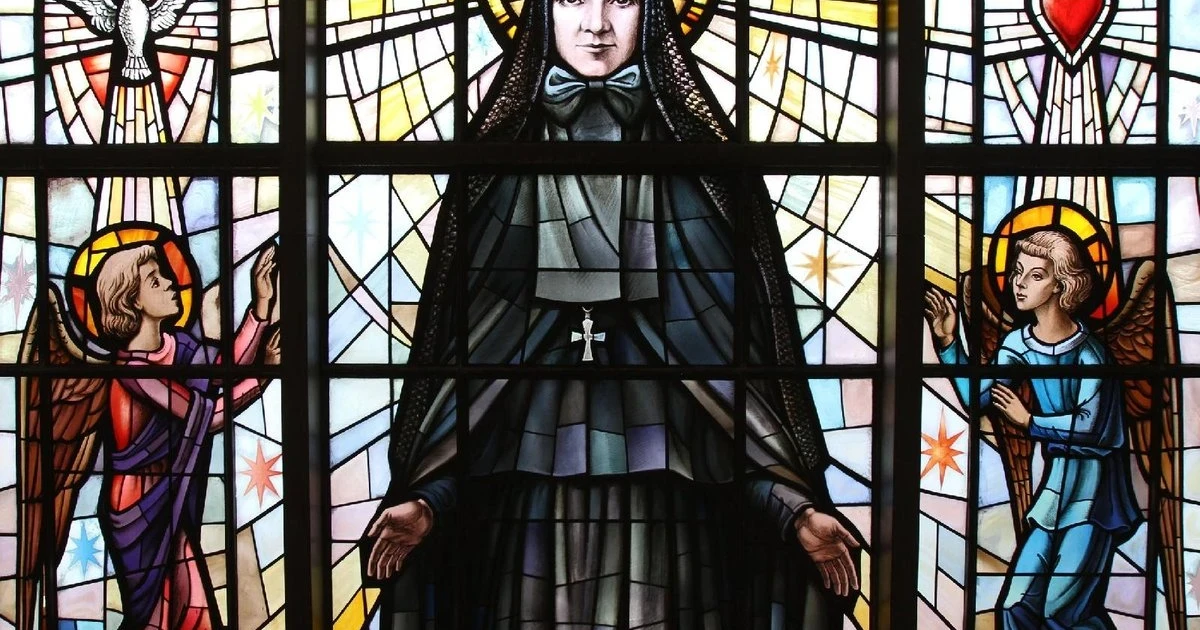
Pope Leo XIV’s visit to Mother Cabrini Shrine in Golden, Colorado carried a message larger than shared nationality. As the first pope from the United States and the first Augustinian pope in Church history, he stood in the shadow of a saint whose life pointed Catholics toward migration, sacrifice and service, not triumphalism.
The shrine itself sits on land Mother Cabrini bought in 1912 as a summer camp for orphan girls from the Queen of Heaven Orphanage in Denver. Its 373-step stairway and 22-foot statue of the Sacred Heart of Jesus, erected in 1954, have long made it one of the clearest physical reminders in the West of Cabrini’s American mission.
Born Francesca Cabrini on July 15, 1850, in Sant’Angelo Lodigiano, Lombardy, she became a naturalized U.S. citizen in 1909 and was canonized by Pope Pius XII on July 7, 1946. Four years later, Pius XII declared her the Universal Patroness of Immigrants, making her the first U.S. citizen to be canonized and fixing her public identity to the Catholic defense of newcomers rather than any national myth.
That symbolism sharpened the meaning of Leo XIV’s presence. Cabrini’s work stretched across Italy, France, Spain, Great Britain, the United States, Central America, Argentina and Brazil, where she founded homes, hospices, schools, orphanages and hospitals. Her mission had been sent west by Pope Leo XIII, who told her, “Not to the East, Cabrini, but to the West!” The line now resonates as a historic echo between two Leos, the pope who redirected an Italian nun to minister to immigrants in America and the American pope now invoking her legacy.
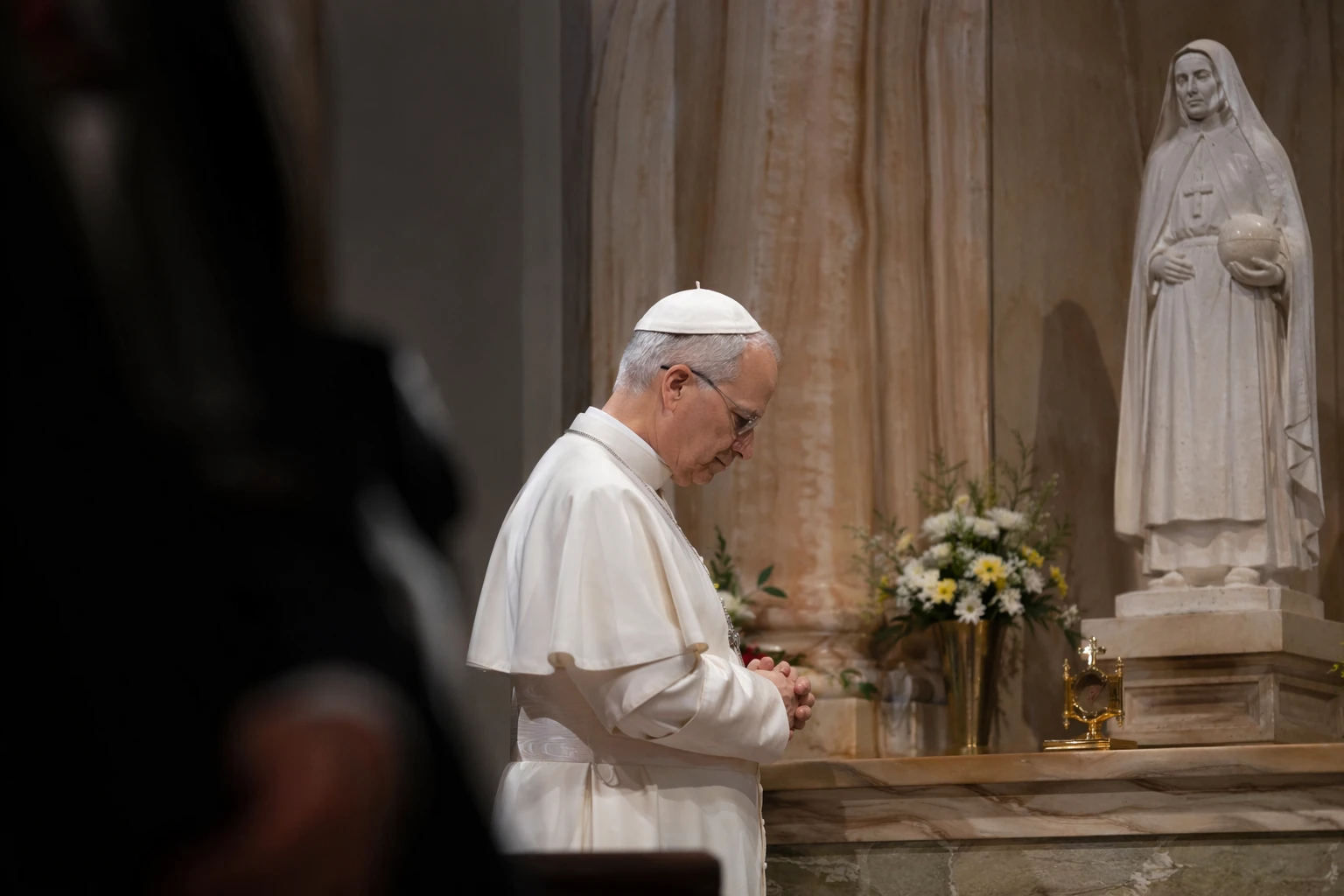
Leo XIV has already made migrants and human dignity central to his public messaging. During his June 2026 apostolic journey to Spain, he called for legal and safe migration pathways, condemned human trafficking and said that human dignity has no passport. In that context, a visit to the shrine linked to Cabrini was not a celebration of American exceptionalism but a reminder that Catholic identity is measured by how the church treats the displaced.
For U.S. Catholics, the image was pointed: the first American pope honoring the saint most associated with immigrant ministry, in a place built from Cabrini’s own decision to serve children, workers and families on the margins. The message was clear enough to unsettle any easy nationalism. In the Catholic imagination, America is not a trophy. It is a field of obligation.
Sources
- [1]nytimes.com
- [2]vatican.va
- [3]vaticannews.va
- [4]usccb.org
- [5]mothercabrinishrine.org
- [6]mothercabrini.org