World
Pope Leo's longtime Peru friend reveals the man behind the pontiff
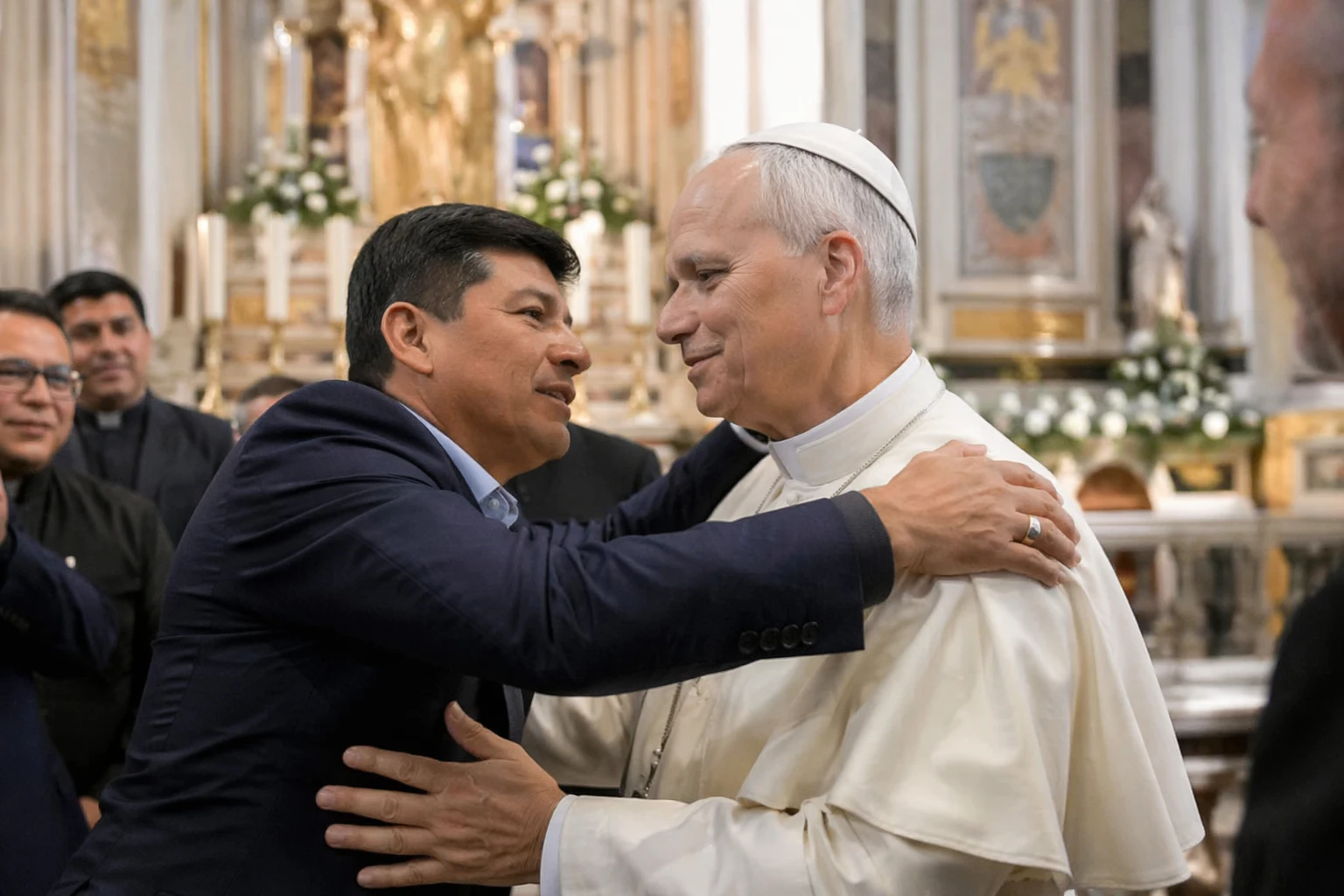
Before he became Pope Leo XIV, Robert Francis Prevost was still Roberto to Armando Jesús Lovera Vásquez, the priest who watched World Cup games, took road trips and once joined a search for a teddy bear for Lovera’s future wife. That kind of ordinary loyalty has become a rare way to understand a pontiff whose public role is global, but whose habits were shaped in close, familiar circles.
Prevost and Lovera first met in 1991 in Colombia. By then, Prevost had already been living in the Augustinian formation house in Trujillo, Peru, for nearly 10 years, beginning in 1990, while working in parish ministry and formation. Lovera, now a Peruvian biblical scholar based in Valladolid, Spain, says the relationship never loosened as the years passed. He says Prevost married him, baptized his daughters and, even on a Vatican visit, still asked him to call him Roberto.
That same ease carries through their correspondence. Lovera says he writes to Pope Leo XIV several times a week, and the pope has continued to answer after his election on May 8, 2025, in a conclave that began May 7. Leo, the first pope from the United States and the first Augustinian pope in Church history, speaks English, Spanish, Portuguese, French and Italian, a multilingual reach that reflects the cross-border life he built long before he stepped onto the balcony at St. Peter’s Basilica.
Lovera has turned that friendship into a 152-page book, From Robert to Pope Leo: Our Friendship, His Mission, published on April 29, 2026. The book presents Leo as simple, humorous and attentive, while drawing on stories from the Peru years, including one in which parishioners thought Father Prevost had died. Those details matter because they show a leader formed not by ceremony alone but by years of parish work, shared meals and durable friendships.
That background is now part of how Leo is being read as a pope. During his June 2026 visit to Spain, he urged people to stop “fanning the flames of polarisation.” For a church navigating division across continents and communities, Lovera’s portrait suggests a pope whose instinct is still the same as it was in Trujillo: listen closely, answer back and keep faith with the people who knew him before the title.
Sources
- [1]nytimes.com
- [2]english.elpais.com
- [3]litpress.org
- [4]vatican.va
- [5]ncronline.org
- [6]vaticannews.va
- [7]aljazeera.com