World
Pope Leo’s Visit Highlights Spain’s Shifting Religious Landscape
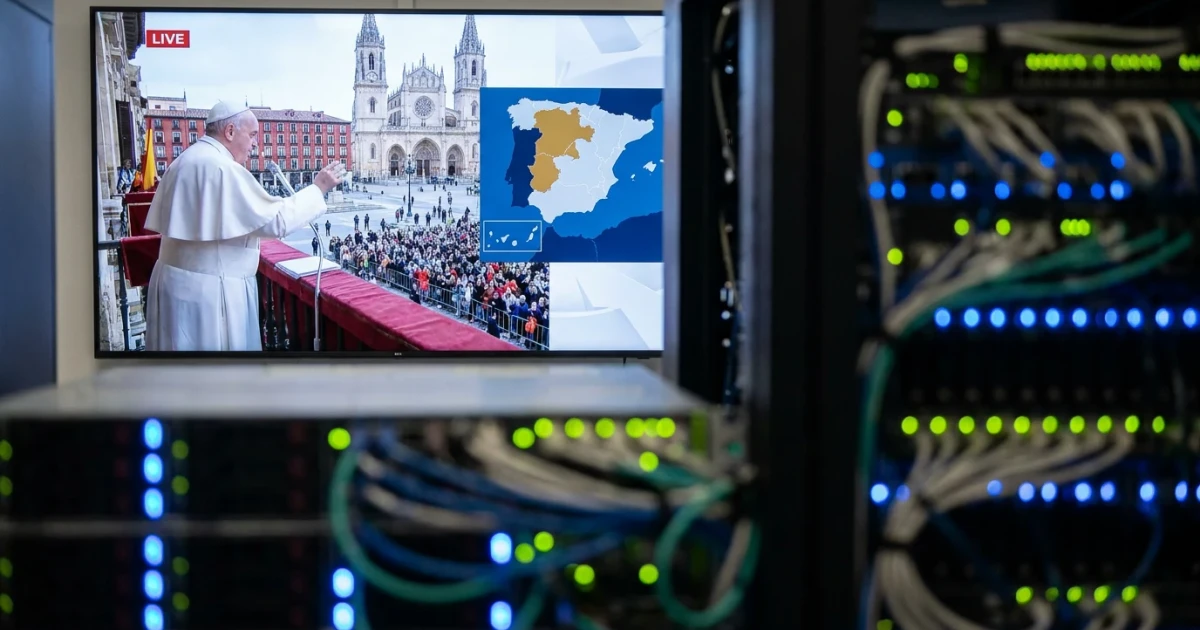
Pope Leo’s recent visit to Spain comes at a time of notable social and political polarization, revealing deepening divides within the country’s religious landscape. While papal visits traditionally unite Catholic communities, this trip has instead spotlighted growing tensions, particularly among conservative groups increasingly critical of the church’s direction.
Political and Religious Divisions Shape Papal Reception
Spain has long been regarded as a stronghold of Catholic tradition in Europe, but recent years have seen significant shifts in public attitudes and practice. The Washington Post reports that Pope Leo’s visit occurs as conservatives, traditionally staunch supporters of the church, are beginning to turn away from its leadership. This estrangement reflects broader trends in Spanish society, where debates over migration, social values, and the church’s perceived engagement with progressive causes have fueled polarization.
According to Pew Research Center data, fewer Spaniards now identify as actively practicing Catholics, with church attendance and religious affiliation declining steadily. These changes are especially pronounced among younger Spaniards, who are less likely to see the church as a relevant institution in their daily lives.
Conservatives Express Discontent with Church Leadership
The Washington Post notes that segments of Spain’s conservative population feel the church is moving too quickly toward progressive stances on issues such as migration and social justice. Pope Leo’s outspoken support for compassionate migration policies and engagement with popular culture—his visit notably coincided with references to global music icons like Bad Bunny—have further alienated some traditionalists.
- Conservative critics argue that the church’s messaging on migration and social inclusion lacks clarity, especially as Spain faces new waves of immigration.
- Progressive Catholics and secular Spaniards, meanwhile, view the pope’s positions as a sign the church is modernizing and becoming more inclusive.
Migration, Pop Culture, and the Church’s Role
Pope Leo’s visit also intersected with broader conversations about migration and the church’s place in Spanish society. The Washington Post highlights how the pope has used his platform to advocate for the humane treatment of migrants, reflecting his broader global priorities.
Additionally, the papal visit’s engagement with popular culture—referencing figures such as Bad Bunny—demonstrates an attempt to connect with Spain’s younger, more diverse population. This strategy, however, has received mixed reactions, with some applauding the church’s willingness to adapt and others viewing it as diluting traditional values.
Statistical Snapshot: Religion in Spain
- Official statistics from Instituto Nacional de Estadística (INE) show a steady decline in Catholic identification, with a growing proportion of Spaniards describing themselves as non-religious or identifying with other faiths.
- EPData visualizations reveal generational differences: younger cohorts are significantly less likely to attend church or consider religious affiliation important to their identity.
Analysis: Church at a Crossroads
Pope Leo’s visit underscores the Catholic Church’s delicate balancing act in Spain. As the country grapples with political polarization, demographic change, and evolving social norms, the church’s efforts to remain relevant are complicated by internal divisions and external criticism. The Washington Post’s coverage makes clear that the church’s future in Spain will depend on its ability to address both conservative concerns and the expectations of a new generation.
Looking ahead, leaders may need to find common ground between tradition and reform, keeping Spain’s Catholic heritage alive while adapting to the realities of a diverse, modern society. The ongoing debate—over migration, culture, and the church’s priorities—will continue to shape the institution’s role in Spanish public life.