Lifestyle
Popular Vacation Destination Considers Limiting Alcohol Sales
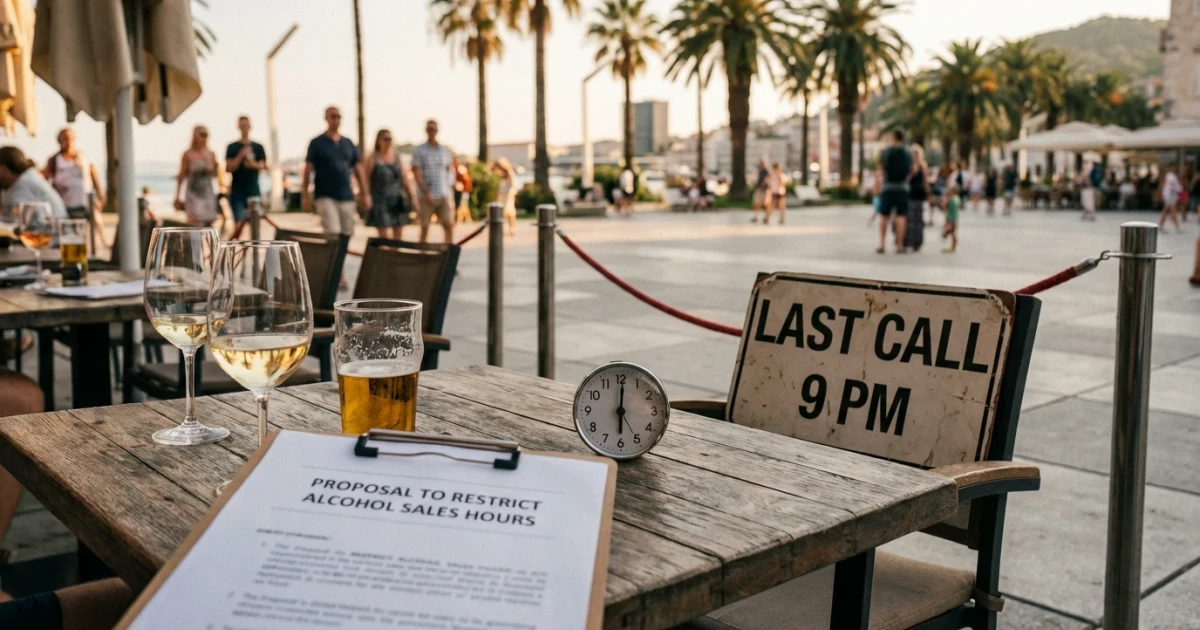
A leading vacation destination is considering a ban on alcohol sales during specific hours, according to coverage from Fox News. The proposal is part of a comprehensive effort to address concerns about public safety, noise, and disruptive behavior, particularly during peak tourism periods.
Background on Proposed Restrictions
The proposed measure would prohibit the sale of alcoholic beverages during key nighttime hours, a policy shift aimed at reducing incidents related to excessive drinking. This approach mirrors similar restrictions in other global tourism hubs, where alcohol regulations have been linked to changes in visitor behavior and local safety outcomes. While the exact hours and enforcement mechanisms are still under discussion, officials believe restricting sales could help curb late-night disturbances and promote a safer environment for both residents and visitors.
Tourism and Economic Considerations
Tourism plays a critical role in the local economy of many vacation destinations. The United Nations World Tourism Organization (UNWTO tourism statistics) show that hospitality and nightlife sectors are significant drivers of revenue in popular hotspots. Stakeholders in the hospitality industry have expressed concerns that alcohol sales bans, even partial ones, could deter some tourists or shift demand to unregulated venues, impacting local businesses' bottom lines.
- Alcohol sales contribute significantly to hospitality revenue, especially in nightlife-oriented destinations.
- Past bans in other regions have led to mixed results, with some reporting reduced disorderly conduct and others citing negative effects on visitor numbers.
Public Health and Safety Impacts
Authorities globally have implemented various alcohol regulations to address public health and safety concerns. According to the World Health Organization's Global Health Observatory, high levels of alcohol consumption are linked to increased rates of violence, accidents, and health issues. In the United States and Europe, restricting sales hours has sometimes reduced alcohol-related incidents, as detailed in the EU's briefing report on alcohol regulation.
- Drunk driving, assaults, and hospital admissions tend to spike during overnight hours when alcohol is most available.
- Research indicates that limiting access can help lower these risks, but outcomes vary depending on enforcement and cultural factors.
Legal Framework and Comparison
The proposed ban would join a range of international and national regulations addressing alcohol sales. For instance, the UK's Licensing Act 2003 authorizes local authorities to set restrictions on alcohol sales hours to balance economic and community needs. Enforcement and compliance are central to the effectiveness of these laws, as is coordination between police, health officials, and business owners.
Stakeholder Reactions
While some residents and officials support the move as a step towards safer communities, others worry about the economic repercussions and the potential for unintended consequences, such as unregulated "underground" sales or tourists seeking alternative destinations. Input from hospitality groups, law enforcement, and public health experts will shape the final decision, with public consultations expected before any policy is enacted.
Looking Ahead
The debate over alcohol sales restrictions in high-traffic tourist areas highlights the challenge of balancing public safety with economic vitality. As other cities and countries have found, the impact of such measures often depends on thoughtful implementation and ongoing review. If enacted, the new policy could serve as a model—or a cautionary tale—for similar destinations worldwide.