Business
Porsche deliveries fall 16% as China and U.S. demand weaken

Porsche AG’s global deliveries fell 16% to 122,306 vehicles in the first half of 2026, as weakness in China and the end of U.S. electric-vehicle tax incentives hit sales across its core markets. The decline showed up even as the 911 gained 19% and the Cayenne remained the strongest model line with 38,141 deliveries. Board member for sales Matthias Becker said the company was below the same period a year earlier but still in line with expectations.
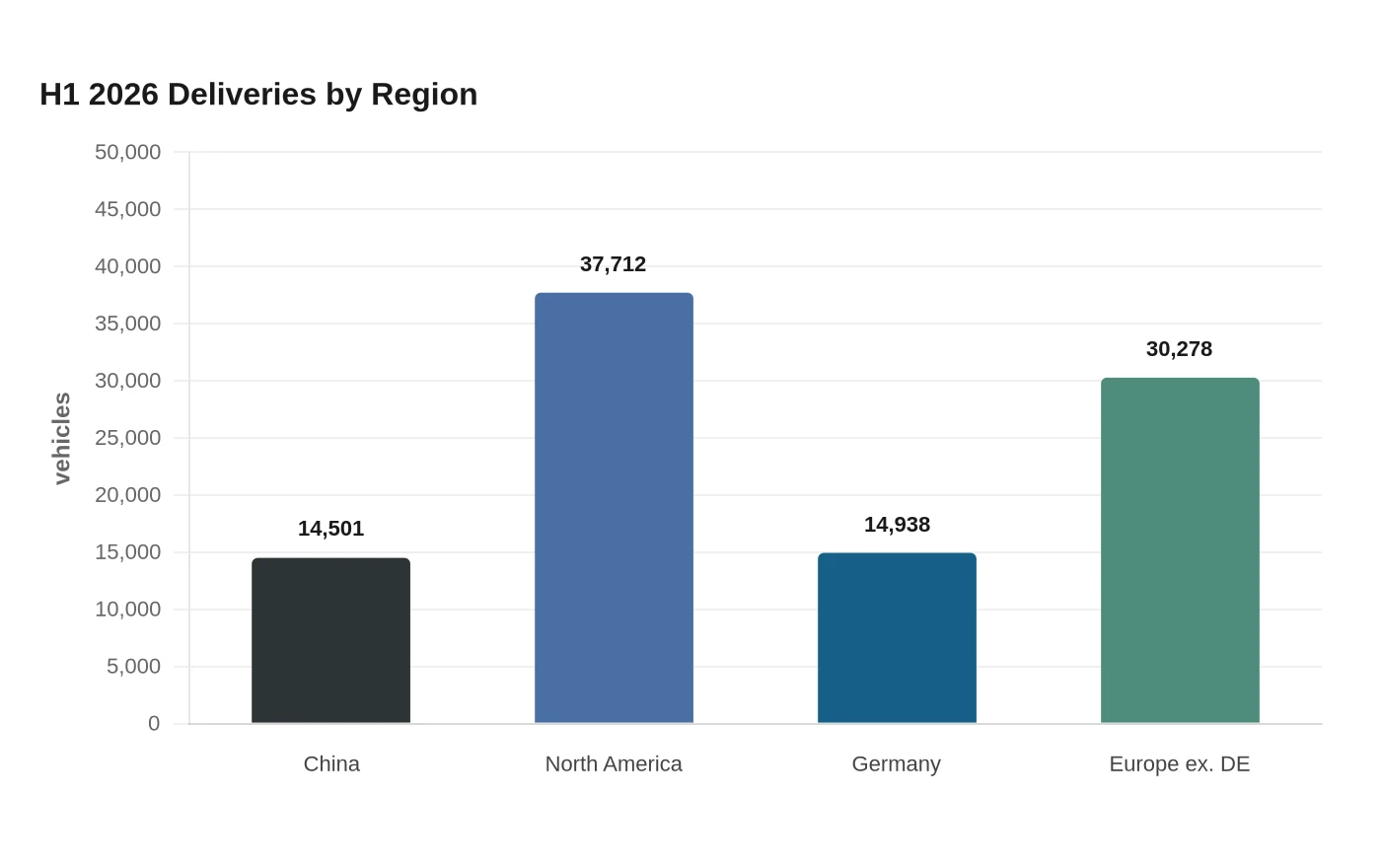
The sharpest hit came in China, where Porsche delivered 14,501 vehicles, down 32% from a year earlier. North America, Porsche’s largest sales region, totaled 37,712 deliveries, while Germany logged 14,938 and Europe excluding Germany came in at 30,278. The regional split points to a two-market squeeze that is now reaching even premium brands: a weaker Chinese luxury market on one side, and a U.S. policy shift that removed support for electric and hybrid purchases on the other.
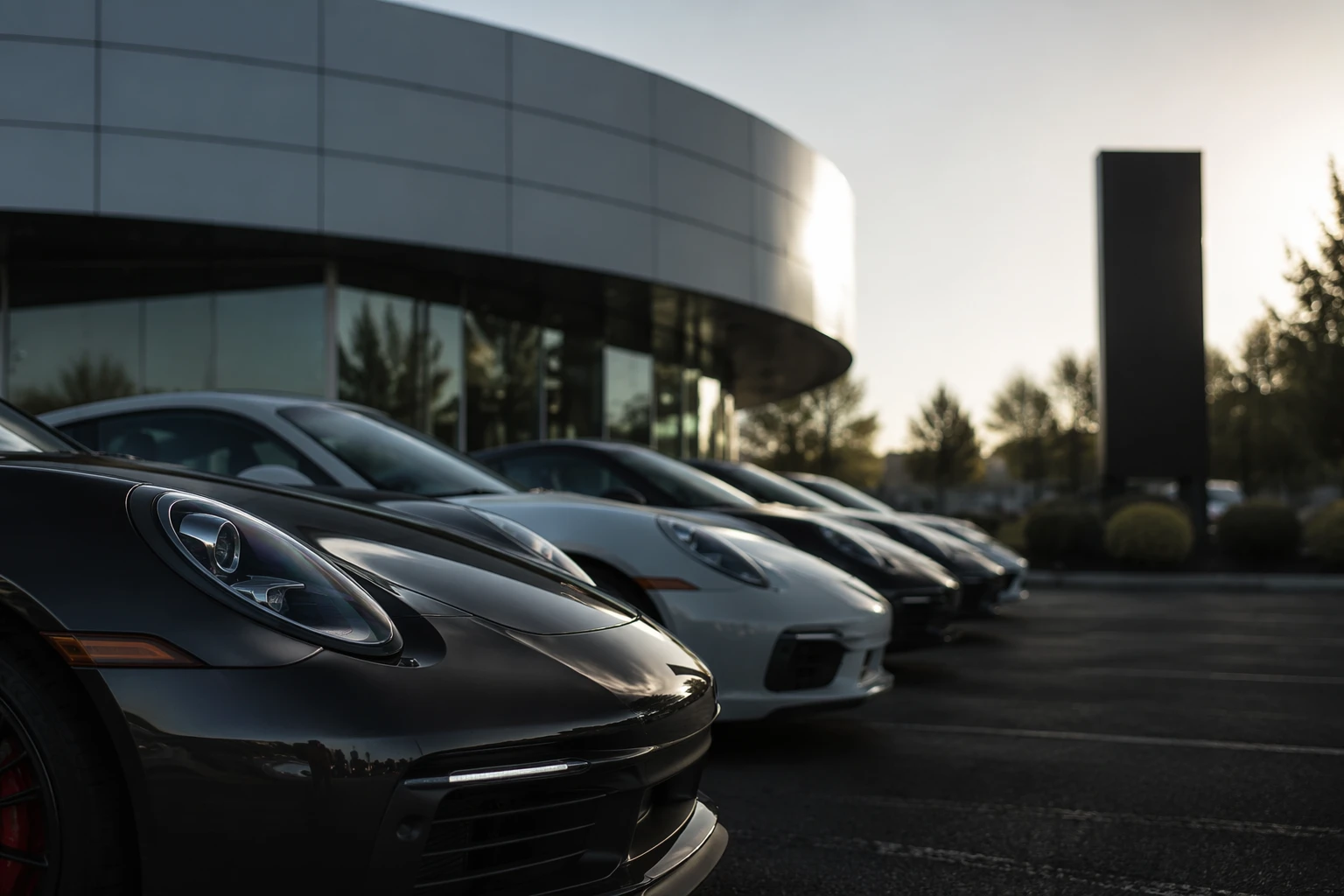
Porsche said the main drivers of the decline were the end of production of the combustion-engine 718, strong demand for the all-electric Macan in the same period last year and the expiration of U.S. tax incentives for electric and hybrid vehicles. That mix of product-cycle timing and policy change complicates the headline comparison, but it also shows how dependent luxury automakers have become on favorable regulatory conditions to sustain EV momentum.
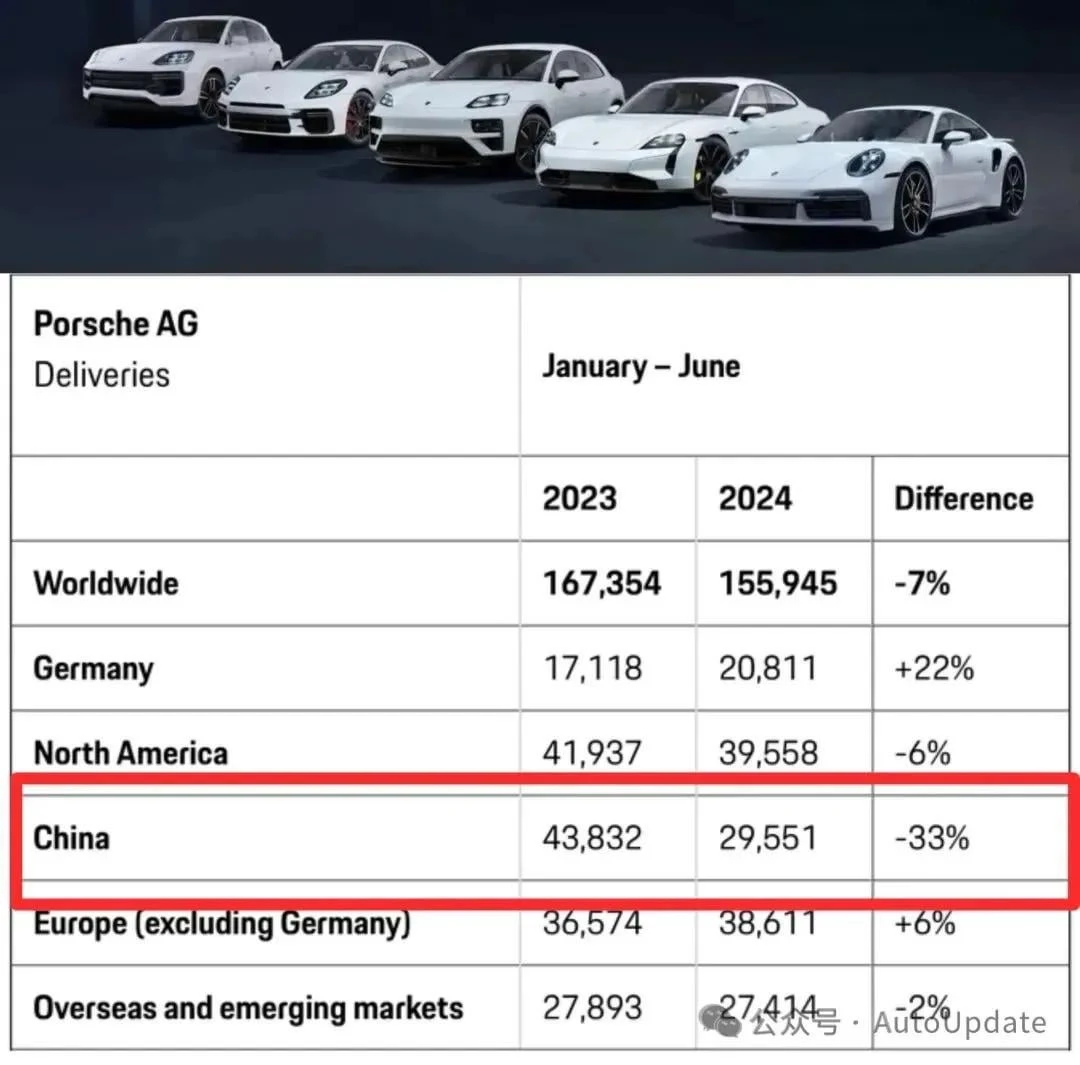
The company’s U.S. weakness is especially important because North America has often offset slower Chinese demand. Losing that cushion leaves Porsche more exposed to a softer global market, while competitors such as Mercedes-Benz have also been feeling the strain, with sales pressure tied to intense competition in China. Porsche’s own numbers suggest the premium end of the market is not insulated from broader auto industry stress, even when pricing power remains strong.

Porsche has already been adjusting to the tougher backdrop. In 2025, it cut its outlook amid weakness in China, rising supply-chain costs and U.S. tariffs. The company also reduced its workforce by 3,900 jobs, and reports in early July suggested it could consider as many as 4,000 more cuts, though that has not been confirmed. The first-half figures now show the company entering the second half with fewer tailwinds from China, less help from U.S. tax policy and a more difficult path to defending margins.
Sources
- [1]aol.com
- [2]newsroom.porsche.com
- [3]live.euronext.com
- [4]morningstar.com
- [5]autonews.com