Business
Porsche rules out fully electric 911, cites customer demand
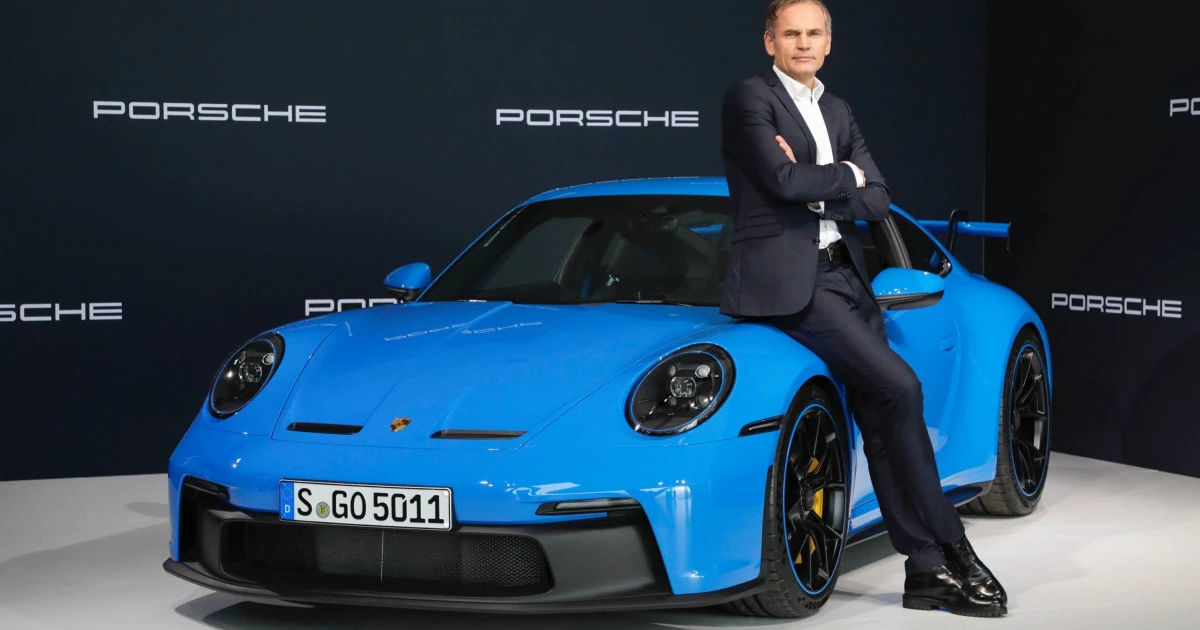
Porsche drew a firm boundary around its most famous sports car on June 10, with CEO Michael Leiters saying the company will not produce a fully electric 911. The decision lands at the center of Porsche’s identity problem and its pricing power: the 911 is the brand’s signature model, a car whose reputation has been built for decades on combustion engines, driving feel and a loyal buyer base that still expects both.
The move does not mark a retreat from electrification. Porsche already sells the Taycan, its fully electric sports car that has been on the market since 2019, along with two fully electric SUVs. But Leiters signaled that Porsche intends to keep investing in electric mobility more selectively, with customer demand rather than an all-electric timetable guiding the next phase of the lineup.
That stance is a notable admission from one of the best-known premium automakers. Porsche has said it overestimated demand for electric models and has shifted somewhat back toward combustion-engine vehicles. In practical terms, the 911 remains the exception that proves the rule: Porsche is willing to electrify parts of its business, but not at the cost of the model most closely tied to its heritage and performance mythology.
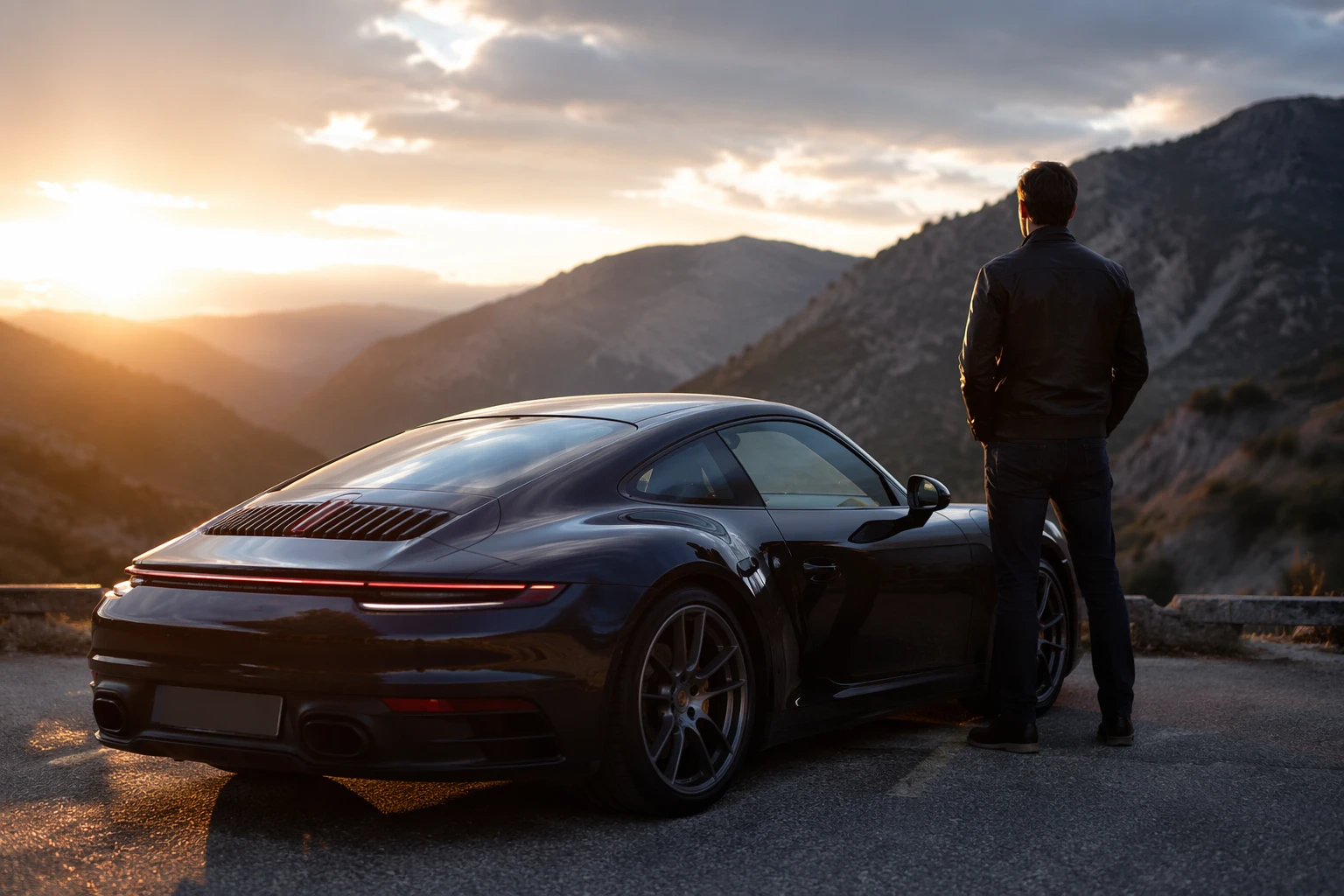
The company’s own numbers show how far the transition has already gone, and how uneven it remains. Porsche delivered 310,718 vehicles worldwide in 2024, and the share of electrified sports cars rose from 22% to 27%, with almost half of those electrified cars fully electric. Porsche also renewed four of its six model lines in 2024, including the Panamera, Taycan, 911 and Macan, underscoring that the brand is reshaping much of its portfolio even as it keeps the 911 combustion-based.
Porsche’s 2025 product-strategy update said slower-than-expected growth in demand for battery-electric vehicles forced a realignment of the portfolio. The company still lists the Taycan, Macan, Cayenne and a future two-door 718 sports car in its BEV plan, but the 911 now sits outside that roadmap.
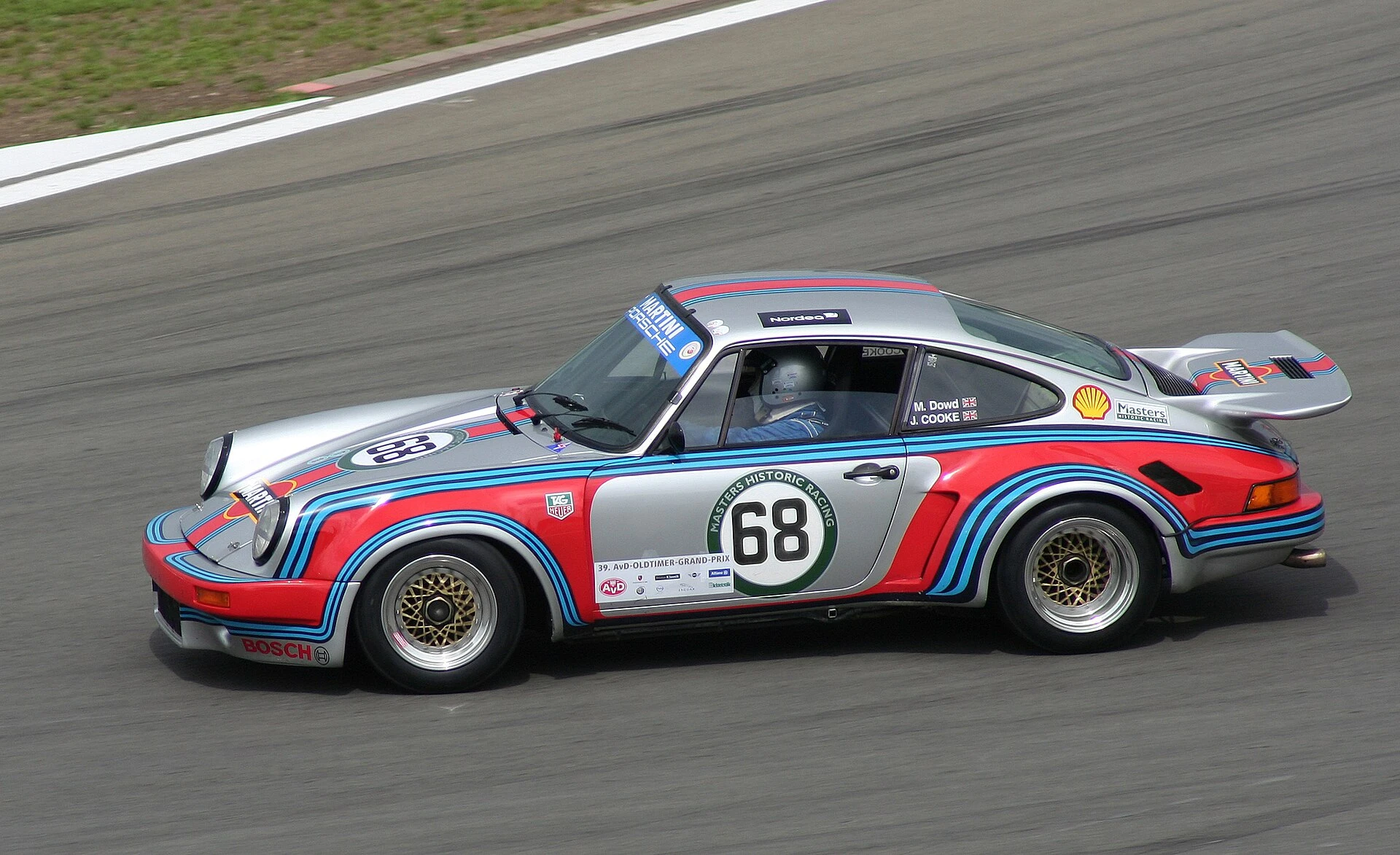
The recalibration comes as Porsche has faced more pressure in deliveries. In the first quarter of 2026, the company shipped 60,991 vehicles, down 15% from 71,470 a year earlier, citing the end of combustion 718 production, the ramp-up of the all-electric Macan and the loss of U.S. tax incentives for electric and hybrid vehicles. Even so, Porsche said it set a record in the United States in 2024 with 76,167 vehicles sold, making any shift in strategy especially important in one of its most valuable markets.
For Porsche, preserving the 911 as a combustion-and-hybrid model is more than a product choice. It is a judgment about what customers will pay for, and a reminder that even in a market defined by electrification, the most iconic cars still run on legacy, emotion and scarcity.