Business
Port of Los Angeles sets June cargo record above 1 million TEUs
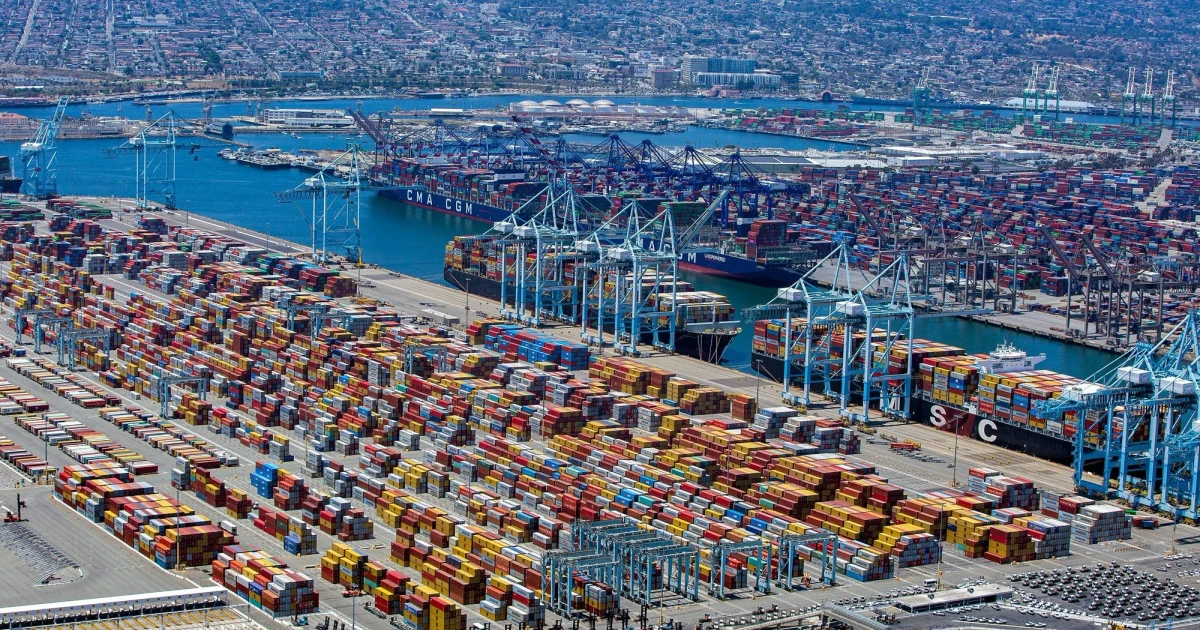
The Port of Los Angeles moved 1,002,734 twenty-foot equivalent units in June, the busiest June in its history and only the third month it has topped 1 million TEUs. The 12% jump from June 2025 kept the nation’s largest container seaport at the center of a bigger question: how much of the import surge reflects durable demand, and how much reflects shippers racing policy changes.
The mix of cargo points to front-loading as much as consumption. Shippers ranging from retailers to data center builders moved goods earlier to avoid higher tariffs, a sign that trade policy is still shaping freight flows as much as end-user demand. The adjacent Port of Long Beach also handled 779,331 TEUs in June, its third-busiest June on record, showing that the Southern California gateway remained unusually busy even as the broader economy faced inflation pressure and uneven spending.
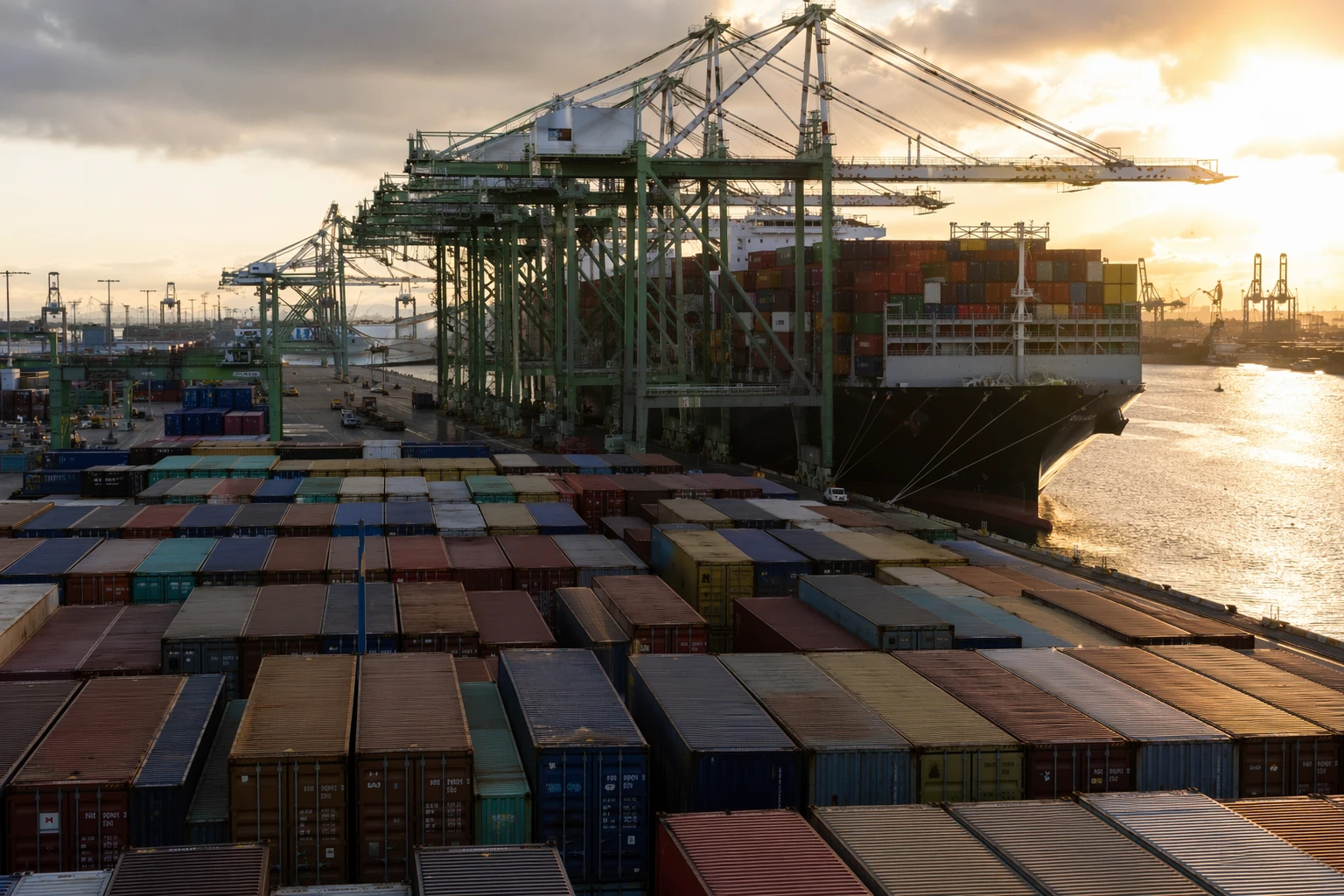
That matters well beyond the docks. When the Port of Los Angeles runs above 1 million TEUs, the strain moves quickly through the logistics chain, from terminal yards to trucking corridors and rail links serving inland warehouses. Gene Seroka and Dan Letter of Prologis used a June cargo briefing to discuss inventory, trade and supply-chain trends, and the port’s numbers fit that conversation: strong throughput usually means retailers are rebuilding stock, manufacturers are pulling in components and warehouse operators are handling more freight.
The June count also complicates the read on inflation. If importers are pulling goods forward ahead of tariff changes, some of the price pressure can show up earlier in the supply chain, while later months can look softer if demand normalizes after the rush. That makes port data a useful early indicator for economists watching retail inventories, freight rates and the pace of goods entering the U.S. economy.
The contrast with June 2025 underscores how quickly trade conditions can swing volumes. A June 2025 report from the port showed imports down 9% from the same period a year earlier, while a Feb. 20, 2026 port statement referred to a Supreme Court ruling on tariffs. June’s record therefore reflects not just a one-month burst, but the continuing competition among West Coast gateways and the policy sensitivity of U.S. container trade.
Sources
- [1]reuters.com
- [2]portoflosangeles.org
- [3]money.usnews.com
- [4]m.investing.com
- [5]ajot.com
- [6]youtube.com