World
Port workers warn AI automation could cost jobs across Australia
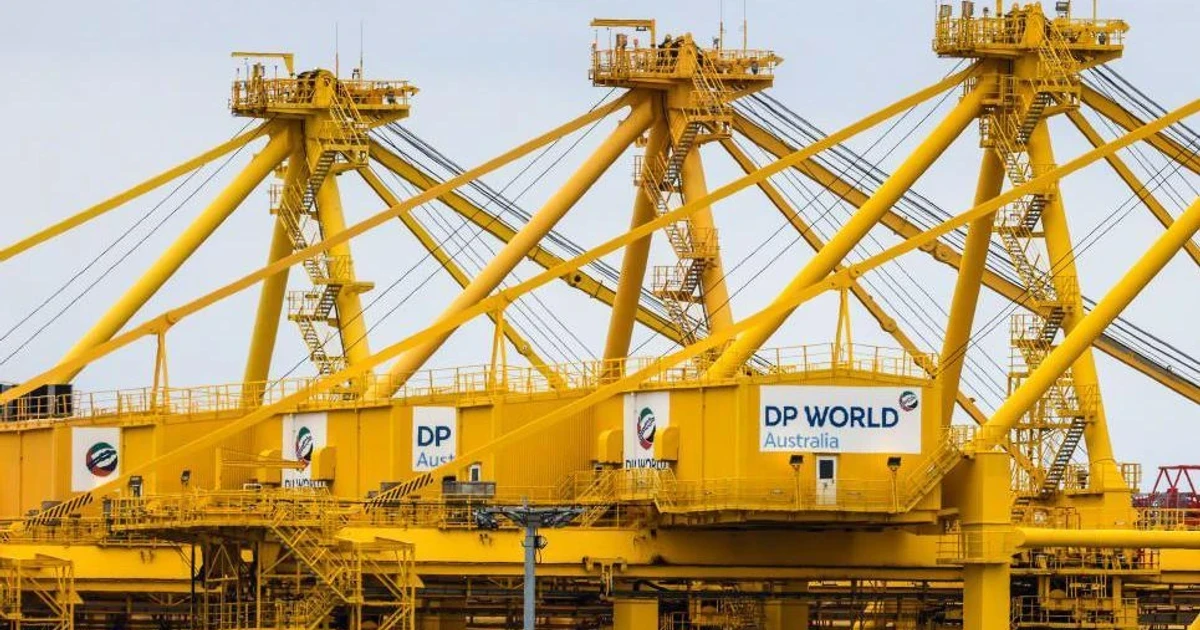
Port workers are warning that AI automation being tested across DP World’s Australian terminals could put jobs, skills and bargaining power under pressure at Brisbane, Sydney, Melbourne and Fremantle. The Maritime Union of Australia says workers are “in the crosshairs” of the rollout and argues that if DP World wants automation, it should deliver a “social dividend” to the people who keep the ports moving.
DP World says its Australian ports and terminals connect four ports and two terminals through road, rail and sea logistics nationwide. The union has taken aim at that footprint because stevedoring and port services sit inside the supply chain that keeps exports, imports and freight flowing, and because any shift toward AI in those operations can quickly affect how much labour is needed on the wharf.
The MUA has called on the Albanese government to swiftly regulate AI in strategically significant supply-chain sectors, saying the issue is not just about wages and hours but also supply-chain sovereignty and resilience. In the union’s telling, the fight over automation is no longer confined to whether a terminal adds machines, but to who controls the gains when productivity rises.
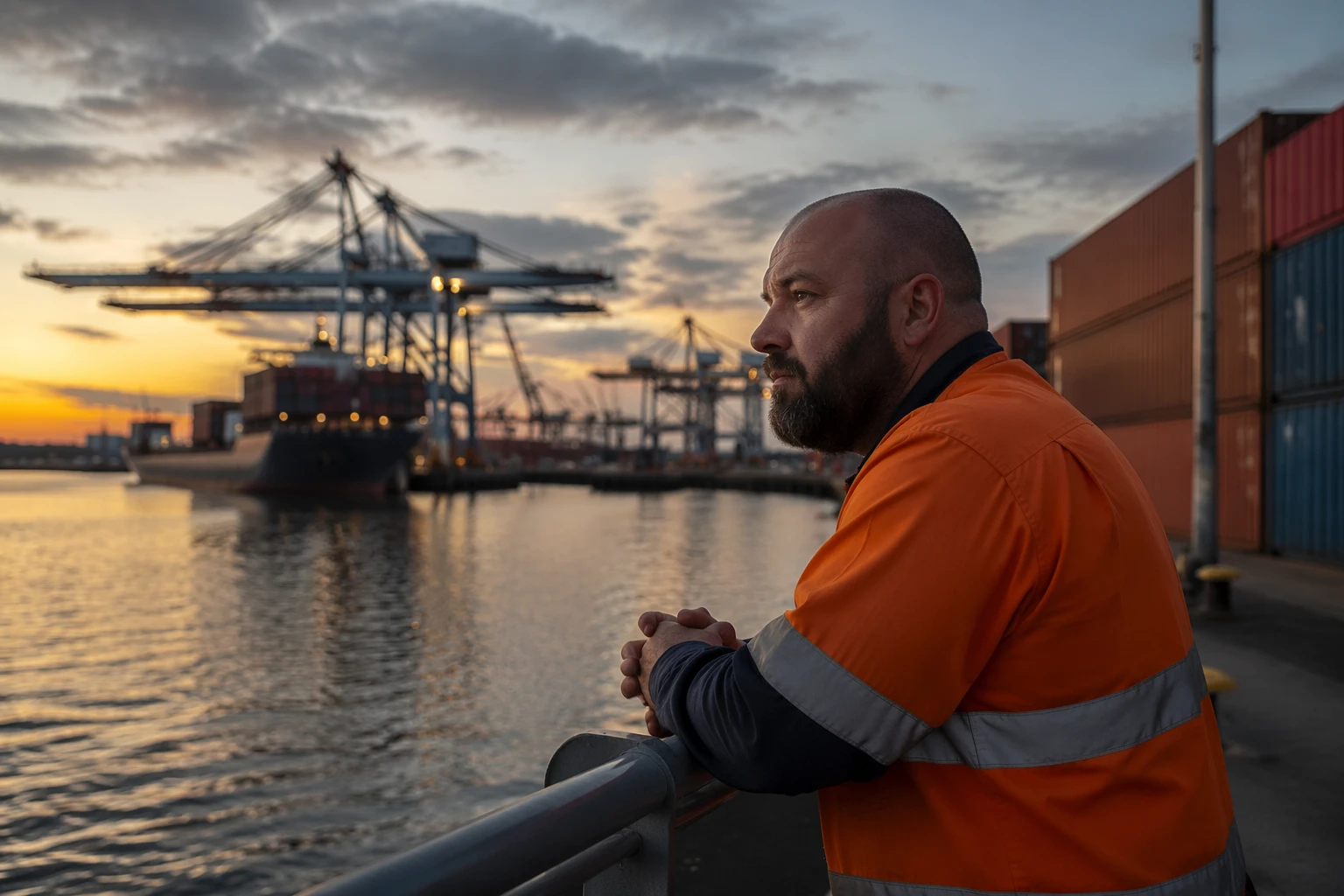
That argument sharpened earlier in 2025, when the MUA said DP World planned to spend more than US$600 million automating terminals in Melbourne, Sydney and Brisbane. The union said the scale of that investment could replace skilled dockworkers, turning a technology program into a direct employment threat across some of the country’s busiest ports.
The dispute lands in a waterfront bargaining environment already shaped by automation. In August 2025, the MUA said it secured a four-year agreement with Hutchison Ports covering 350 wharfies at the company’s Sydney and Brisbane terminals. The deal delivered an 18.25% pay rise over four years and locked in a ban on automation for the life of the agreement, a sign that job security around machines has become as important as pay outcomes themselves.
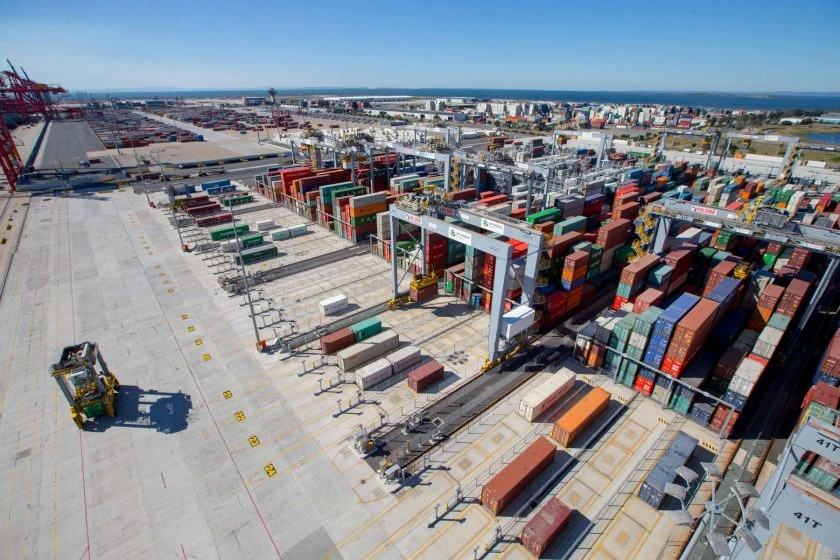
That is why the union’s push for a 28-hour week is being read as more than a standard hours claim. It is part of a broader demand that if AI and automation do raise productivity, the benefit should be shared in time, security and control, not captured only by port operators.
Sources
- [1]bbc.co.uk
- [2]dpworld.com
- [3]mua.org.au
- [4]eas.mua.org.au
- [5]porttechnology.org