Business
Portugal backs Europe’s largest lithium mine after court suspension lifted
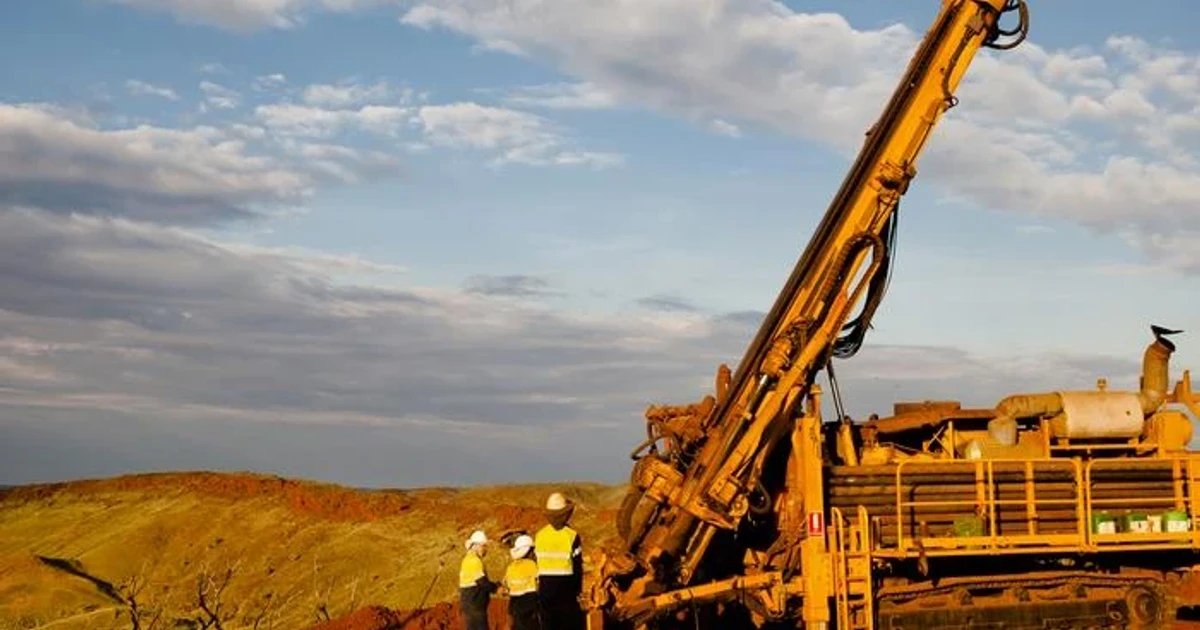
Portugal lifted a three-week suspension on Savannah Resources’ Barroso lithium project, allowing the London-listed miner to resume fieldwork. The decision follows a court injunction that briefly halted work in northern Portugal.
The Barroso deposit in the Boticas area is Savannah’s flagship asset, and Savannah says it is the largest spodumene lithium project in the European Union. Savannah says the project should produce enough lithium each year for at least 0.5 million electric vehicle battery packs. The European Commission added Barroso to its first list of 47 Strategic Projects under the Critical Raw Materials Act on 25 March 2025, then reconfirmed that status on 3 December 2025.
The legal pause began on 9 June 2026, when the Mirandela Administrative and Fiscal Court granted a precautionary injunction after a filing by Covas do Barroso Baldios, the local common-land management body. The order stopped work on affected land tied to access across community and private property for geotechnical work, though Savannah continued activity on land it owned or alternative areas and kept up fire-season preparations. After the Portuguese government issued a reasoned resolution, Savannah could restart the field programme immediately and complete the planned work.
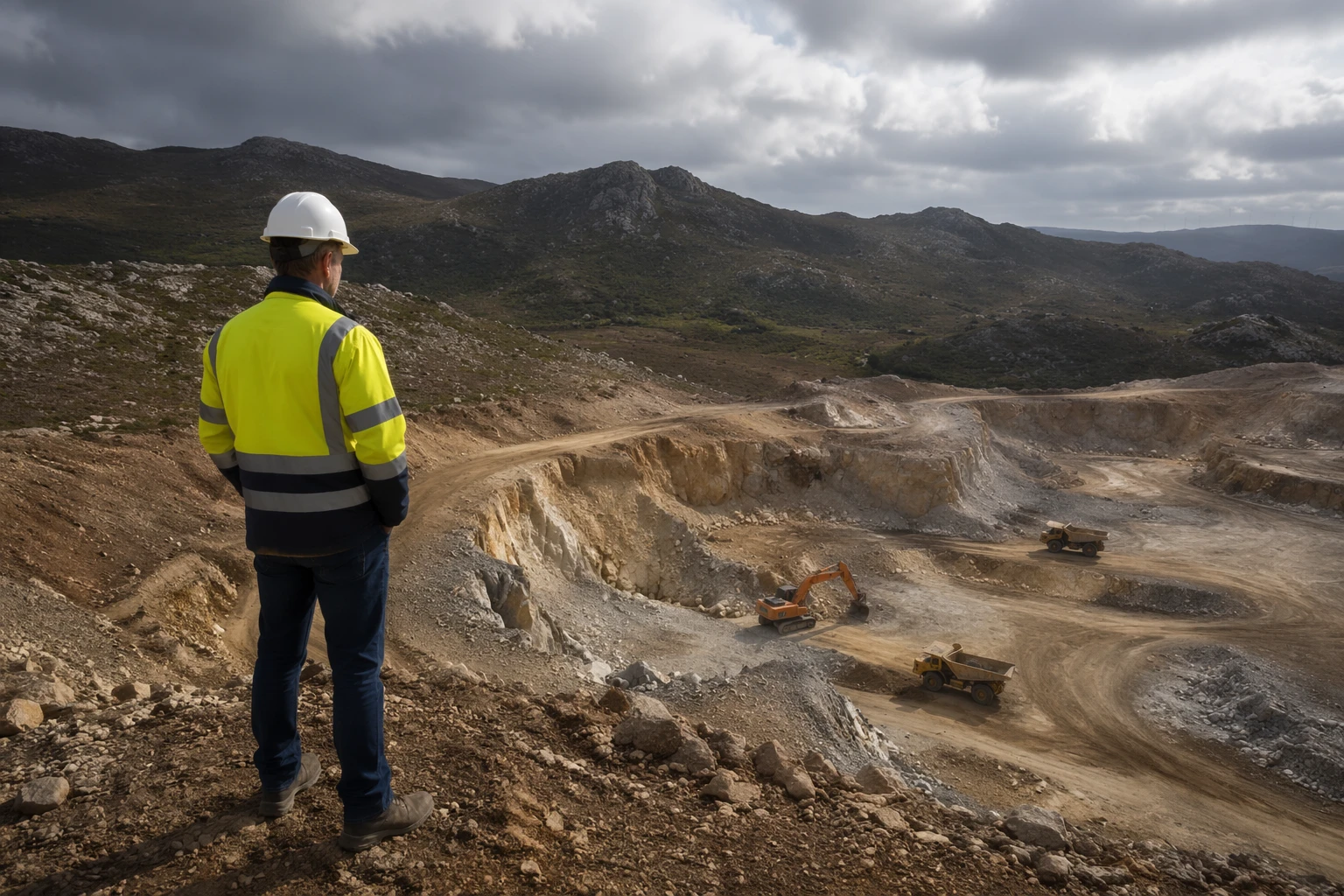
The Portuguese state awarded Savannah a non-reimbursable grant of up to €110 million for Barroso on 9 January 2026, with the deal formally signed on 21 January 2026. About €82 million is earmarked for initial capital spending, with the balance tied to operating-performance milestones. The company expects a final investment decision by the end of the year, construction in 2027 and first production in 2028.
Residents and environmental groups have opposed the project for nearly a decade. Associação Unidos em Defesa de Covas do Barroso, MiningWatch Portugal and ClientEarth challenged the Commission’s strategic-project designation in June 2025 and again in February 2026, arguing the mine carries environmental and social risks and that sustainability concerns were not properly assessed.