Health
Portugal becomes first EU country to join HealthAI network
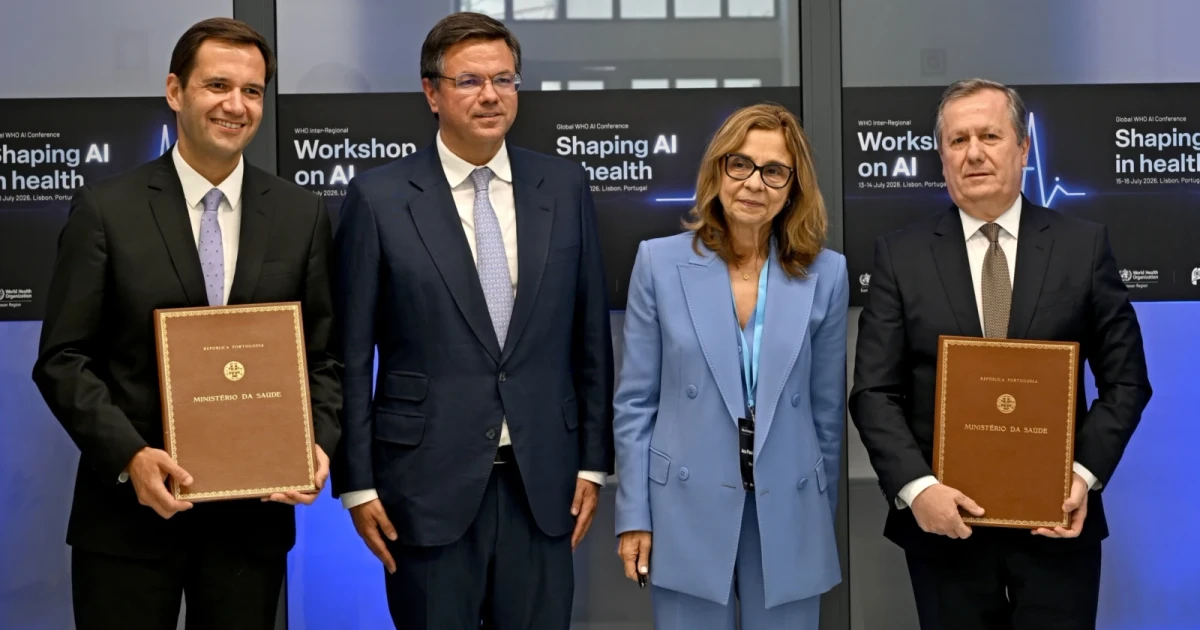
Portugal became the first European Union country to join the HealthAI network, putting Lisbon at the front of an effort to set rules for artificial intelligence in health systems before the technology spreads faster than oversight.
The move gives Portugal a seat in work centered on responsible deployment, transparency, bias reduction, clinical validation and the sharing of policy lessons between governments. Those issues are already shaping how hospitals consider AI for diagnosis, triage, administration and patient support, where the stakes range from faster service to the risk of opaque systems influencing care in ways doctors and regulators cannot easily review.
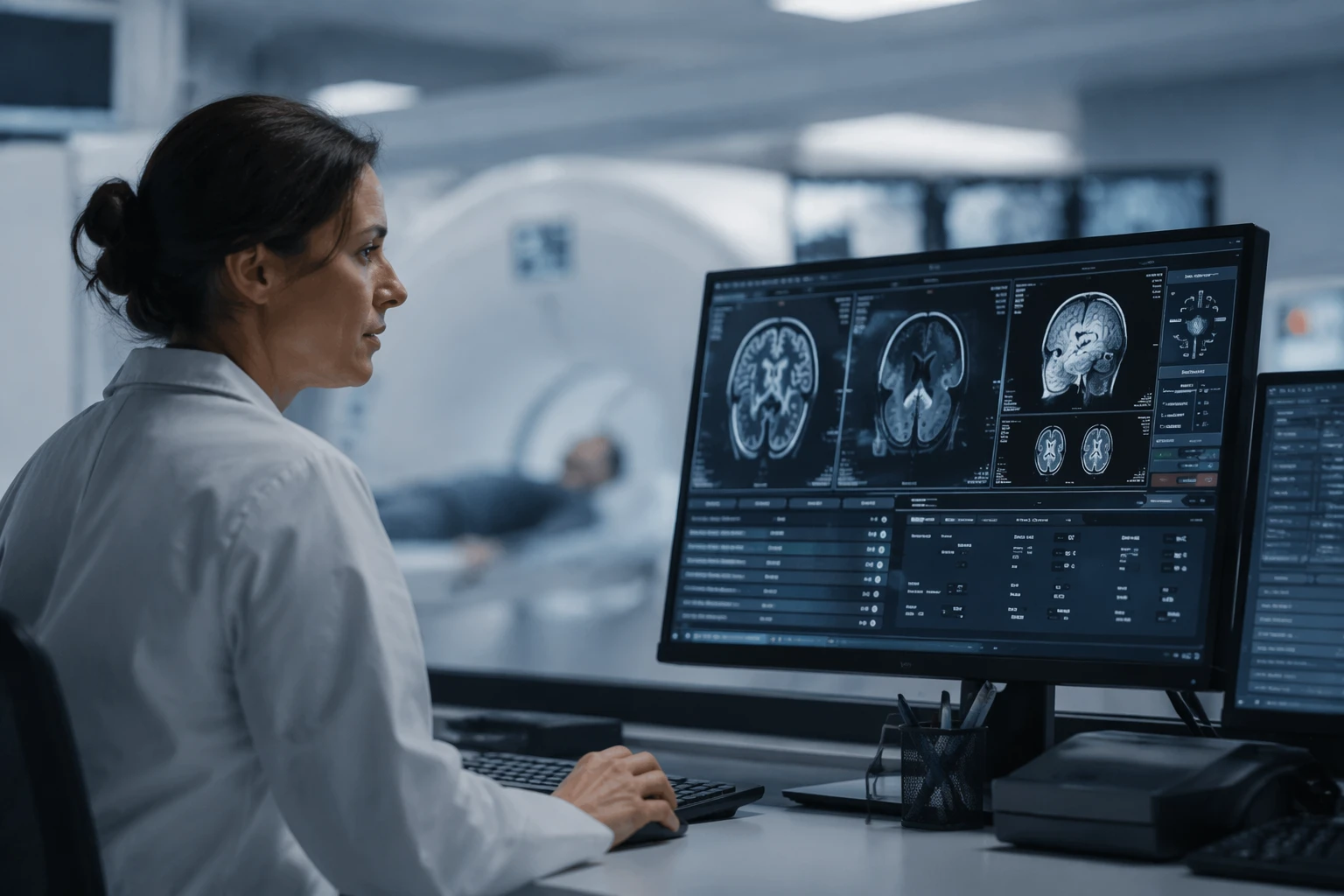
For Portugal’s health sector, membership also signals an attempt to be seen as both innovative and cautious. The country is positioning itself as a place that can attract hospitals, researchers and startups looking for a testbed where new tools can be tried without losing sight of medical oversight, clinical safety standards and patient privacy.
The broader significance reaches beyond Portugal. European governments are trying to build a framework in which public health, data governance and technology policy move together, rather than letting AI systems enter care settings first and rules arrive later. By joining before any other EU government, Portugal has a chance to shape how Europe thinks about the use of AI in medicine, from the safeguards needed around patient data to the standards that should govern systems used inside hospitals.
That matters as health systems around the world confront the same pressure: AI can improve efficiency and outcomes, but only if it remains trustworthy, fair and accountable once it is embedded in everyday care. Portugal’s entry into the network adds a European government to a growing push for shared guidance, and it increases the likelihood that the EU will try to influence medical AI governance instead of reacting after the technology is already entrenched.
Sources
- [1]reuters.com