World
Potential Iran deal could unfreeze billions and ease oil exports
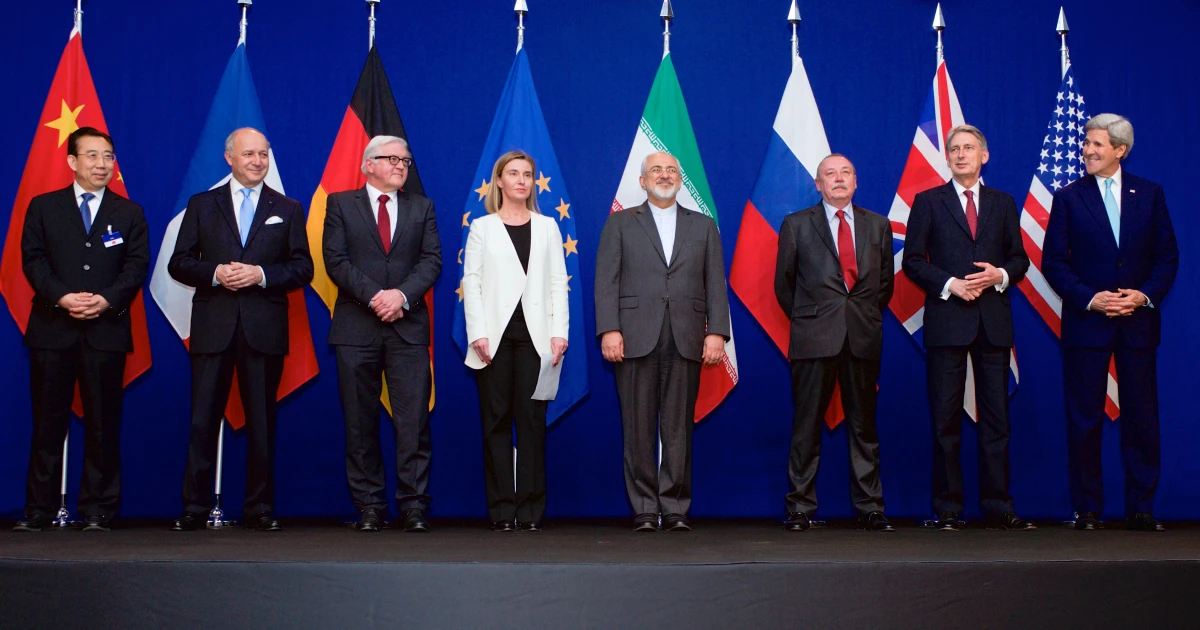
A new Iran deal could snap open the first real channels of economic relief almost immediately: bank payments through SWIFT, the oil trade, and the trade-and-investment bans that have kept much of Iran shut out of global finance. Estimates put frozen overseas assets at as much as $100 billion, including money held in South Korea, and any restart of banking links would determine how fast that cash could move.
Iran has lived under waves of sanctions since 1979, when the U.S. imposed restrictions after the seizure of the U.S. Embassy in Tehran. The sanctions web later expanded through U.N., European Union and U.S. measures tied to Iran’s nuclear program. Under the 2015 nuclear accord, the Joint Comprehensive Plan of Action, sanctions relief took effect on January 16, 2016, when U.S. waivers were triggered and corresponding U.N. and EU sanctions were lifted.
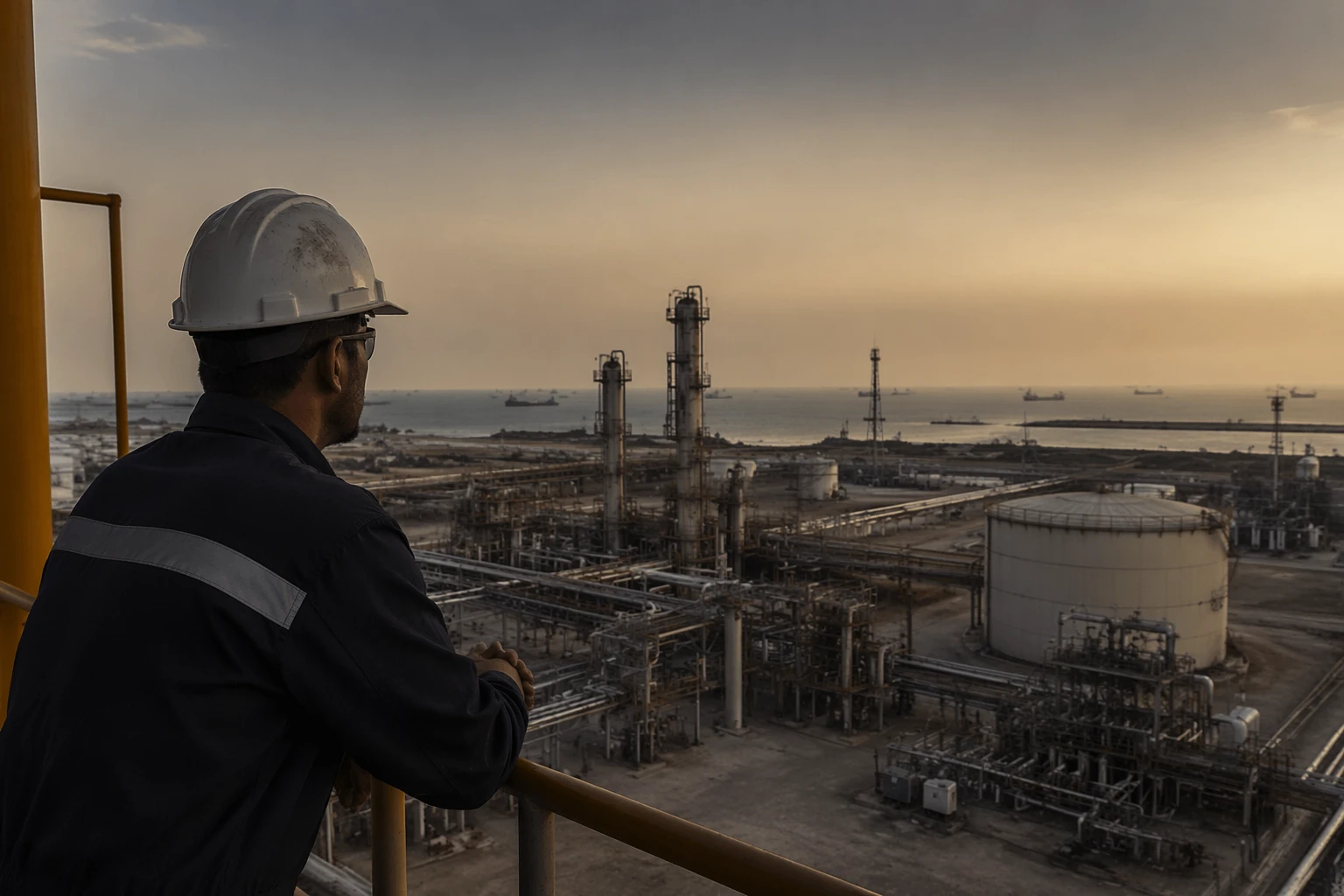
The earlier squeeze showed how quickly sanctions can hit a national economy. During 2012 to 2015, Iran’s economy shrank by about 9% a year, crude oil exports fell from about 2.5 million barrels per day to about 1.1 million barrels per day, and Iran could not repatriate more than $120 billion in reserves held in foreign banks. The U.S. Treasury’s sanctions archive says the earlier Joint Plan of Action relief reached on November 24, 2013, was extended through June 30, 2015, underscoring how much of the unwind depended on formal waivers and phased implementation.
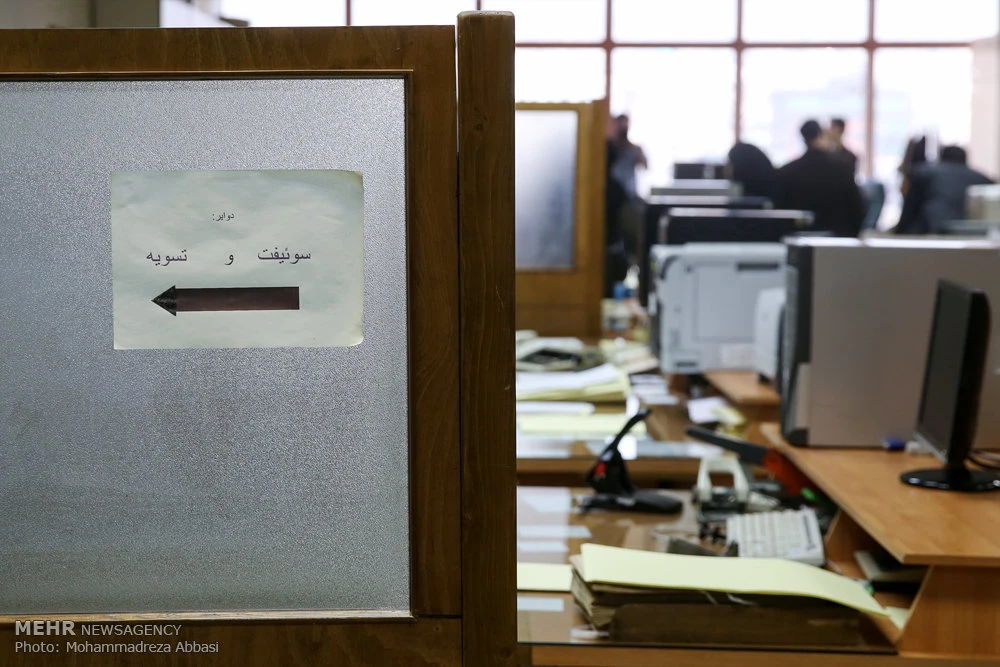
If restrictions are lifted again, the banking system would be the fastest-moving lever. Under past relief, Iranian banks were able to reconnect to SWIFT, restoring the core channel for international payments. That matters because oil buyers, commodity traders and shipping firms cannot move quickly without a functioning payment rail, and it would also ease the path for Iranian crude to return to market.
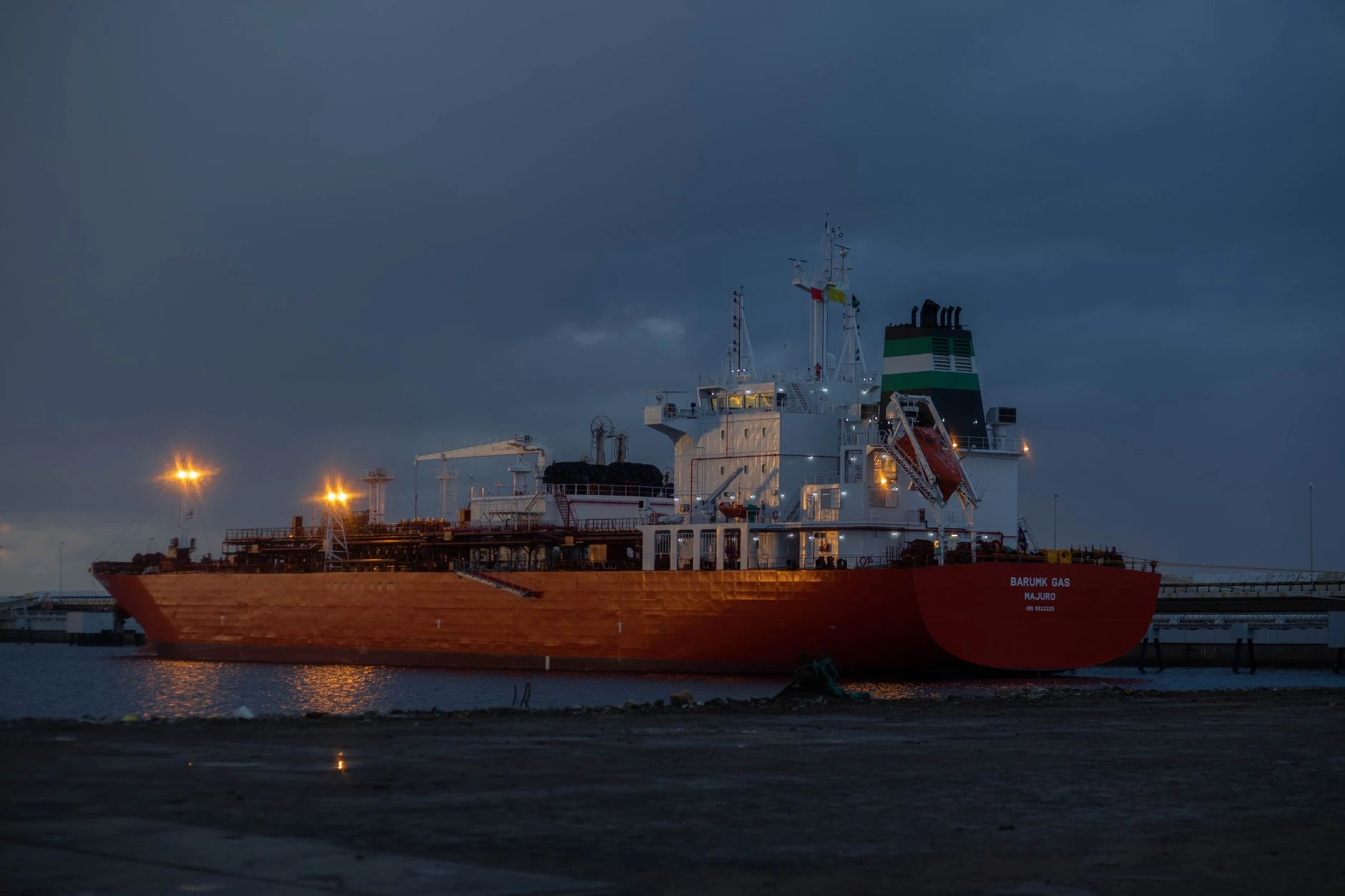
Oil traders are already watching the Strait of Hormuz, where any loosening of restrictions could reduce the risk premium built into energy prices. Recent market reporting said oil prices fell when hopes rose that the strait could reopen and Iranian exports could resume. European governments have signaled they may be prepared to lift sanctions in parallel if a U.S.-Iran deal advances, but Washington would give up one of its most powerful pressure tools if Iran is brought back into the financial system on a durable basis. The more completely those payment and trade channels reopen, the less leverage the United States keeps over Tehran.
Sources
- [1]nytimes.com
- [2]state.gov
- [3]ofac.treasury.gov
- [4]congress.gov
- [5]usnews.com
- [6]aljazeera.com
- [7]cnbc.com
- [8]unian.info