Business
Powell to Stay on Fed Board Amid Legal Actions
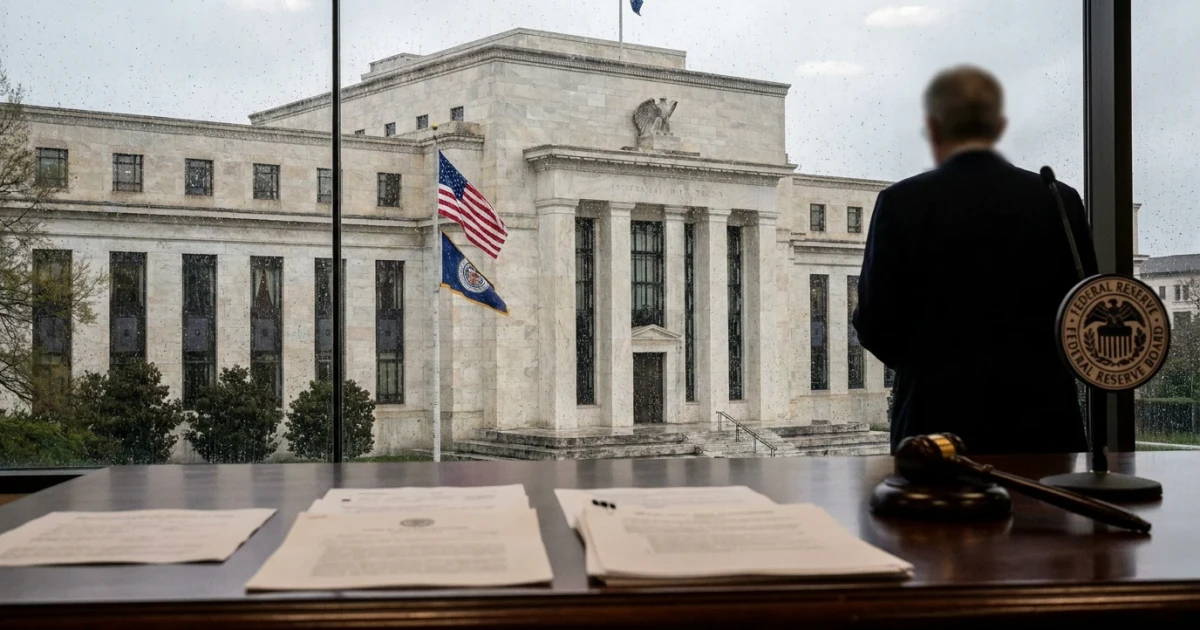
Federal Reserve Chair Jerome Powell has announced his intention to remain on the Federal Reserve Board despite ongoing legal actions initiated by the Trump administration. The decision comes at a time of heightened uncertainty for the central bank’s leadership and policy trajectory.
Powell’s Statement and Rationale
Powell’s announcement follows recent legal challenges from the Trump administration, which have cast doubt on the stability of the Fed’s leadership. According to AP News, Powell cited these legal actions as key reasons for his decision to remain in his current role, underscoring his commitment to ensuring continuity at the central bank during a period of political and economic tension.
Backdrop: Legal Actions and Central Bank Independence
The Trump administration’s legal maneuvers are seen by many observers as part of a broader effort to influence the direction of U.S. monetary policy. The Federal Reserve’s independence is a cornerstone of its credibility, and attempts to alter its leadership or operational autonomy have historically drawn scrutiny from both domestic and international markets. The legal context governing the Federal Reserve Board is detailed in the Code of Federal Regulations: Title 12, Chapter II, which outlines the procedures for appointments and removals of board members.
- The Federal Reserve Board consists of seven members who serve staggered 14-year terms.
- Chair and Vice Chair appointments are subject to presidential nomination and Senate confirmation, as recorded on Congress.gov’s nomination data.
- Legal challenges to a sitting chair are rare and can have significant implications for central bank independence.
Policy Implications: Fed Holds Rates Steady Amid Dissent
The Fed’s leadership uncertainty comes as the central bank recently voted to hold interest rates steady, despite the highest level of dissent among committee members since 1992, according to CNBC. The Federal Open Market Committee’s recent decisions and meeting records are available on the FOMC official record. Current federal funds rates remain at elevated levels, reflecting ongoing concerns about inflation and economic stability.
- Multiple FOMC members dissented in the latest policy vote, marking the sharpest division on rate decisions in over three decades.
- This high level of dissent signals internal debate over the appropriate path for monetary policy amid persistent inflation.
Analysis: What’s at Stake for the Fed?
Analysts note that the combination of leadership uncertainty and policy disagreement could complicate the Fed’s efforts to guide the economy. According to research from the Brookings Institution, the central bank’s effectiveness relies on both its institutional independence and the credibility of its leadership. Any perceived threats to these pillars can affect market confidence and the Fed’s ability to manage inflation, employment, and financial stability.
As Powell seeks to maintain stability at the Fed, the coming months may see further legal developments and ongoing debates within the central bank. Market participants and policymakers alike will be watching closely for any shifts in leadership or strategy that could impact the U.S. and global economies.