World
Power Politics Undermines Faith in International Law
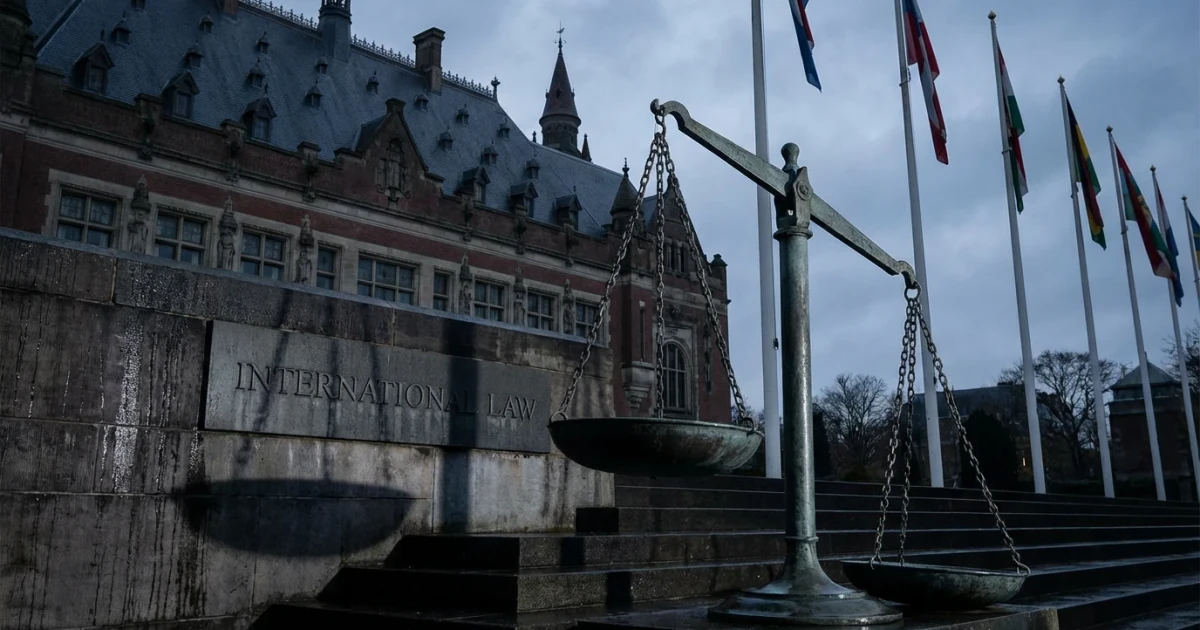
International law, long viewed as the framework guiding global order, is increasingly being challenged by the realities of power politics. While its principles are enshrined in foundational documents like the United Nations Charter, recent events and expert analyses highlight a widening gap between international legal norms and the actions of influential states.
The Promise and Practice of International Law
International law is designed to regulate state behavior, promote peace, and offer mechanisms for resolving disputes. Its institutions, such as the International Court of Justice (ICJ) and the United Nations Security Council, are intended to ensure accountability and collective security. However, real-world implementation often reveals limitations, especially when powerful nations are involved.
Selective Application and Enforcement Challenges
- Major powers frequently bypass or reinterpret international legal norms to suit their interests.
- Security Council decisions, including sanctions and peacekeeping mandates, are often subject to the veto power of permanent members, reducing their effectiveness. For official details, see the Security Council sanctions regime.
- Cases brought before the ICJ may be ignored or dismissed by states unwilling to accept adverse rulings, as reflected in the list of cases and outcomes.
This selective observance is not lost on the public or on legal scholars. As noted in The Friday Times, the belief in international law as a neutral arbiter is increasingly described as an "illusion" in the face of raw state interests.
Public Perception and Confidence
Public confidence in international law and global institutions is shaped by these inconsistencies. According to data from the Pew Research Center, global opinions about the United Nations and its effectiveness vary widely, with skepticism growing in regions that perceive major powers as above the law.
- Many citizens doubt the UN’s ability to enforce its resolutions impartially.
- Surveys show declining trust in international mechanisms to resolve conflicts or protect human rights when powerful states are involved.
Legal Frameworks vs. Geopolitical Reality
While the UN Charter and other treaties provide the legal foundation for state conduct, actual compliance often hinges on political will and balance of power. The World Justice Project’s Rule of Law Index reveals that adherence to international legal standards correlates closely with domestic governance quality and the relative influence of states.
As highlighted by The Friday Times, the post-World War II legal order was premised on the idea of collective security and equal sovereignty. Yet, in practice, powerful states have frequently acted unilaterally or formed selective alliances, sidelining international law when it conflicts with strategic objectives.
Looking Ahead: Reform and Realism
The debate over the role of international law is unlikely to subside. Some analysts and policymakers advocate for reforms to strengthen enforcement mechanisms and reduce the dominance of great powers in international institutions. Others suggest adopting a more pragmatic view, acknowledging that international law will always be mediated by politics and power.
For those seeking to understand the evolving landscape, resources such as the World Development Report and UNODC crime and justice statistics offer valuable insights into how legal norms intersect with governance, development, and security across different regions.
Ultimately, the tension between the ideals of international law and the realities of global power remains a central challenge for the international community. As geopolitical rivalries intensify, the effectiveness and credibility of legal frameworks will depend on renewed commitment—not just from small states and advocates, but critically from the world's most powerful actors.