US News
Prediction markets draw scrutiny as war bets raise insider trading fears

More than $1 billion has already been staked online on military decisions and outcomes in 2026. The war with Iran and the U.S. military operation to capture Venezuelan President Nicolás Maduro amplified the surge, with bettors around the world positioning on when attacks might happen and how they would unfold.
On April 23, 2026, the Justice Department charged U.S. Army Special Forces soldier Gannon Ken Van Dyke with using classified information about Operation Absolute Resolve to profit from Polymarket wagers. Prosecutors said Van Dyke placed roughly $34,000 in bets, including a half-dozen wagers the day before the raid, then netted more than $400,000 and tried to delete his account. The department said the case involved unlawful use of confidential government information, theft of nonpublic government information, commodities fraud, wire fraud and an unlawful monetary transaction, and described the conduct as insider trading under federal law.
The Anti-Corruption Data Collective found in late April that longshot bets in Polymarket military and defense markets won about 51.8% to 52% of the time, compared with roughly 14% in other political markets. Successful longshot betting spiked in the 12 hours before those markets resolved. Task & Purpose put the total wagered on military actions during the Iran war at nearly $2 billion.
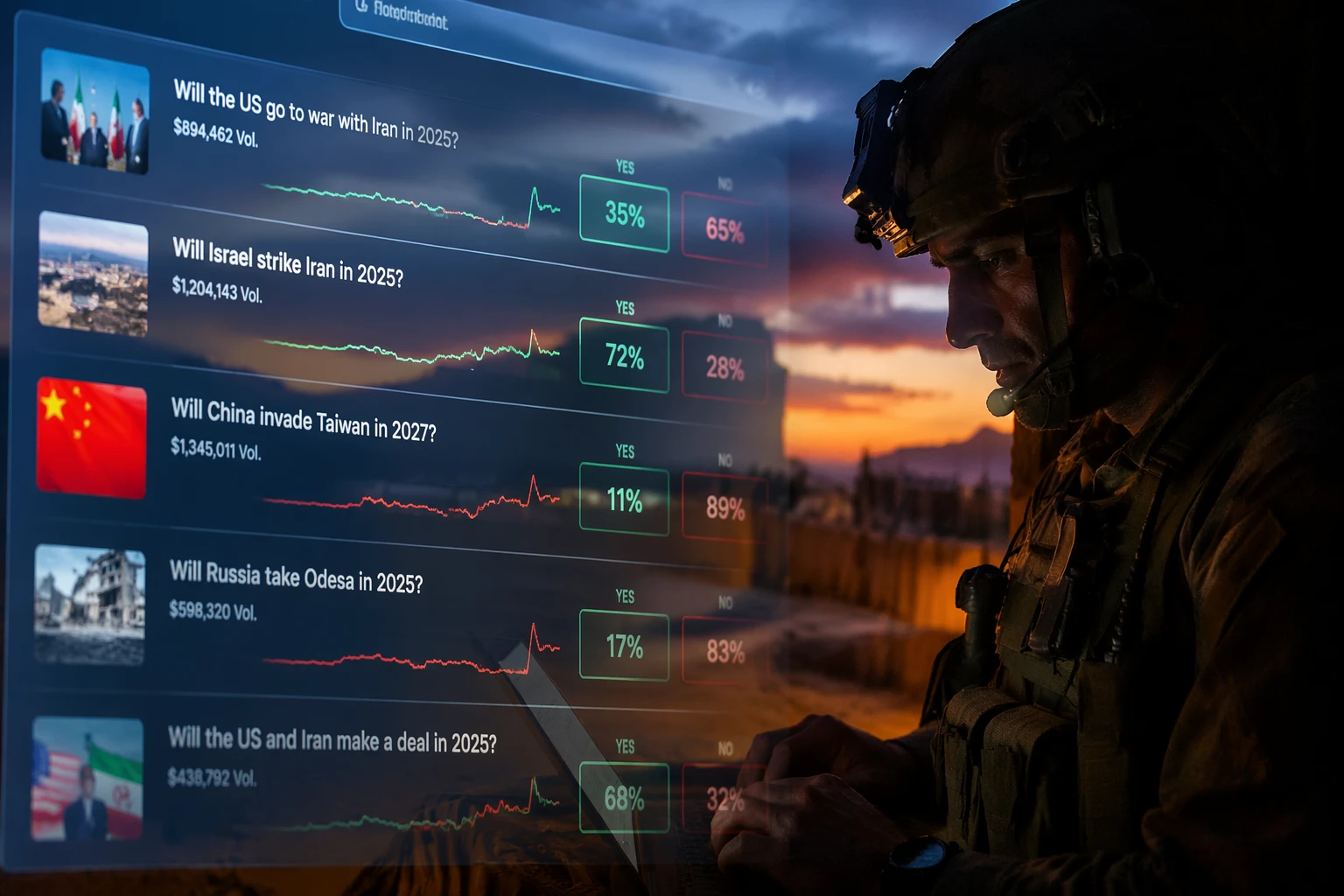
Bubblemaps said nine linked Polymarket accounts made more than $2.4 million with a 98% win rate across more than 80 bets tied to U.S. military actions against Iran. Wagers also appeared shortly before ceasefire or strike-related announcements.
House Oversight Committee Chairman James Comer launched an investigation on May 22 into insider trading on prediction market platforms and demanded records from Polymarket and Kalshi on identity verification, geographic restrictions and detection of suspicious trading. A New York Times investigation found more than 80 Polymarket users placed suspiciously timed bets before undisclosed U.S. and Israeli military operations against Iran. On April 7, seven House Democrats asked the Commodity Futures Trading Commission why it had not cracked down on offshore war bets, pointing to the military action in Venezuela and the attack on Iran as fresh insider-trading risks.

Kalshi has said it bans controversial bets like war and is CFTC-regulated. Polymarket, which operates offshore with limited U.S. access, said it cooperated with law enforcement.
Sources
- [1]cbsnews.com
- [2]justice.gov
- [3]acdatacollective.org
- [4]oversight.house.gov
- [5]cnbc.com
- [6]taskandpurpose.com