World
Pressure Mounts for Hospital Care of Jailed Nobel Laureate Narges Mohammadi
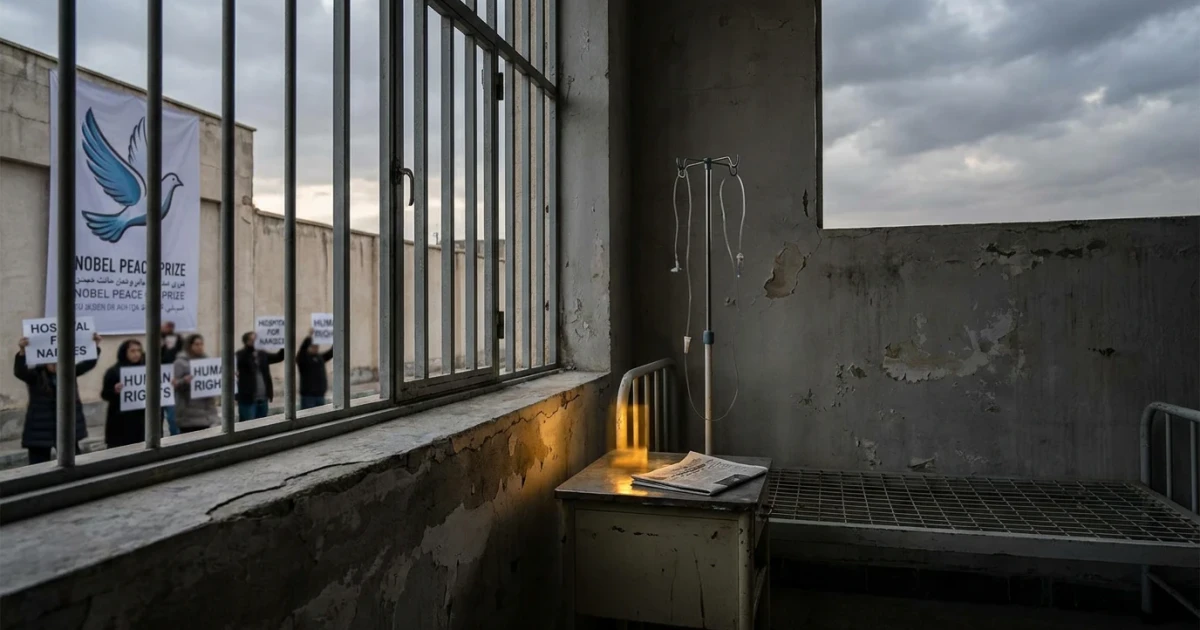
Narges Mohammadi, the imprisoned Iranian Nobel Peace Prize laureate, is at the center of growing international concern as advocacy groups and global leaders intensify calls for her to receive urgent hospital care while detained in Iran. Reports indicate that Mohammadi’s health has deteriorated significantly, sparking widespread appeals for immediate medical intervention and renewed scrutiny of Iran’s treatment of political prisoners.
Escalating Health Concerns in Prison
Mohammadi, awarded the 2023 Nobel Peace Prize for her activism against the oppression of women in Iran, has reportedly been hospitalized in critical condition, according to BBC and additional media coverage. Her supporters warn that the lack of adequate medical care in Iran’s prison system, especially for high-profile detainees, places her life at serious risk. Concerns have been heightened by her ongoing imprisonment for her advocacy efforts, which include championing women’s rights and criticizing Iranian government policies.
International watchdogs, including Amnesty International and Human Rights Watch, have previously documented systematic denial of healthcare to political prisoners in Iran, citing poor prison conditions and limited access to specialized treatment. Mohammadi’s case underscores these persistent issues, as she has reportedly suffered from pre-existing health problems exacerbated by incarceration.
Global Outcry for Immediate Hospitalization
The BBC reports a surge in calls from human rights organizations, fellow Nobel laureates, and international governments urging Iranian authorities to transfer Mohammadi to a hospital for appropriate medical care. The UN Human Rights Office has also expressed concern, emphasizing Iran’s obligations under international law to ensure the well-being of detainees.
- Mohammadi’s family and supporters have echoed these demands, warning that delays in treatment could have "irreversible" consequences for her health.
- Advocacy campaigns, such as those coordinated by PEN International, highlight the broader crisis facing political prisoners and activists in Iran.
Wider Context: Human Rights in Iran’s Prisons
Narges Mohammadi’s plight draws attention to the wider issue of human rights and prison conditions in Iran. According to recent analyses, Iran has faced persistent criticism for its treatment of political detainees, with reports of inadequate medical facilities, overcrowding, and denial of necessary care. Human Rights Watch’s 2024 country report points to a pattern of authorities refusing or delaying hospital transfers for prisoners suffering from serious conditions, often as a punitive measure.
These systemic problems are compounded for women activists, who are frequently subjected to additional restrictions and surveillance. Mohammadi’s activism, particularly her opposition to Iran’s mandatory hijab laws, continues to make her a target for government reprisals.
International Response and Ongoing Advocacy
The campaign for Mohammadi’s hospital transfer is part of a broader push for the release of political prisoners in Iran. Several international organizations and Western governments have called for her immediate and unconditional release, citing both humanitarian grounds and her right to adequate medical treatment under international standards. The Nobel Committee’s recognition of Mohammadi has elevated her case, drawing unprecedented attention to the conditions faced by Iranian dissidents.
Looking Ahead
As pressure mounts, the Iranian government faces renewed scrutiny over its human rights record and the treatment of high-profile prisoners like Narges Mohammadi. Observers warn that failure to provide adequate medical care could result in severe health consequences and further international condemnation. Advocacy groups continue to monitor the situation closely, emphasizing that Mohammadi’s case is emblematic of broader challenges facing prisoners of conscience in Iran.