US News
Pride Flag Taken Down at Stonewall Monument After Federal Order
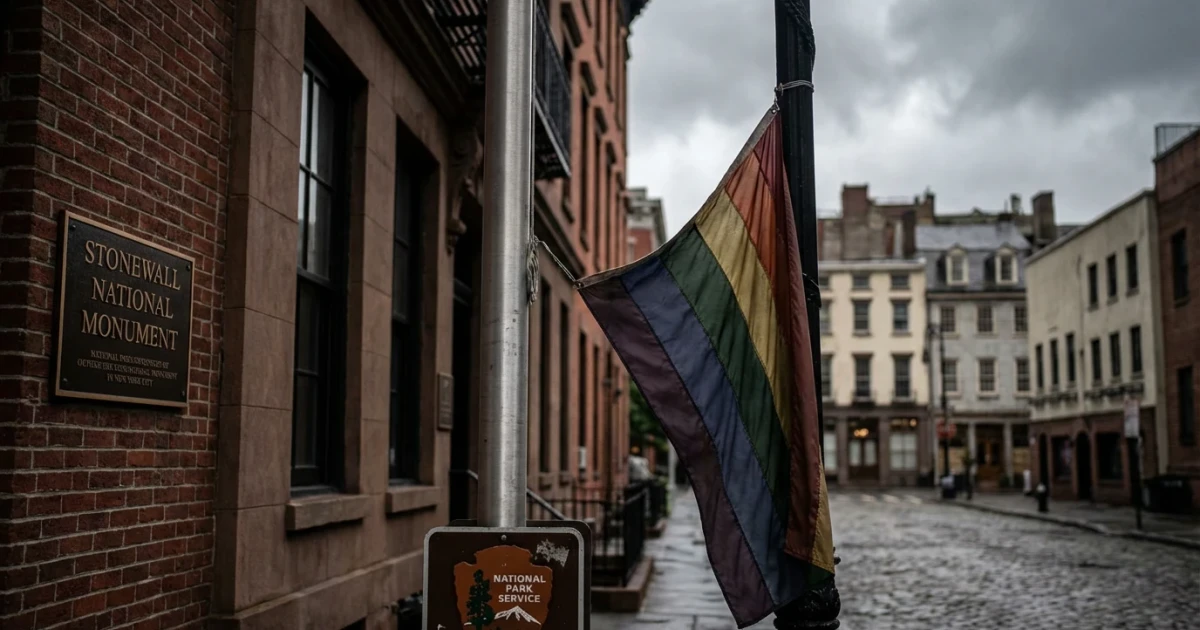
The Stonewall National Monument, a site emblematic of LGBTQ+ history, saw its Pride flag removed this week in compliance with a directive from the Trump administration, as reported by The New York Times. The action has reignited discussion about the visibility and recognition of LGBTQ+ communities in federally managed spaces.
Federal Directive Leads to Flag Removal
The New York Times detailed that the removal followed a specific order from the Trump administration, which called for the Pride flag to be taken down from the monument. The Stonewall National Monument, established in 2016, commemorates the 1969 Stonewall uprising, a pivotal event in the fight for LGBTQ+ rights. The Pride flag has long served as a symbol of inclusion and remembrance at the site.
According to the official National Park Service foundation document, the monument’s mission is to recognize the significance of the Stonewall uprising and the ongoing struggle for LGBTQ+ equality. The presence of the Pride flag has been seen by many as an important acknowledgment of that mission.
The Significance of Stonewall
The Stonewall National Monument is situated in Manhattan’s Greenwich Village, encompassing the area around the Stonewall Inn where the 1969 uprising took place. The site was designated as the first U.S. national monument to LGBTQ+ rights, as outlined in the National Park Service’s detailed history and significance page. The monument attracts thousands of visitors each year, with annual visitation statistics showing steady interest from both the LGBTQ+ community and the general public.
- The monument was dedicated in 2016, recognizing the Stonewall uprising as a turning point in LGBTQ+ history.
- It encompasses Christopher Park and parts of the surrounding neighborhood, maintaining physical reminders of the 1969 events.
- In recent years, the Pride flag had become a fixture at the monument, especially during Pride Month and commemorative events.
Policy and Precedent
The Trump administration’s directive aligns with prior federal policies regarding flag displays on government property. According to the Federal Register of executive orders from 2017, there have been debates about which flags are permitted to fly at federally managed sites. The removal of the Pride flag at Stonewall is consistent with a push for stricter adherence to official flag protocols during the Trump presidency, though the policy has been controversial among advocacy groups and some public officials.
Impact on LGBTQ+ Visibility
The Pride flag’s removal has sparked concern among advocates who see the symbol as vital for LGBTQ+ visibility, especially at a site so closely associated with the movement’s history. Data from organizations such as GLSEN shows that visible symbols of support, like the Pride flag, have a positive impact on feelings of inclusion and safety for LGBTQ+ people in public spaces.
The Human Rights Campaign notes in their resources on the history and symbolism of Pride that public displays of the flag serve as a reminder of progress made and challenges that remain for equality. The removal at Stonewall, in particular, carries symbolic weight given the monument’s historic significance.
Looking Forward
As the Stonewall National Monument continues to serve as a gathering place and symbol of LGBTQ+ rights, the removal of the Pride flag has become a focal point for ongoing debate about the role of federal policies in either supporting or constraining public recognition of marginalized groups. The action has prompted calls from some activists and organizations for the restoration of the flag and for clearer guidelines on the display of inclusive symbols at historic sites.
While the Trump administration’s directive is being followed, the conversation around representation, visibility, and historical memory at Stonewall and similar sites is likely to continue, reflecting broader societal debates over who is seen and whose stories are told at America’s most significant landmarks.