Sports
Prince William’s Aston Villa loyalty shapes his royal football role
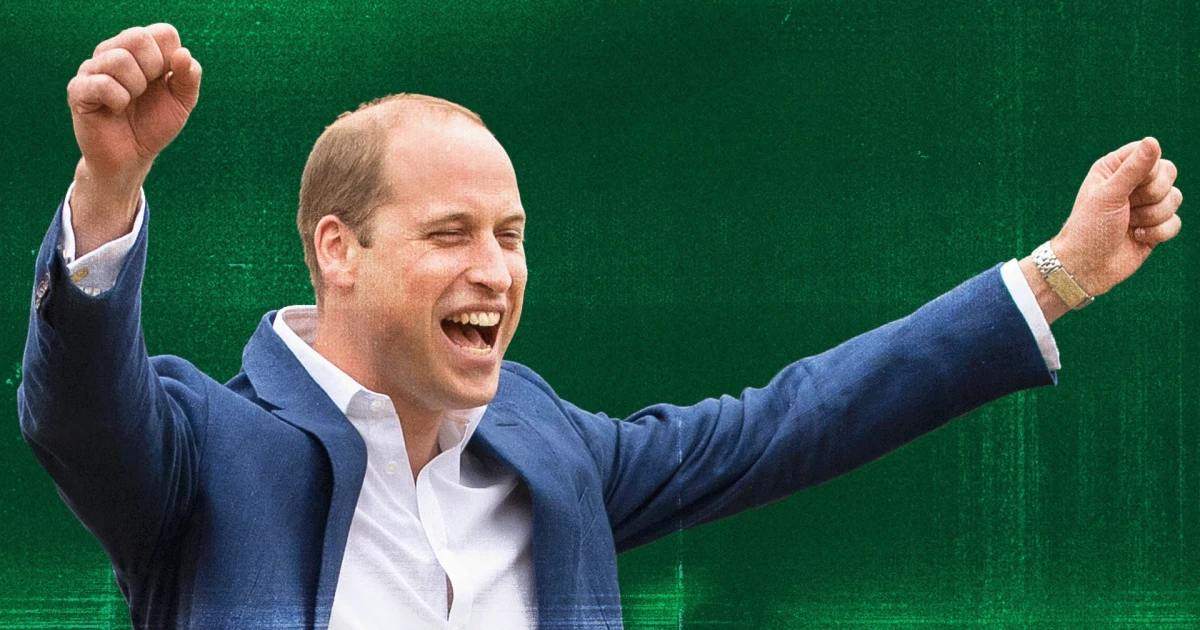
Prince William’s Aston Villa loyalty gives his football role a different register from the old royal habit of polo. It places the heir to the throne inside a sport that is woven into everyday British life, through a club he has backed since childhood and a national game he now helps represent at the highest level.
A club tie that began in childhood
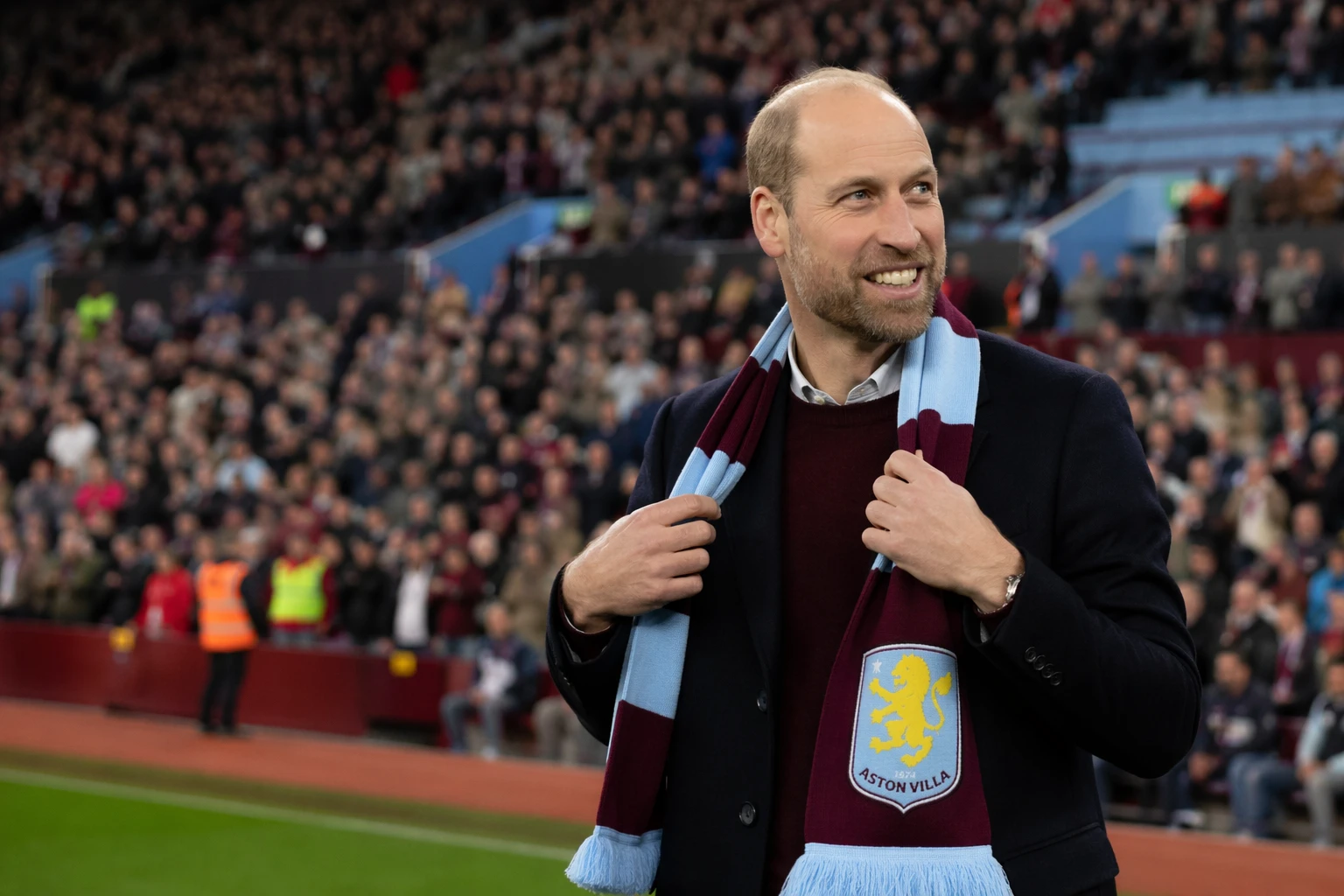
The central fact is simple: William has supported Aston Villa Football Club since he was a child. The Royal Family’s own material frames him as an avid football fan, and later reporting has filled in the human detail behind that loyalty, saying he fell in love with Villa after being taken to matches by family friends when he was younger.
That background matters because it makes his support look less like ceremonial branding and more like inherited habit turned personal conviction. He has said the atmosphere and camaraderie at Villa Park made him feel he belonged there, a line that fits the club’s role in his public image: not as an aloof observer of football, but as someone who found his way into it through the same emotional currents that bind many supporters to a team.
From supporter to FA president
William’s football role moved from the stands into administration in September 2005, when he was appointed President-Designate of The Football Association. He became President of the FA in May 2006, taking over from his uncle, the Duke of York. That transition placed him inside one of the sport’s most important institutions at a time when football was already central to Britain’s national identity.
The FA says a member of the Royal Family has provided additional support to its patron since 1939, which gives William’s appointment historical continuity as well as symbolism. In July 2024, he was named Patron of the Football Association, formalizing a role that already reflected his long involvement with the game. By 2026, he had reached 20 years as FA President, a milestone that underscores how deeply football has become part of his public duties.
Why football works differently from aristocratic hobbies
William’s Aston Villa support matters because football travels differently from older royal pastimes. Polo, by contrast, remains associated with elite leisure and a narrow social world. Football reaches terraces, local clubs, school pitches, and national tournaments, giving a future king a point of connection that is broad, familiar, and immediately legible to millions.
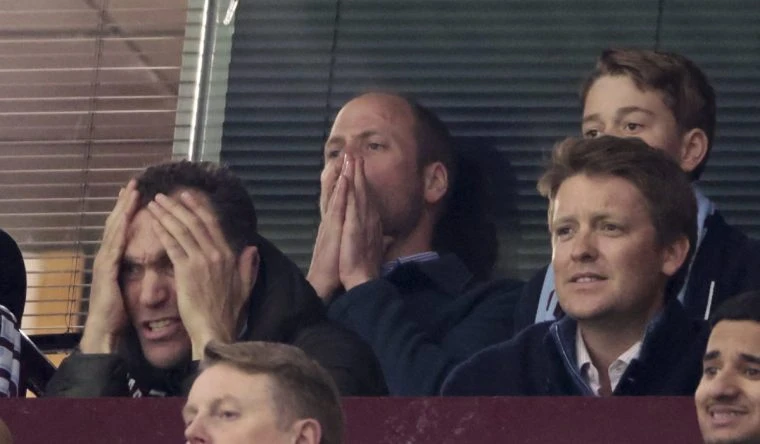
That is why his visible support for Villa, England, and the FA reads as more than fandom. It is a form of public alignment with a mass culture that cuts across class and region. When a royal figure is seen at Villa Park or in the stands for England, the image is not of distance but of participation in a shared civic ritual that many people experience as part of national life.
The royal calendar of football
The Royal Family says William regularly attends FA Cup finals and England games, and those appearances give his football identity a recurring public rhythm. He has used those moments to show up where football matters most: at Wembley for the FA Cup Final and at England fixtures that carry national attention.
That pattern dates back to the early phase of his FA leadership. In 2006, he was due to attend the FA Cup Final in Cardiff and later traveled to Germany to watch England v Paraguay in the opening round of the World Cup, both in his capacity as FA president. Those appearances established a template that still defines his role: part ceremonial patron, part committed supporter, part national representative.
Football as a platform for public work
William has also used football for a policy purpose, especially on mental health. Through the Heads Up campaign, developed with The Royal Foundation, he helped use the sport’s reach to encourage conversations about mental well-being. That work turned football into more than a leisure interest: it became a channel for civic engagement and a way to speak to men and boys, in particular, through a culture they already follow.
His 2010 Wembley speech set out the broader logic. He argued that sport sits at the heart of national culture, placing football inside the same civic space as identity, belonging, and public life. That idea has been reinforced by the way he talks about the game itself: he has publicly described football as a game he loves playing and watching, a plain-spoken formulation that helps him sound less like an institution and more like a supporter.
Villa as family story, and future monarchy
The Aston Villa link has also become a family story. In 2025, coverage noted that William had discussed whether his three children, Prince George, Princess Charlotte, and Prince Louis, would follow him as Villa fans. That detail shows how the club has moved from his own childhood into the next generation of royal life, turning allegiance into a form of family continuity rather than an isolated personal preference.
That future matters for the monarchy itself. William’s football allegiance connects him to Britain in a way that older royal hobbies did not, because it is grounded in a national sport that is both mass-participation and mass-viewing. As he continues to occupy a larger share of the royal football space, his Aston Villa loyalty gives that role a distinctly modern shape: less patrician distance, more shared culture, and a clearer route to meeting Britain on popular ground.