World
Princess warns against screen-mediated childhood after Britain’s social media ban

A royal essay about childhood and screens landed just days after Britain moved to block social media platforms from offering services to children under 16, turning Catherine, Princess of Wales, into an unlikely but influential voice in a fast-moving policy fight.
Published on June 19, 2026 by The Royal Foundation Centre for Early Childhood, the essay drew on Catherine’s May visit to Reggio Emilia, Italy, her first overseas trip since she announced cancer treatment in 2024. In it, Catherine argued that children need genuine human connection and loving environments to thrive in an increasingly digitalised world, linking that case to Reggio Emilia’s internationally admired early-years model, which centers on curiosity, relationships and community participation.
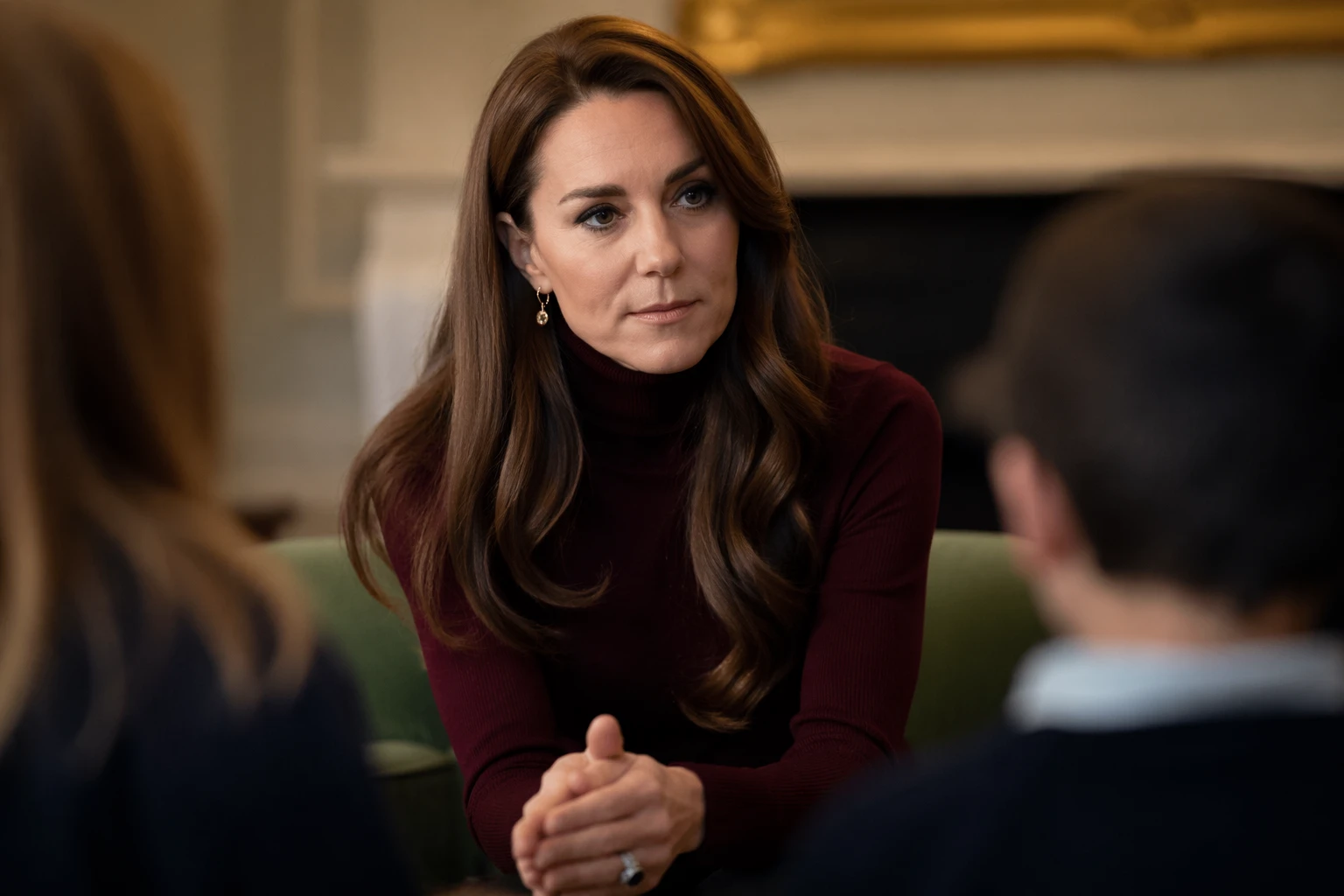
The timing matters. On June 15, 2026, Prime Minister Keir Starmer announced that social media companies would be blocked from offering services to under-16s. The UK government said the first regulations are expected in spring 2027, and that the rules will also target some harmful features for under-18s, including livestreaming and stranger contact.
Officials pointed to unusually strong public backing. A national consultation drew more than 116,000 responses, with the government saying 9 in 10 parents supported an under-16 social media ban. Two-thirds of young respondents backed age restrictions for under-16s on at least some platforms, suggesting broad concern well beyond the adult political class. Ofcom said it is preparing to implement the new restrictions.
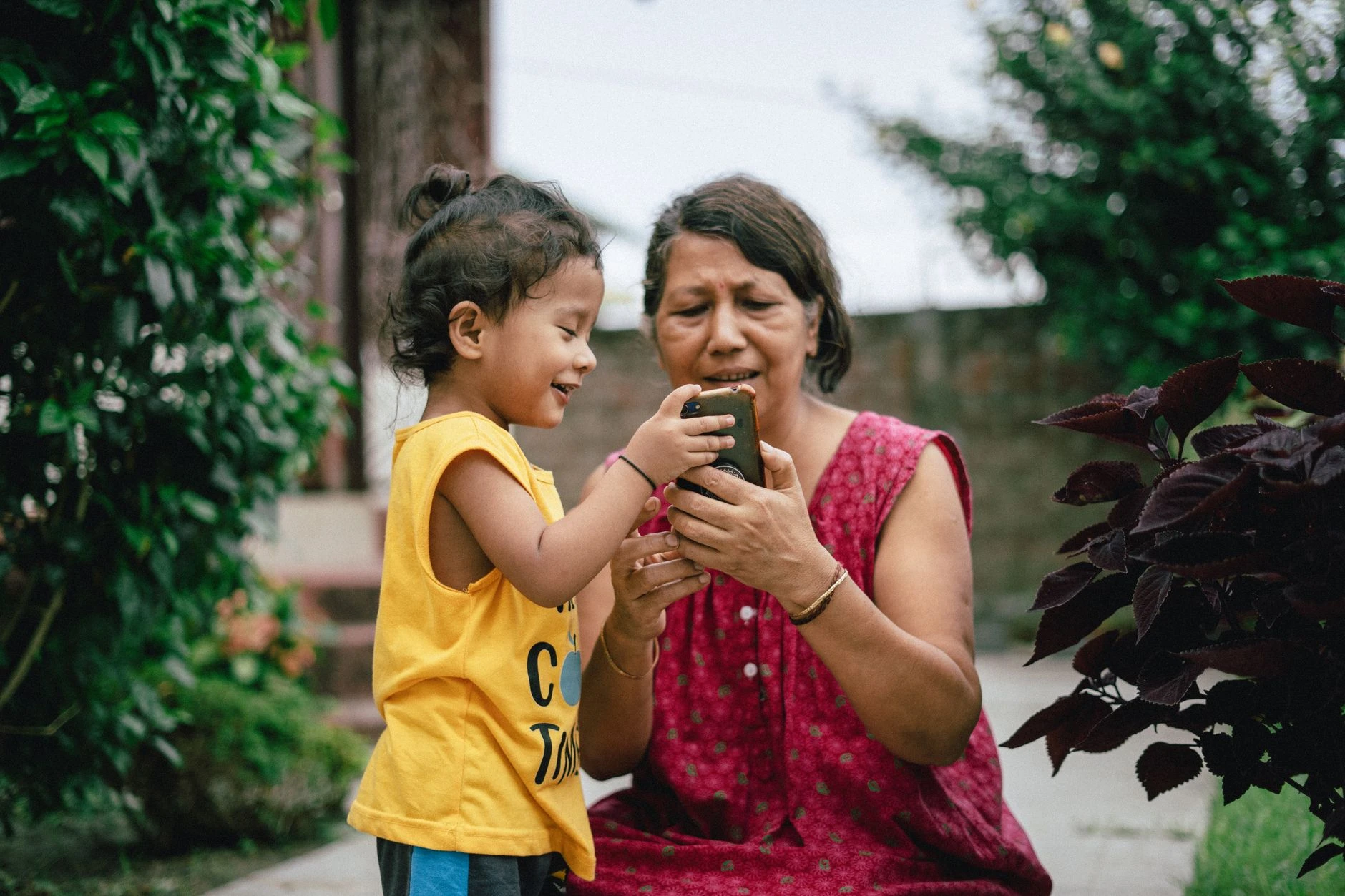
The move is already drawing the familiar split between child-safety advocates and critics who warn that enforcement will be difficult and that teenagers may simply migrate to less regulated spaces online. That tension sits at the center of the broader debate now unfolding in Britain: whether restrictions on children’s digital lives are being driven by clear evidence about child development, or by a mix of political momentum and parental anxiety.
Catherine has been building this argument for years. In 2025, she warned that smartphones and computer screens can create an “epidemic of disconnection” in family life. Her work with Harvard professor Robert Waldinger on a 2025 essay about human connection and early childhood pushed the same message, tying children’s social and emotional development to the quality of relationships around them.

The Princess’s latest intervention gives the government’s ban a more moral and developmental frame at exactly the moment Britain is trying to turn public concern into regulation. The question now is whether the new rules will follow the evidence on child well-being, or simply harden a growing cultural consensus before the first restrictions arrive in spring 2027.
Sources
- [1]nytimes.com
- [2]centreforearlychildhood.org
- [3]gov.uk
- [4]ofcom.org.uk
- [5]news.sky.com
- [6]apnews.com