Technology
Prioritizing People as AI Transforms the Workplace
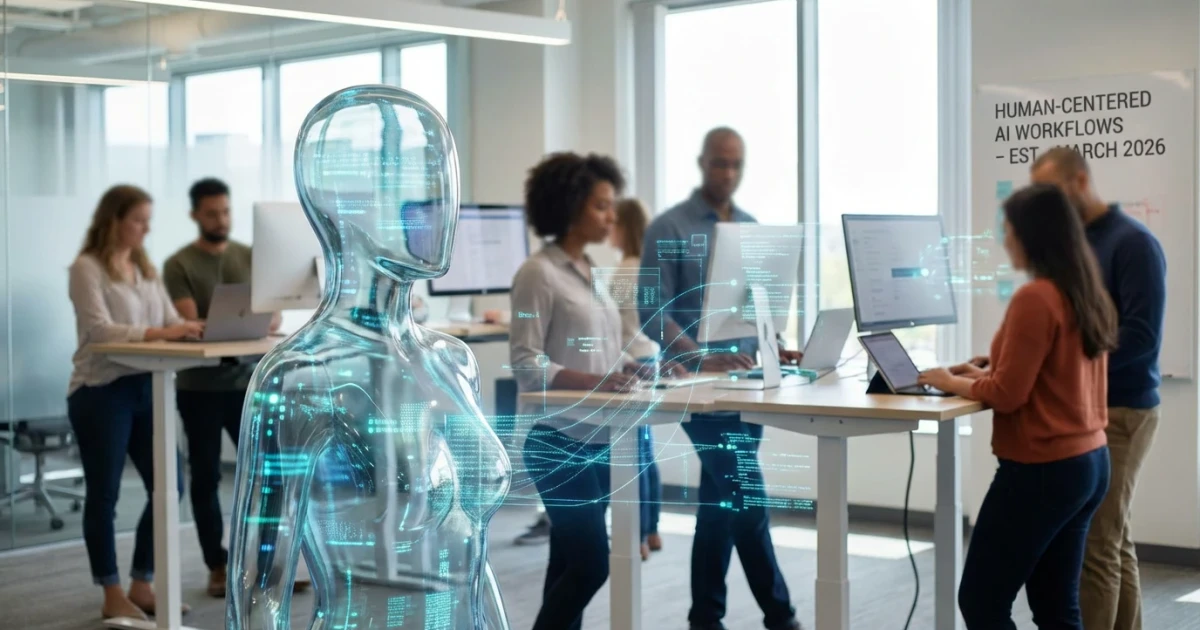
Artificial intelligence (AI) is rapidly changing the global workforce, sparking both optimism and concern about the future of work. As automation and AI technologies transform industries, experts at Brookings are advocating for a people-first approach—one that places workers' needs, agency, and well-being at the center of policy and business decisions.
AI's Expanding Role in the Workplace
The integration of AI into business operations is accelerating, affecting everything from manufacturing to healthcare and retail. While this technological shift offers opportunities for higher productivity and new types of jobs, it also raises challenges related to job displacement, reskilling, and worker security.
- According to the World Economic Forum's Future of Jobs Report 2023, an estimated 23% of jobs globally are expected to change by 2027 due to AI and automation.
- OECD data show that the employment rate in many advanced economies remains robust, but the distribution of these jobs and the required skillsets are shifting quickly.
- Digital and ICT skills are increasingly in demand, highlighting the need for widespread workforce upskilling and reskilling initiatives.
Why a People-First Vision Matters
The Brookings analysis emphasizes that a successful transition to an AI-driven economy depends on policies and business practices that empower workers, not just increase efficiency. Putting people first means:
- Ensuring access to education and training for all workers, especially those in roles most vulnerable to automation.
- Providing social safety nets and career transition support to workers whose jobs are at risk.
- Fostering environments where worker rights and well-being are protected, including fair wages, benefits, and opportunities for advancement.
Rather than viewing workers as passive recipients of change, the people-first vision argues for treating them as active agents in shaping their own futures. This involves listening to worker input, supporting lifelong learning, and designing technologies that complement human capabilities rather than replace them.
Challenges to Implementation
Despite broad agreement on the importance of prioritizing people, implementing this vision faces several hurdles:
- Uneven access to digital infrastructure and training, especially in rural or underserved communities.
- Potential gaps in public policy and business investment in AI adaptation strategies.
- Rapid technological advances outpacing the development of worker protection frameworks.
The Brookings report highlights that policymakers must collaborate with businesses, labor organizations, and educators to close these gaps. Anticipating future disruptions and building agile support systems is essential for shared prosperity.
Policy Solutions and Business Strategies
Leading experts and international organizations are recommending a range of solutions to realize a people-first approach:
- Expanding government and employer investments in reskilling and upskilling programs tailored to emerging job categories.
- Creating portable benefits and flexible safety nets that support workers across multiple jobs or gig work arrangements.
- Promoting ethical AI deployment guided by frameworks like the NIST AI Risk Management Framework, which emphasizes transparency, accountability, and human oversight.
- Strengthening partnerships between industry, government, and educational institutions to align curricula with the skills needed for future jobs.
Looking Ahead: Building an Inclusive Future
The future of work in the age of AI is not predetermined. While the pace of change is undeniable, the Brookings vision underscores that societies have agency in directing these transformations toward more inclusive and equitable outcomes.
By prioritizing worker empowerment, investing in education and training, and designing supportive policies, governments and businesses can help ensure that the AI era is one where all workers have the opportunity to thrive.
As the labor market continues to evolve, ongoing dialogue among stakeholders and adaptive approaches will be key to sustaining both economic growth and social cohesion. For readers interested in the latest employment trends, the ILO World Employment and Social Outlook 2023 offers additional insights into global workforce dynamics in the context of AI and automation.