Business
Private equity firm LongRange Capital emerges as buyer for Pizza Hut
Pizza Hut is poised to join a portfolio that already spans gyms, ski investments, convenience food and funeral products. LongRange Capital has emerged as a buyer for the chain, a move that casts the deal as part of a broader private equity playbook: buy a recognizable brand with operational problems, push for a turnaround, and decide whether value comes from better execution or from tighter financial engineering.
LongRange, founded in 2019 by Bob Berlin, is built around middle-market investments and says it takes a longer-term, company-focused, customer-first approach. Berlin previously spent a decade overseeing private equity investments at The Baupost Group, including an investment in Arby’s. The firm’s current holdings include 24 Hour Fitness, Batesville, Bakkavor, Alpin Unlimited and US Synthetic, a mix that shows how broadly it hunts for brands with room to be fixed, repositioned or financially reset.
The Batesville deal gives a clear example of the model LongRange is pursuing. LongRange bought the deathcare company from Hillenbrand in a transaction valued at about $761.5 million that closed on February 1, 2023. Batesville describes itself as one of North America’s leading providers of burial and cremation products, merchandising, memorialization offerings and technology solutions. In January 2026, LongRange partnered with 24 Hour Fitness founder Mark Mastrov to acquire the gym chain, with Mastrov returning as owner and executive chair. 24 Hour Fitness says it has about 7,000 team members and supports more than 113 million workouts a year.
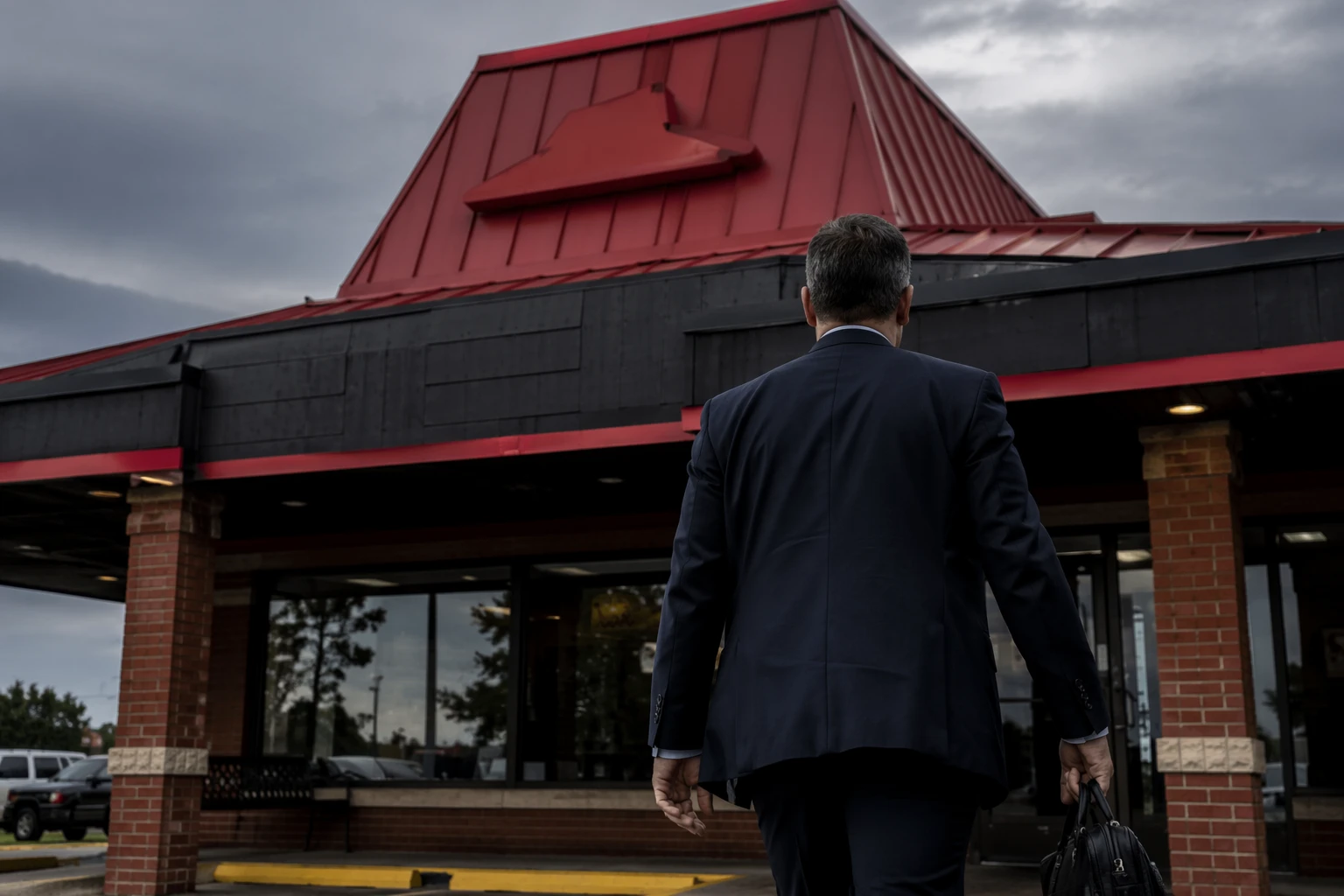
Pizza Hut fits the same logic, but with a harder turnaround ahead. Yum Brands said in February 2026 that the chain would close about 250 underperforming U.S. locations in the first half of 2026 as part of its “Hut Forward” plan. Pizza Hut ended 2025 with 6,307 U.S. stores, yet Reuters reported that it accounted for only about 12% of Yum’s 2025 revenue and had posted 10 straight quarters of declining U.S. comparable sales.
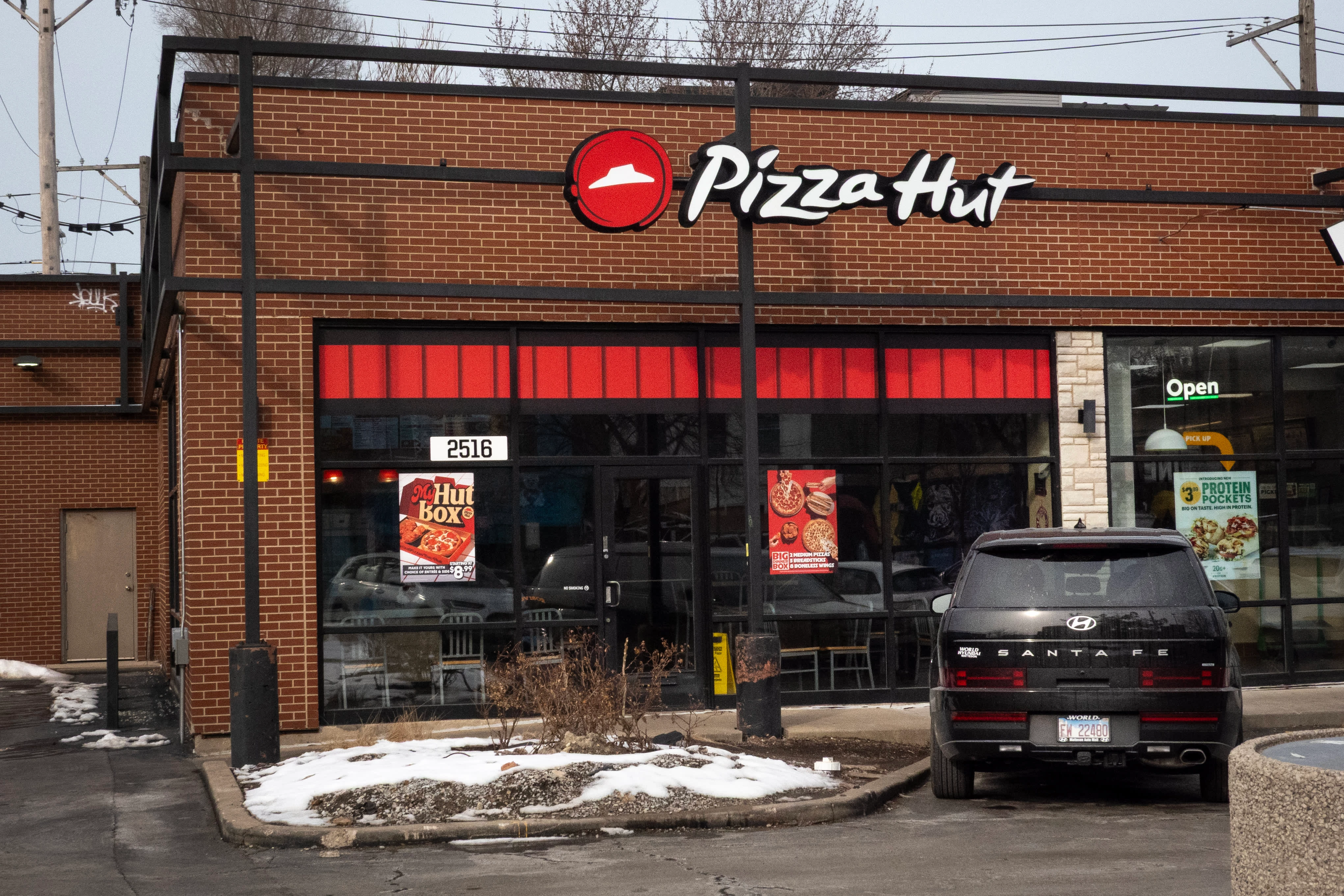
For Yum, a sale would let it concentrate on KFC and Taco Bell, its stronger brands. For LongRange, the appeal is a business with scale, brand recognition and obvious operational strain, the kind of asset private equity often sees as fixable. Reports said LongRange was ahead of other suitors, including Sycamore Partners and Apollo Global Management, and Yum shares rose about 3% in extended trading after the sale reports.

The larger question is whether LongRange can create value by improving stores, menus and execution, or whether the real return will come from the familiar private equity tools of restructuring, leverage and cost cutting. Pizza Hut will test which version of the playbook LongRange intends to run.