Science
Private mission tests extending satellite life after fuel runs out

Northrop Grumman's Mission Robotic Vehicle and three Mission Extension Pods lifted off on a SpaceX Falcon 9 from Cape Canaveral, Fla., on July 21, sending a two-armed servicing spacecraft toward geostationary orbit. The flight is a test of whether satellites can keep working after their maneuvering fuel runs out, instead of being replaced as soon as they can no longer hold position.
The money at stake is large. Geostationary communications satellites can cost hundreds of millions of dollars to build and launch, and many still have functioning antennas, solar arrays and transponders when their fuel runs low. A successful rendezvous in orbit could give operators years of extra service, delay a costly replacement and turn life extension into a recurring line of business rather than a one-off rescue mission.
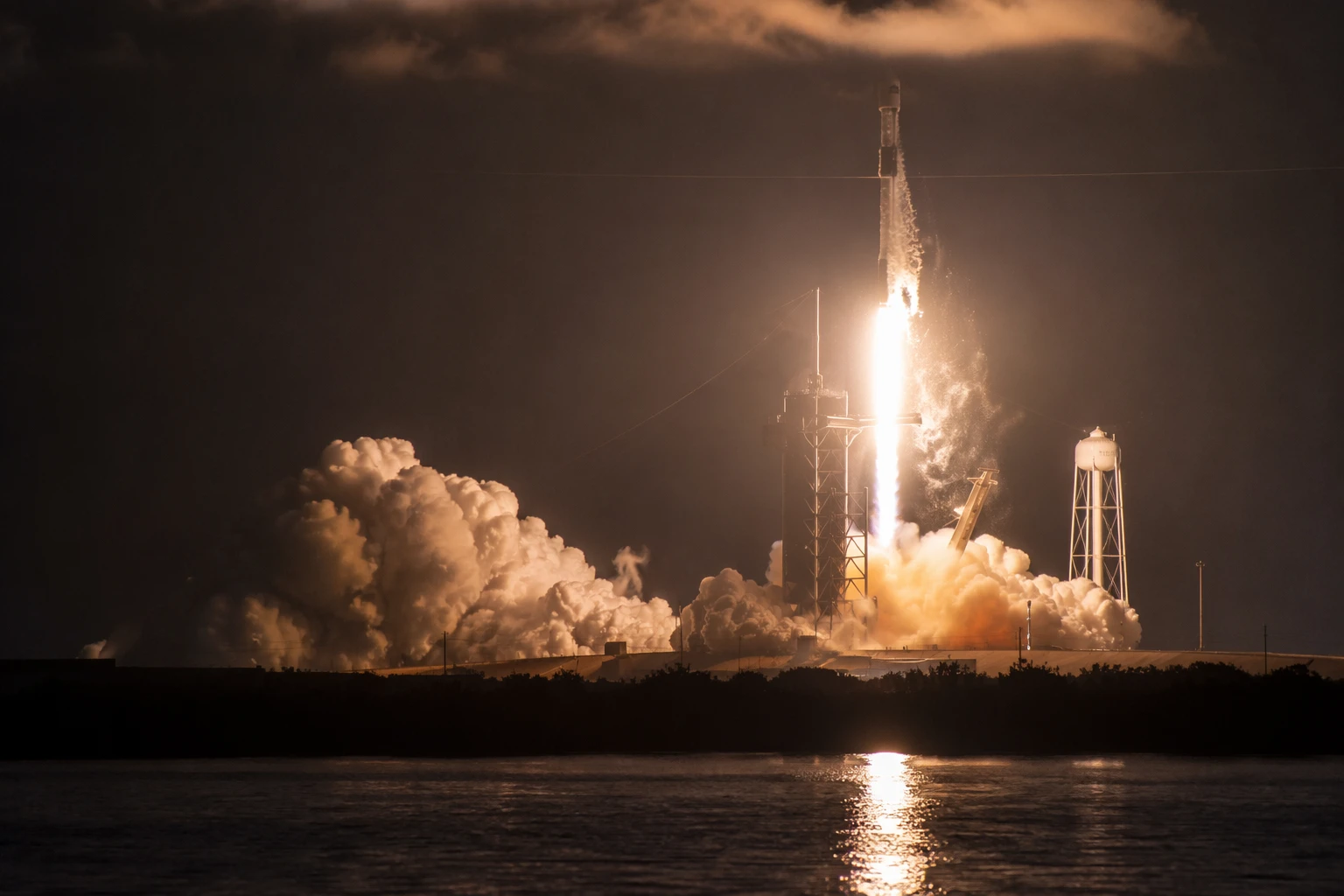
Northrop Grumman's SpaceLogistics unit says the MRV is a next-generation robotically enabled servicing vehicle built for GEO satellites. The company said the launch was meant to make satellite servicing routine, and SpaceNews said the vehicle is designed to install propulsion pods on three commercial satellites in geostationary orbit. Unlike the old launch-and-replace model, the new approach treats spacecraft more like maintainable assets that can be upgraded after deployment.
The technology builds on Northrop Grumman's earlier Mission Extension Vehicle program. MEV-1 launched in October 2019 and MEV-2 in August 2020, both aimed at aging satellites that were still functional but short on fuel. On April 9, 2025, Northrop Grumman said one of those vehicles successfully undocked from Intelsat's IS-901 satellite after completing its life-extension service, a milestone the company described as the first undocking between two commercial spacecraft in geosynchronous orbit.
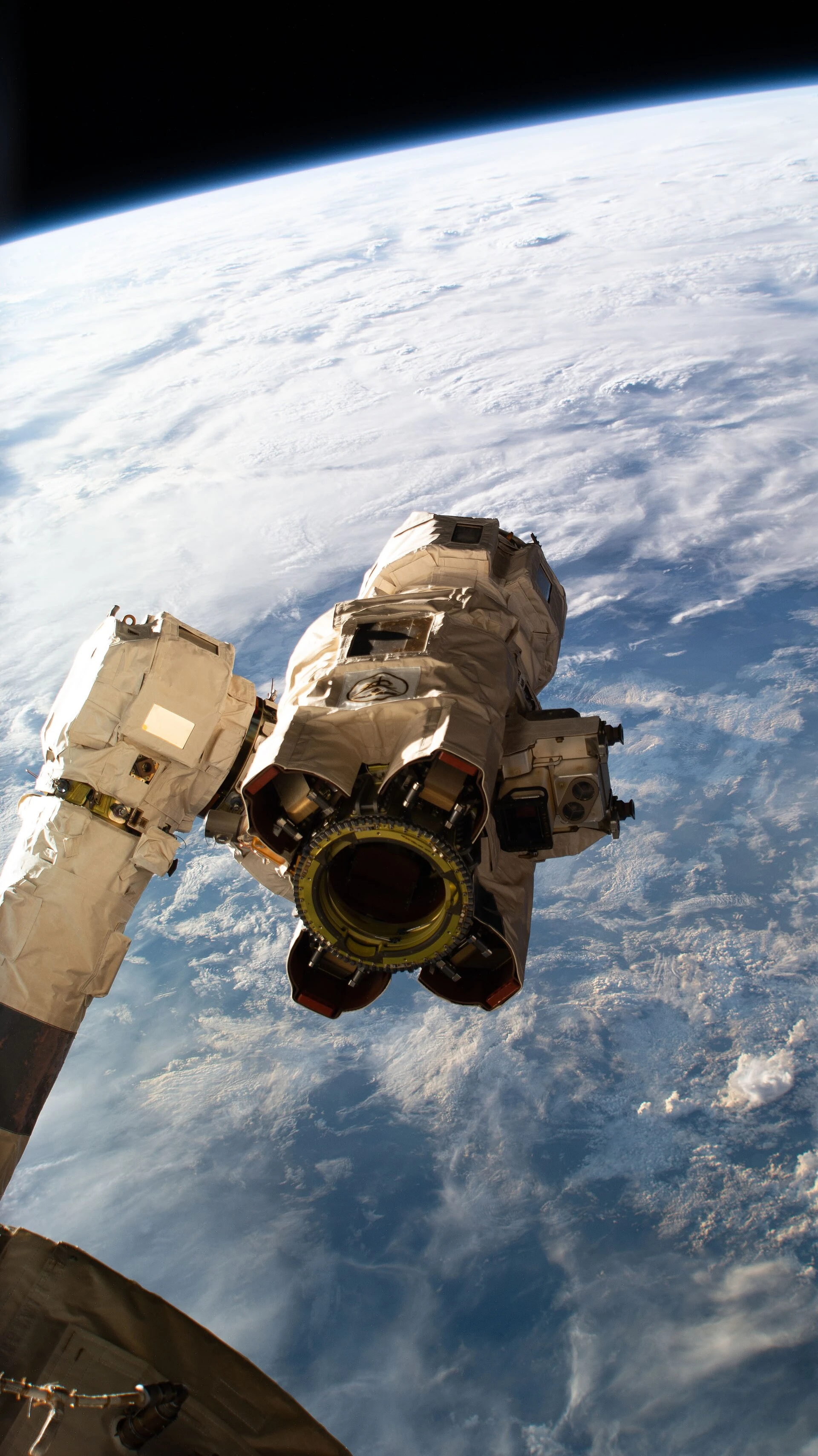
If the MRV works as planned, the implications reach beyond one satellite fleet. Operators could stretch the life of expensive spacecraft in geostationary orbit, where interruptions can affect television, radio, weather and military communications. The shift would also push manufacturers to design future satellites with servicing in mind, while insurers and launch providers would have to account for spacecraft that are repaired and refueled in orbit rather than retired.