Science
Private mission to rescue NASA telescope hits trouble
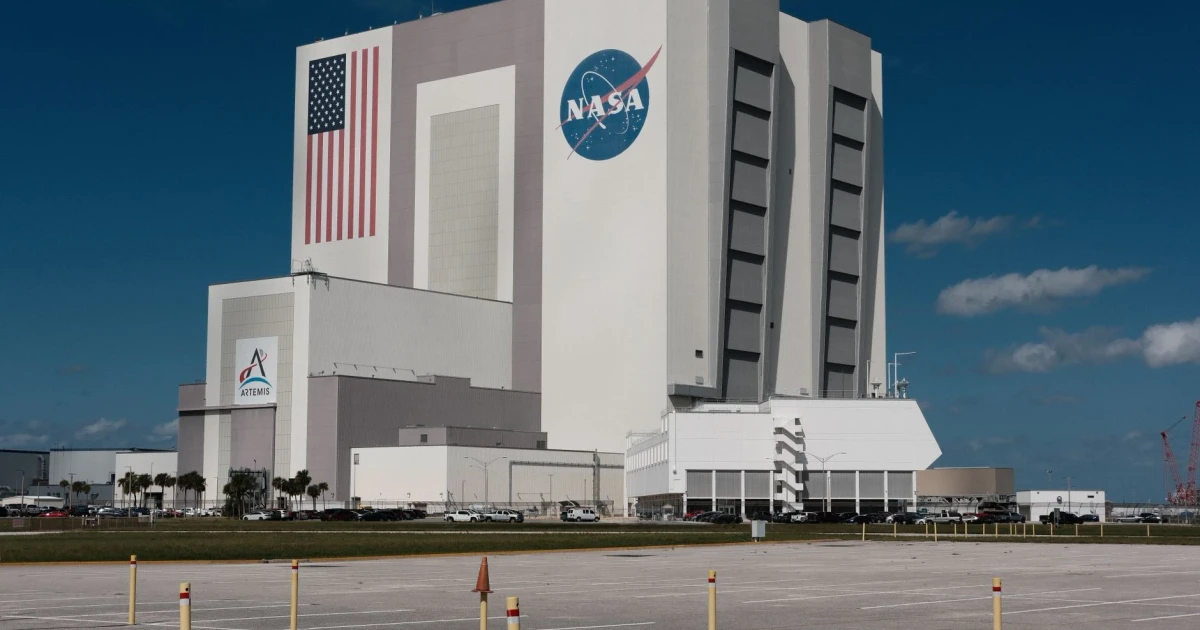
NASA’s $30 million plan to save the Swift Observatory ran into trouble as Katalyst Space Technologies tried to carry out the first-of-its-kind robotic rescue of the 2004 telescope. The mission was designed to catch a spacecraft whose orbit is decaying, with recent solar activity making Swift descend faster than expected.
That narrowing window is what made the effort so urgent. A June 23 ABC News report said Swift could be destroyed in months if nothing was done, and a June 30 CBS News update said NASA would try the rescue as soon as Tuesday morning. The timing underscored how little margin remained for a spacecraft that has already spent more than two decades in orbit.
The Swift case has become a test of whether private contractors can do more than launch satellites and ferry cargo. Katalyst was tasked with a complex in-space operation that requires precision navigation, software reliability, and a clean rendezvous with a government science asset that cannot simply be replaced if the attempt goes wrong. A NASA thermal-vacuum test photo dated April 17 showed Kieran Wilson and Hunter Robertson at NASA’s Goddard Space Flight Center during preparations for thermal testing, a reminder of how much ground work preceded the orbiting attempt.
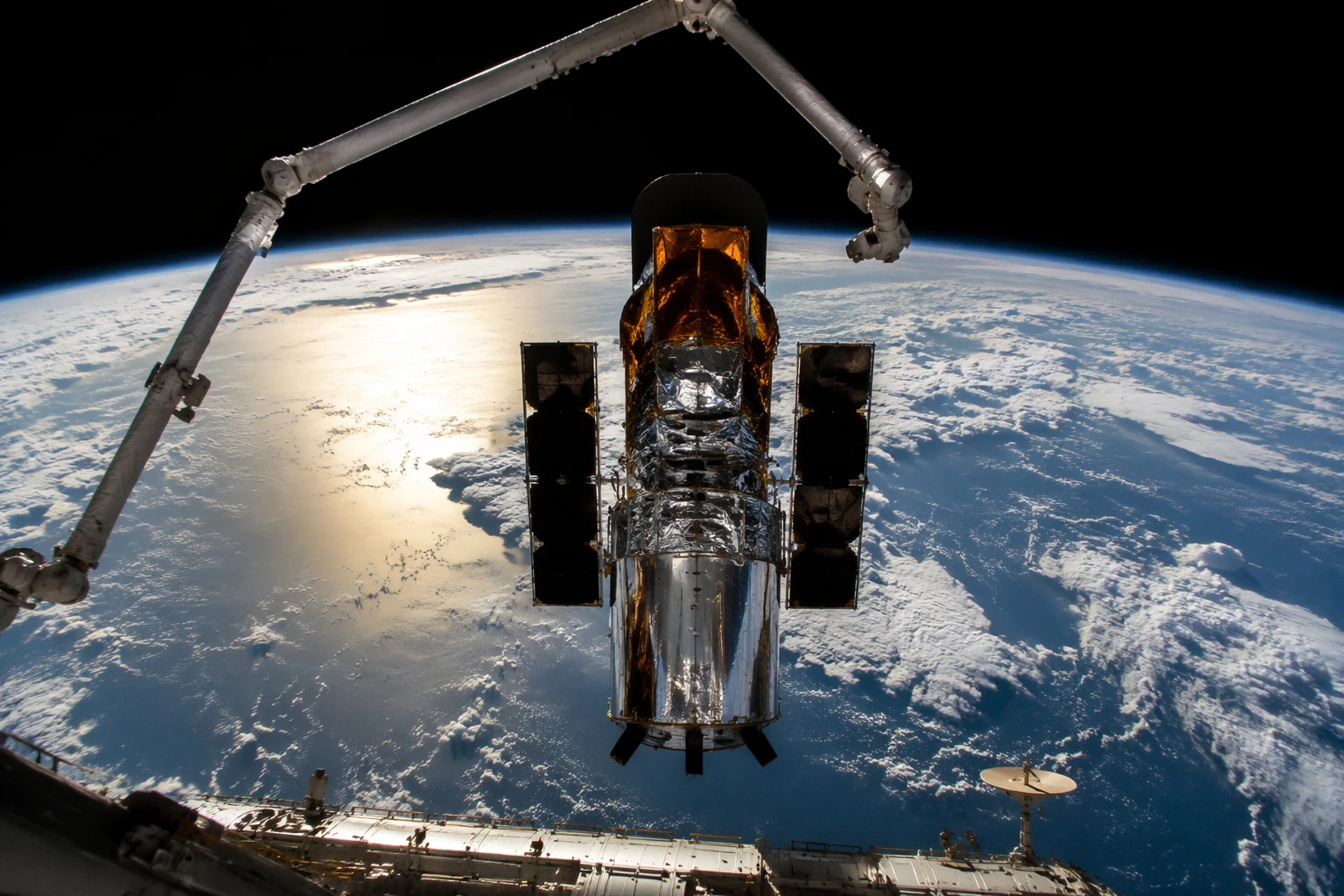
The stakes reach beyond one telescope. Swift is one of NASA’s aging observatories, and its loss would mean the possible end of a still-useful source of data that no ground-based facility can fully replicate. That is why the mission has drawn attention as more than a one-off salvage effort. It is a live demonstration of whether commercial partners are ready for high-risk rescue roles that once belonged to government spacecraft and astronauts.
NASA has been moving in that direction for years, but the policy case remains unsettled. The Government Accountability Office said in a July 2025 technology assessment that in-space servicing, assembly and manufacturing offers benefits, but still faces technical, economic and policy challenges. Those tradeoffs are visible here: a successful private rescue could help extend the life of expensive public observatories, while a failure would leave NASA with one more damaged asset and a harder question about how far to trust industry with mission-critical repairs.
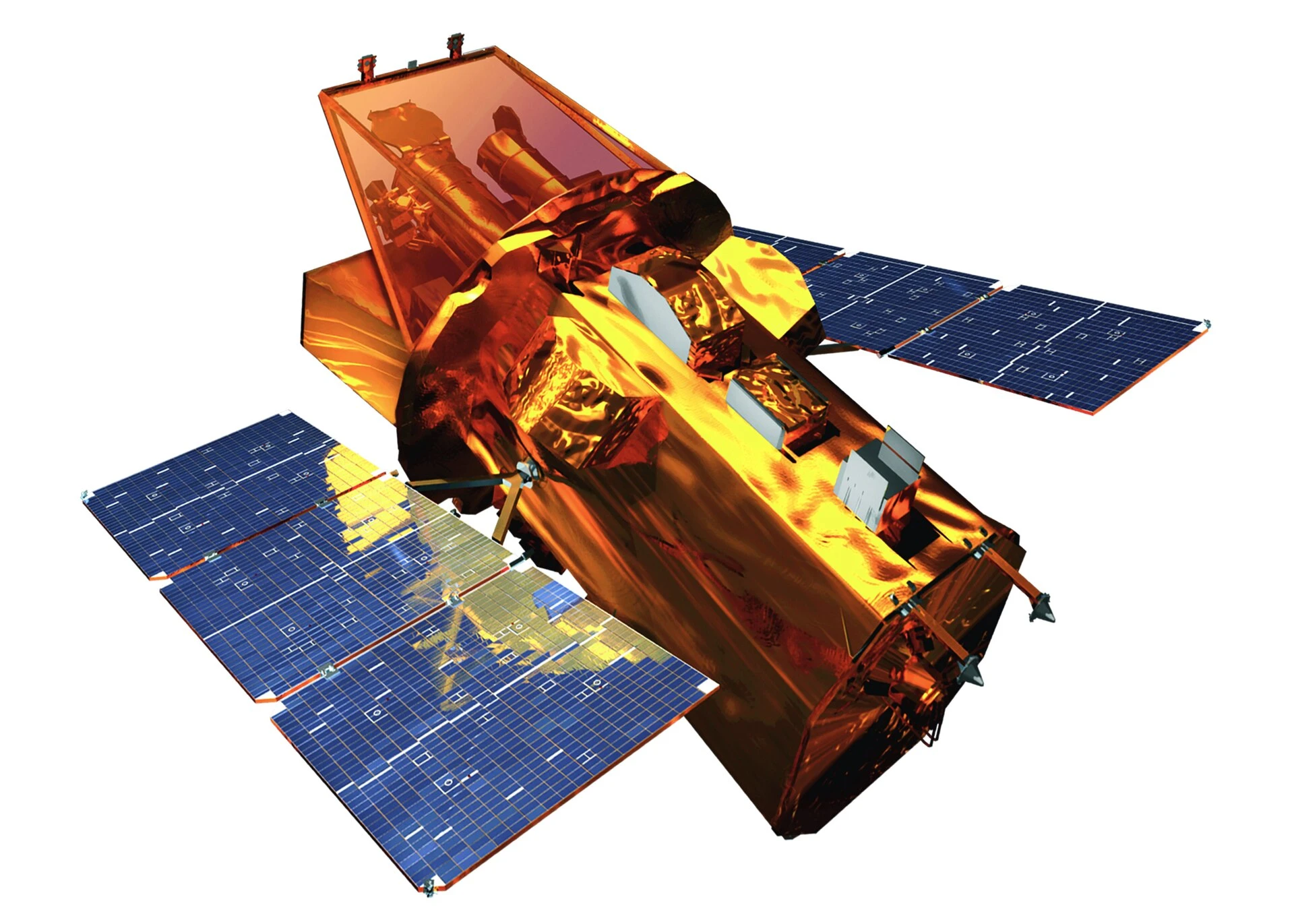
There is precedent for life-extension work, but not in this form. NASA extended the Hubble Space Telescope’s life with Servicing Mission 4 in 2009, using astronauts for a repair campaign that would be impossible to repeat the same way now. Swift’s rescue is meant to show whether a robotic commercial model can preserve a science asset before time and orbit run out.
Sources
- [1]apnews.com
- [2]wsls.com
- [3]abcnews.com
- [4]youtube.com
- [5]gao.gov
- [6]science.nasa.gov
- [7]nasa.gov
- [8]aljazeera.com